



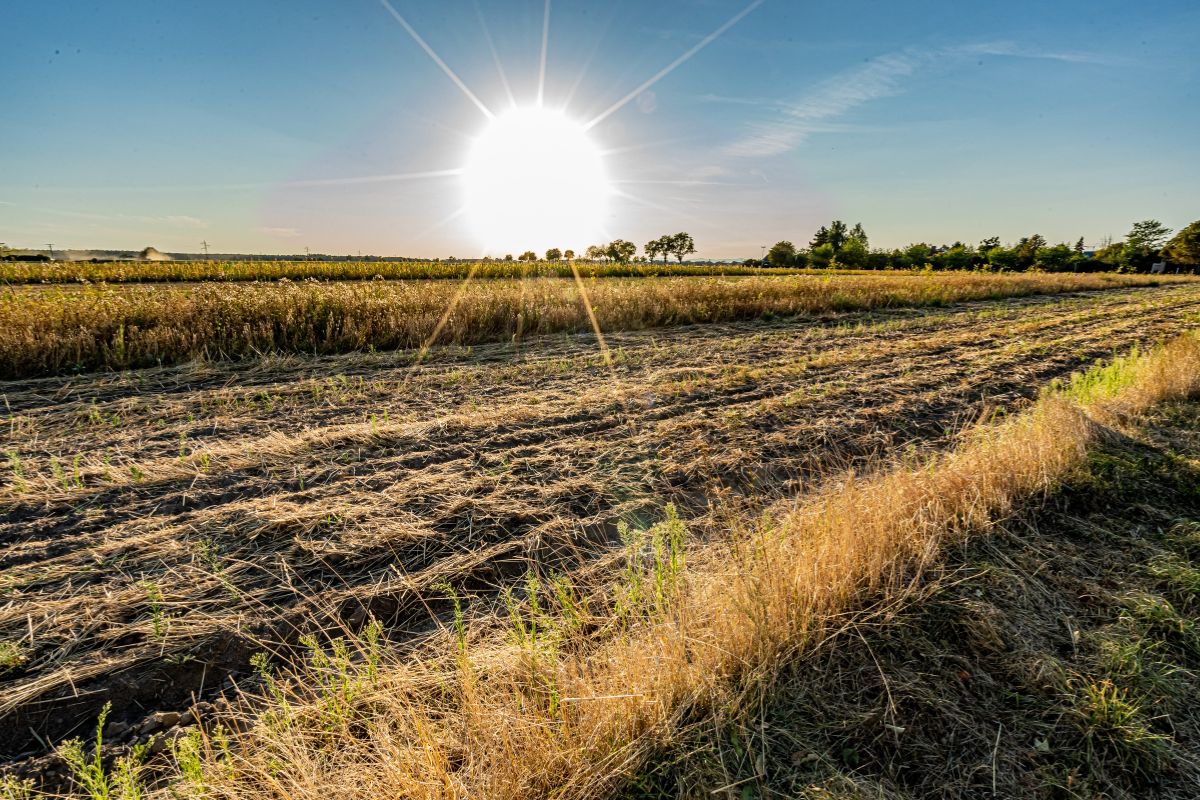
A severe heatwave that swept across Europe in June has caused an estimated €2 billion (around ₹20,000 crore) in crop losses, making it one of the continent’s costliest climate-related agricultural disasters in recent years. Farmers across France, Spain, Hungary, Italy and the United Kingdom reported heavy damage to maize, wheat and other crops after prolonged high temperatures and a lack of rainfall during critical stages of crop growth. The losses are expected to reduce grain production, increase Europe’s dependence on imports and put upward pressure on global food prices.
The heatwave arrived when many cereal crops were flowering and filling grain, stages when plants are highly sensitive to heat and water stress.
According to early assessments, around 9 million tonnes of agricultural production have been affected. France alone is estimated to have lost 3.4 million tonnes of maize, while wheat yields have also declined in several countries. Scientists say even a few days of extreme temperatures during these growth stages can sharply reduce yields.
Climate Change Is Increasing Agricultural Risks
Researchers say heatwaves are becoming more frequent and more intense because of climate change.
Unlike drought, which develops gradually, extreme heat can damage crops within days by reducing photosynthesis, accelerating plant ageing and increasing water demand. When high temperatures occur alongside low soil moisture, crop losses become even more severe.
Europe is a major producer and exporter of wheat, maize and several other agricultural commodities.
A smaller harvest means more grain may need to be imported, tightening global supplies. Analysts warn that lower production in Europe could contribute to higher international grain prices if adverse weather also affects other producing regions later this year.
What India Can Learn
India has experienced its own series of extreme weather events, including prolonged heatwaves, erratic monsoons and unseasonal rainfall. Experts say the European experience reinforces the need to prepare agriculture before climate shocks occur rather than responding after losses have happened.
For India, this means:
- Expanding climate-resilient crop varieties.
- Strengthening weather-based farm advisories.
- Improving irrigation efficiency and water storage.
- Promoting heat-tolerant crops in vulnerable regions.
- Investing in crop insurance and climate adaptation.
States such as Punjab, Haryana, Uttar Pradesh, Rajasthan, Madhya Pradesh and Maharashtra, where wheat, maize and other major crops are widely grown, could particularly benefit from these measures.
The damage in Europe shows that climate change is no longer a future risk—it is already reshaping agriculture across continents.
For India, the lesson is clear. As extreme weather becomes more common, protecting farm productivity will depend not only on better seeds and irrigation but also on faster climate adaptation, stronger early-warning systems and continued investment in resilient farming practices.
Also Read: Punarnava Jal – The world’s first organic fertilizer! Know how it is beneficial for farmers?
Contact us – If farmers want to share any valuable information or experiences related to farming, they can connect with us via phone or whatsapp at 9599273766 or you can write to us at “kisanofindia.mail@gmail.com”. Through Kisan of India, we will convey your message to the people, because we believe that if the farmers are advanced then the country is happy.
You can connect with Kisan of India on Facebook, Twitter, and Whatsapp and Subscribe to our YouTube channel.