


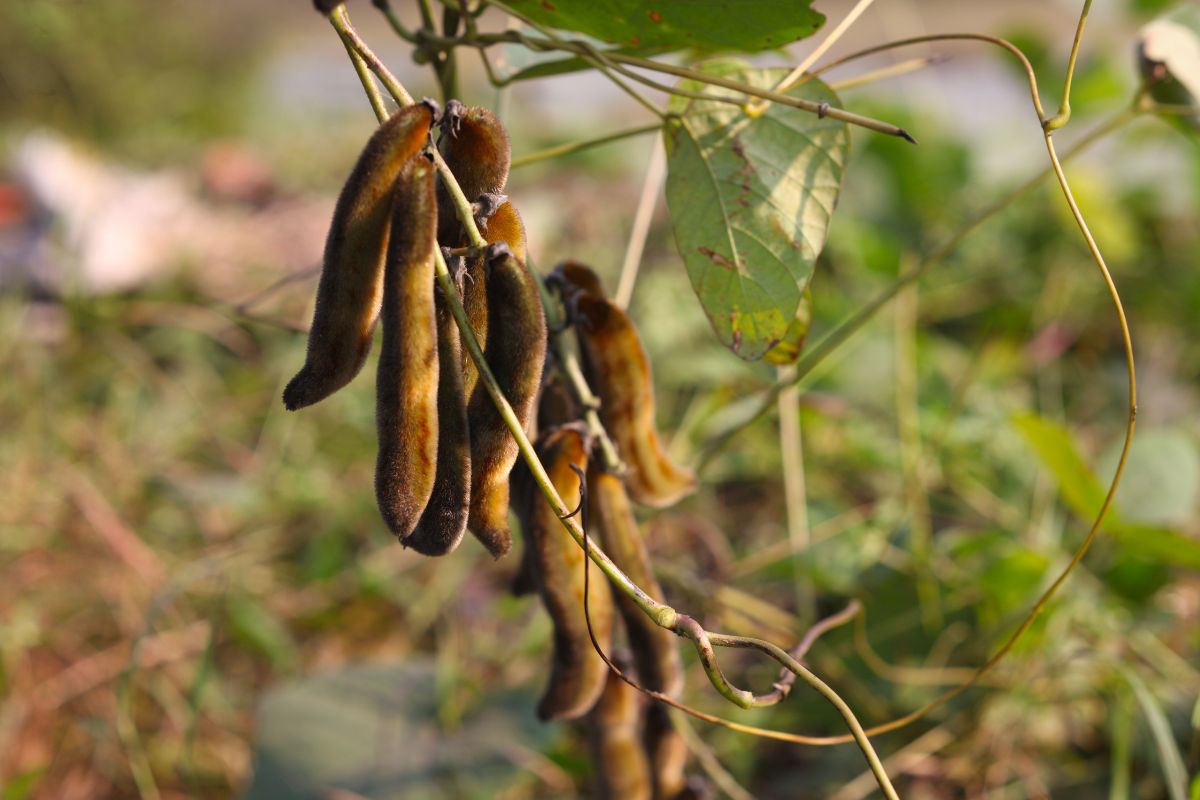
Moth bean is one of the main pulse crops grown in the hot, dry parts of western Rajasthan. It covers nearly 10 lakh hectares, but average productivity remains around 350 kg per hectare because rainfall is low, uncertain and unevenly distributed.
The crop faced another difficult test during Kharif 2026. Four varieties developed by ICAR-Central Arid Zone Research Institute, Jodhpur, continued growing during a 35-day dry spell between August 3 and September 7, when substantial rainfall was absent.
The four varieties are CAZRI Moth-4, CAZRI Moth-5, CAZRI Moth-6 and CAZRI Moth-7. ICAR developed them through long-term breeding work focused on stress resilience, adaptability and the ability to adjust growth according to available soil moisture.
The varieties were released during the past three years. Their performance during Kharif 2026 provided field-level evidence of their ability to maintain growth under moisture stress. ICAR says the plants remained green and showed good growth and pod development despite the prolonged rainless period.
The last significant rainfall event was 86 mm on August 3. After that, there was a 35-day period without substantial rainfall until September 7. Three or four scattered rainfall events occurred during this period, but each delivered less than 2.5 mm.
The crop had already established itself before the dry spell began. Early canopy development, soil binding and moisture retained around the roots helped the plants continue using water from deeper soil layers during the prolonged period without meaningful rainfall.
What happened to soil moisture?
Surface soil moisture at 0–10 centimetres was around 15–16% before the final significant rainfall. After the dry spell, it declined to roughly 5–6%. Moisture at 10–40 centimetres declined from around 23% to 16%, leaving some water available below the surface.
The difference between the two soil layers mattered. While the upper soil became much drier, the lower layer continued providing moisture to the crop. This helped the varieties maintain growth through flowering, pod formation and other reproductive stages when water stress can affect yields.
One important characteristic is developmental plasticity. The varieties begin flowering at about 30 days after sowing and can adjust their growth and maturity according to available moisture.
This characteristic can be useful in western Rajasthan, where rainfall varies greatly in amount and timing. A crop that can move towards reproduction quickly while using available moisture may have a better chance of completing its growth cycle under uncertain rainfall conditions.
Did the varieties need special management?
Yes. The varieties’ performance was supported by specific crop-management practices. Researchers used timely sowing with the arrival of the monsoon, 45 × 10 centimetre plant spacing and mechanical interculture around 20 days after sowing to conserve available soil moisture.
Weed management also formed part of the package. Mechanical operations were combined with manual spot weeding, while good canopy development helped the plants use available soil moisture. The results therefore reflect both genetic traits and field-management practices rather than variety alone.
The experimental fields had low fertility. Organic carbon ranged from 0.13% to 0.18%, while available nitrogen was 90–100 kg per hectare and phosphorus was 10–15 kg per hectare. Available potassium was higher, at around 250–260 kg per hectare.
The soil pH ranged between 7.9 and 8.1. These conditions reflect the challenges of arid farming, where farmers must manage limited rainfall along with soil constraints. The varieties were developed specifically for the harsh conditions found across western Rajasthan.
Yes. ICAR reported that the plants maintained green foliage, growth and profuse pod development at around 55 days after sowing despite the prolonged moisture deficit.
The timing is important because the dry period overlapped with flowering, pod formation and reproductive development. Water stress during these stages can affect crop establishment and yield, making the field performance of the varieties particularly relevant for rainfed farmers.
How widespread is moth bean farming?
Moth bean is cultivated across nearly 10 lakh hectares in western Rajasthan. The crop is suited to hot and dry conditions, but productivity remains low at around 350 kg per hectare.
Rainfall in the region can range from 150 to 250 mm and may arrive in short, uneven events separated by long dry periods. This makes moisture-stress tolerance important for maintaining production.
Seed multiplication is already underway. ICAR-CAZRI is producing seed across seven hectares at its research farm to meet a 2026 requirement of 23.32 quintals of breeder seed through the Saathi Portal.
The Rajasthan State Seeds Corporation, National Seeds Corporation and selected private companies are involved in multiplication. The goal is to produce enough certified seed for wider farmer access over the coming seasons.
How much certified seed can breeder seed produce?
ICAR estimates that one quintal of breeder seed can produce around 1,000–1,400 quintals of certified seed when properly multiplied and marketed. That quantity could support cultivation across roughly 10,000 hectares. ICAR says wider adoption of these varieties could potentially cover a substantial share of Rajasthan’s moth bean area, depending on seed multiplication and farmer uptake.
The field results suggest that variety choice alone is not enough. ICAR stressed timely sowing, suitable plant population, weed management and moisture-conservation practices as important factors in helping the varieties perform under water stress. Farmers considering the varieties should therefore follow the crop-management recommendations provided with certified seed. Local conditions, soil type, rainfall and sowing dates can affect performance even when the same variety is used.
The moth bean results show why crop breeding matters in areas where irrigation is limited and rainfall is uncertain. Developing varieties that can adjust their growth and use available soil moisture gives farmers another way to manage periods of water stress. The results also show the importance of combining improved varieties with field practices. Timely sowing, weed control, suitable spacing and moisture conservation can help crops make better use of limited water.
Are these varieties a guarantee against drought?
No. The 35-day dry spell provides evidence of field performance under the conditions recorded during Kharif 2026. It does not mean the varieties will produce the same results under every drought, soil type or rainfall pattern. Crop performance depends on several factors, including sowing time, soil moisture, fertility, weeds and rainfall distribution. Farmers should follow local recommendations and obtain certified seed through authorised sources.
The performance of CAZRI Moth-4, Moth-5, Moth-6 and Moth-7 during Kharif 2026 gives researchers and farmers a useful example of how crop breeding can address water stress. The varieties maintained growth and pod development through a 35-day dry period in western Rajasthan.
For farmers in dryland areas, the wider lesson is to combine suitable varieties with timely sowing, moisture conservation and weed management. The new moth bean varieties are being multiplied now, which could make them more accessible to farmers in future seasons.
Also Read: Punarnava Jal – The world’s first organic fertilizer! Know how it is beneficial for farmers?
Contact us – If farmers want to share any valuable information or experiences related to farming, they can connect with us via phone or whatsapp at 9599273766 or you can write to us at “kisanofindia.mail@gmail.com”. Through Kisan of India, we will convey your message to the people, because we believe that if the farmers are advanced then the country is happy.
You can connect with Kisan of India on Facebook, Twitter, and Whatsapp and Subscribe to our YouTube channel.