



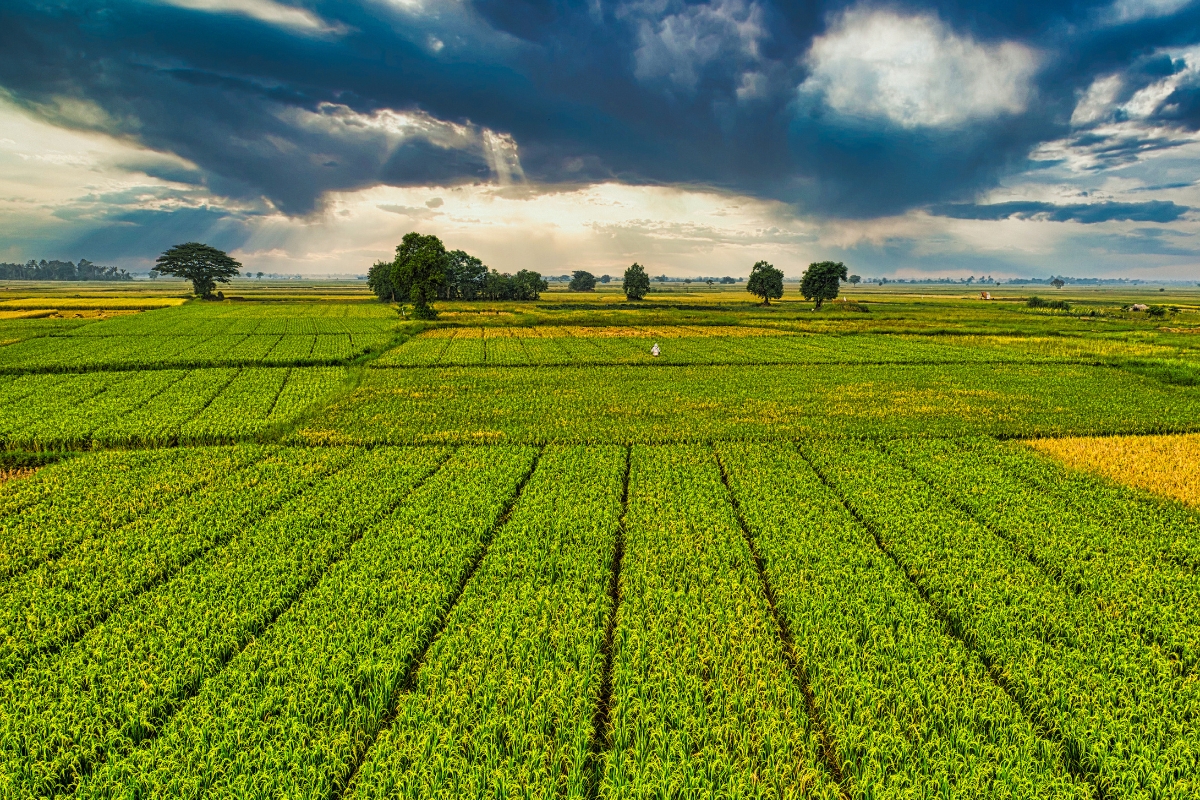
As climate change creates increasing uncertainty for farmers, interest is growing in crops that can produce reliable harvests under difficult conditions. One grain attracting attention from researchers and agricultural planners is fonio, an ancient cereal cultivated for centuries in West Africa.
Although fonio remains relatively unknown outside its traditional growing regions, its agricultural characteristics are generating international interest. The crop matures quickly, tolerates poor soils, and performs well in areas where rainfall is limited or unpredictable.
Researchers believe such traits could make fonio an important crop for future farming systems facing water scarcity and rising climate risks. The grain is increasingly being discussed as part of efforts to diversify agriculture and improve resilience in vulnerable regions.
One of fonio’s most valuable features is its rapid growth. Many varieties can reach maturity within a few months, allowing farmers to harvest grain before drought conditions become severe or before weather patterns shift unexpectedly.
Short-duration crops provide flexibility within farming systems. Farmers can fit them into diverse cropping schedules and respond more effectively to changing climatic conditions. Agricultural scientists often highlight early-maturing crops as important tools for managing weather-related risks.
Fonio’s ability to complete its life cycle quickly is one reason it continues to attract attention from researchers studying climate adaptation.
Performs Well in Poor Soils
Many farming regions face challenges related to declining soil fertility. Conventional crops often require substantial nutrient inputs to maintain productivity, increasing production costs for farmers.
Fonio is known for its ability to grow in relatively poor soils where other cereals may struggle. This adaptability makes it particularly valuable for smallholder farmers operating under resource constraints.
Researchers note that crops capable of producing harvests under difficult soil conditions can help maintain food production in areas where agricultural investment remains limited. Fonio demonstrates strong potential in this regard.
Its resilience allows farmers to make productive use of land that might otherwise generate low returns.
Beyond its agronomic advantages, fonio is attracting attention because of its nutritional qualities. The grain contains important nutrients and is increasingly being marketed as a healthy food option in domestic and international markets.
Food companies are developing products such as flour, breakfast cereals, snacks, and specialty foods based on fonio. Growing consumer interest is creating new market opportunities for farmers and processors.
Agricultural economists frequently emphasise that successful crop expansion depends on both production and demand. Fonio’s nutritional appeal is helping strengthen the market side of that equation.
Most fonio production remains in the hands of smallholder farmers who have cultivated the crop for generations. Their experience and knowledge have preserved the grain despite decades of limited commercial attention.
As interest grows, researchers are working with farming communities to improve cultivation practices, harvesting techniques, and processing systems. The goal is to increase productivity while preserving the crop’s resilience and cultural importance.
Many experts believe small farmers will remain central to the future development of the fonio sector because of their deep familiarity with the crop and its management requirements.
Climate Adaptation Increases Importance
Climate models suggest that many agricultural regions may face more frequent droughts and greater rainfall variability in the coming decades. These trends are encouraging researchers to identify crops capable of performing under challenging conditions.
Fonio fits many of the characteristics associated with climate-smart agriculture. Its drought tolerance, short growing season, and ability to grow in marginal environments make it an attractive candidate for future adaptation strategies.
The grain is not expected to replace major cereals, but it could become an important component of diversified farming systems designed to spread risk and improve resilience.
The growing interest in fonio reflects a broader shift occurring within global agriculture. Researchers are increasingly looking beyond mainstream crops and exploring traditional species that have survived difficult environmental conditions for centuries.
Fonio’s resilience, nutritional value, and adaptability make it one of the most promising examples of this trend. The grain demonstrates that some of the tools needed for future food security may already exist within traditional farming systems.
As climate challenges continue to reshape agriculture, ancient crops like fonio are gaining new relevance. What sustained communities for generations may help support farming systems in the decades ahead.
Also Read: Punarnava Jal – The world’s first organic fertilizer! Know how it is beneficial for farmers?
Contact us – If farmers want to share any valuable information or experiences related to farming, they can connect with us via phone or whatsapp at 9599273766 or you can write to us at “kisanofindia.mail@gmail.com”. Through Kisan of India, we will convey your message to the people, because we believe that if the farmers are advanced then the country is happy.
You can connect with Kisan of India on Facebook, Twitter, and Whatsapp and Subscribe to our YouTube channel.