



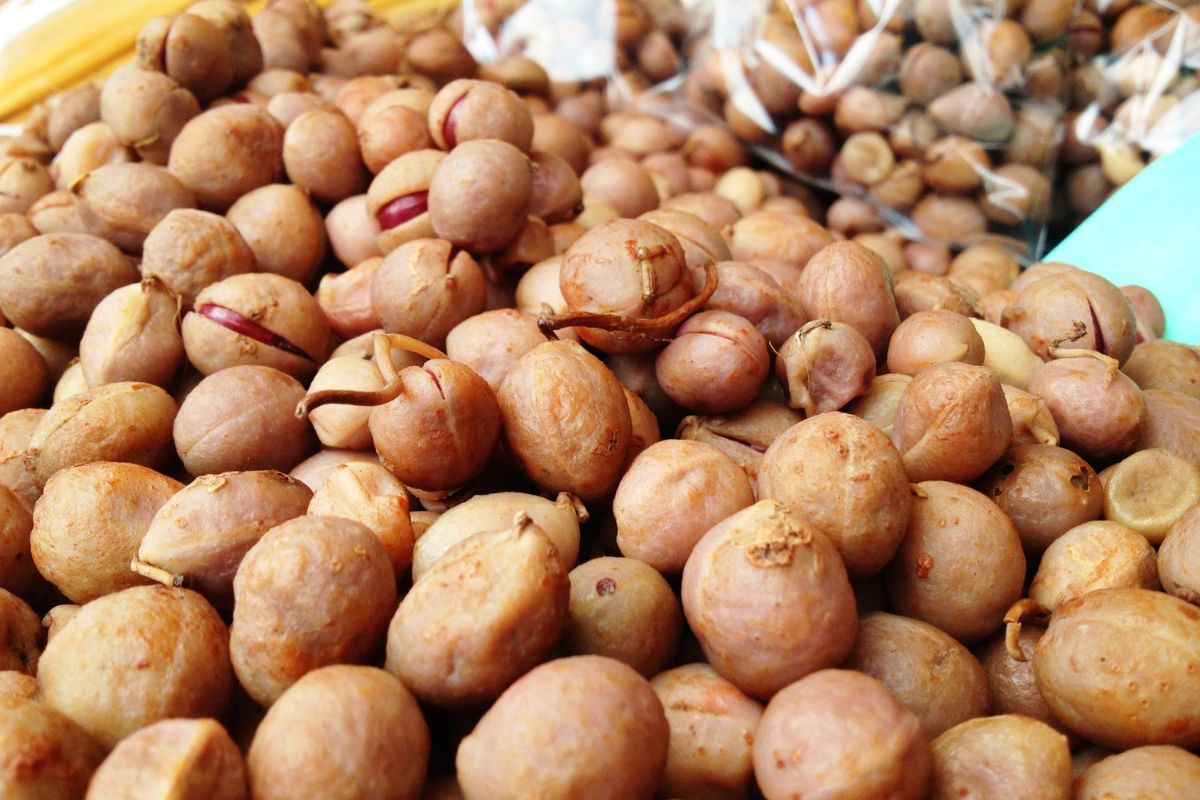
Groundnut is an important oilseed crop grown across India, but weeds can take a large share of its yield potential. ICAR’s 2026 assessment found groundnut had an average weed-related yield loss of 35.8% in earlier on-farm trials. Timely field management can help farmers protect pods and returns.
The crop suits several warm regions and is grown in kharif, rabi and summer seasons depending on location. ICAR lists varieties such as Girnar 4 and Girnar 5 for kharif cultivation in Rajasthan, Karnataka, Gujarat, Tamil Nadu and Andhra Pradesh. Farmers should choose varieties recommended for their state.
1. Choose the Right Variety and Seed
Before sowing, farmers should test the soil and plan nutrients according to the field’s requirement. ICAR recommends balanced nutrient management in groundnut, rather than applying fertilisers by guesswork. Good soil preparation also helps create a loose seedbed where pegs can enter the soil and develop pods properly.
Seed quality is the first step towards an even crop stand. Farmers should use certified or quality seed of a variety suited to their region and sow at the recommended time. ICAR advisories also recommend treating groundnut seed with suitable Rhizobium and phosphate-solubilising bacterial cultures before sowing.
2. Control Weeds Early
Weed competition is especially important in groundnut because the crop grows relatively slowly during its early stages. ICAR’s Directorate of Weed Research estimated average yield loss from weeds at 35.8% in groundnut in its earlier assessment. Farmers should plan weed control before weeds become difficult to manage.
The first few weeks after emergence deserve close field observation. Farmers should remove weeds through timely intercultivation or other locally recommended methods, while avoiding damage to young plants. The right method depends on soil, crop stage, labour availability and the weed species present in the field.
3. Use Herbicides Carefully
Herbicides can form part of an integrated weed-management plan, but farmers should select only products registered for groundnut and follow the label dose and application stage. Unchecked herbicide use can injure crops, leave residues or increase costs. Local agriculture officials can advise on suitable options.
ICAR’s 2026 assessment found average weed-related yield losses across major crops had fallen compared with an earlier assessment, reflecting better weed-management practices. The institute recommends integrated approaches that combine timely control, suitable herbicides, mechanical methods and cultural practices rather than relying on one method.
4. Manage Water at Key Stages
Groundnut needs careful attention to moisture, especially around flowering, pegging and pod development. Water stress at these stages can reduce pod formation and filling. Where irrigation is available, farmers should follow local recommendations and avoid prolonged waterlogging, because excess moisture can also damage roots and pods.
In rainfed areas, farmers should conserve available soil moisture through timely field operations and suitable soil-management practices. ICAR’s 2026 crop-diversification work in Odisha promoted groundnut among alternatives for areas facing uncertain rainfall, showing its potential in farming systems where water availability is limited.
5. Watch for Pests and Diseases
Farmers should regularly inspect plants for leaf spots, rust, sucking pests, caterpillars and other problems. Not every damaged leaf requires spraying. Early identification helps farmers choose a suitable response. Field sanitation, balanced nutrition and crop monitoring can reduce the need for repeated chemical applications.
Farmers should seek advice from a Krishi Vigyan Kendra or agriculture department before using pesticides when the pest or disease is difficult to identify. Correct diagnosis matters because unnecessary spraying increases production costs and can affect beneficial insects without solving the actual problem.
6. Match Groundnut With Local Farming Conditions
Crop diversification can make groundnut useful in rainfed farming systems. In Odisha, ICAR-CRIDA promoted groundnut alongside pigeonpea and maize during 2026 drought-mitigation work, giving farmers alternatives to continuous paddy. Such decisions should be based on rainfall, soil, market access and locally recommended crop varieties.
Groundnut can also fit different seasonal production systems where local conditions allow it. ICAR lists Girnar 4 and Girnar 5 for kharif cultivation in several states, while other varieties are recommended for different regions and seasons. Farmers should not copy a variety recommendation from another state without checking local guidance.
7. Harvest and Store Pods Properly
Harvesting should be based on crop maturity rather than a fixed calendar date. Farmers can check pod development, seed filling and other locally recommended maturity signs before lifting plants. Delayed harvesting can increase the risk of pod loss and deterioration, while early harvesting can reduce the weight and quality of produce.
After harvest, pods should be cleaned and dried properly before storage. Moisture can encourage mould and reduce seed quality. Farmers storing seed for the next season should select healthy, well-filled pods and keep them in clean, dry conditions. Separate storage also helps protect seed from contamination and pests.
Groundnut can offer farmers an important oilseed option when the crop is matched with local soil, rainfall, variety and market conditions. The 2026 ICAR research on weed losses shows why timely field management matters. Farmers should combine quality seed, balanced nutrition, weed control and careful moisture management for better results.
The biggest gains do not always come from adding more inputs. Farmers can protect returns by making decisions at the right crop stage, especially during early weed control, flowering, pegging, pod development and harvest. Local KVKs and agriculture departments can help farmers adapt recommendations to their soil and growing conditions.
Also Read: Punarnava Jal – The world’s first organic fertilizer! Know how it is beneficial for farmers?
Contact us – If farmers want to share any valuable information or experiences related to farming, they can connect with us via phone or whatsapp at 9599273766 or you can write to us at “kisanofindia.mail@gmail.com”. Through Kisan of India, we will convey your message to the people, because we believe that if the farmers are advanced then the country is happy.
You can connect with Kisan of India on Facebook, Twitter, and Whatsapp and Subscribe to our YouTube channel.