


Onion Farming: 7 Steps Farmers Can Follow for Better Bulb Quality and Higher Returns

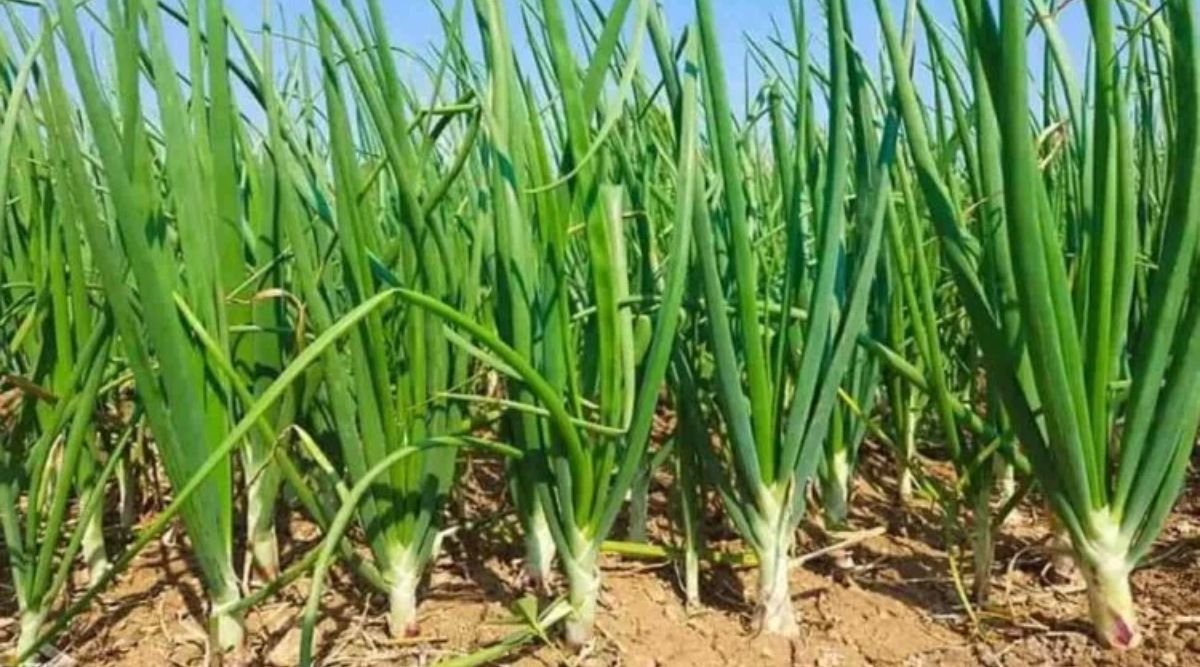
Onion farming can give farmers good returns, but the crop is sensitive to seed quality, weather, diseases, irrigation and storage. India grows onions in kharif, late kharif and rabi seasons. Rabi onions account for about 60% of production and require careful storage after harvest.
ICAR research shows that better varieties and improved crop management can raise productivity. In Rajasthan, farmers growing Pusa Riddhi under demonstrations recorded an average yield of 33.5 tonnes per hectare, compared with their earlier crops. The variety also showed good storage characteristics.
1. Choose a Variety Suited to Your Region
Farmers should select onion varieties according to their growing season, soil, climate and market requirements. A variety developed for one region may not perform similarly elsewhere. Farmers should check recommendations from their state agriculture department, agricultural university or nearest Krishi Vigyan Kendra before buying seed.
Pusa Riddhi is one example of a variety showing promise beyond its original recommended area. ICAR reports that it was released for Delhi and NCR but performed well in demonstrations in Rajasthan, producing an average yield of 32 tonnes per hectare under the reported trials.
2. Start With Good Quality Seed
Poor seed can result in uneven germination and non-uniform bulbs, making harvesting and marketing more difficult. Farmers should purchase seed from reliable sources and check the variety, lot information and recommended sowing season before planting. Seed should be stored in dry conditions before nursery preparation.
Farmers should also avoid selecting seed only because it is cheap. The cost of poor-quality seed can become much higher when gaps appear in the nursery or bulbs develop unevenly. A healthy nursery gives farmers a stronger starting point for obtaining a uniform crop.
3. Manage the Nursery Carefully
Onion seedlings spend their early growth in the nursery before being transplanted into the main field. The nursery bed should have suitable drainage, fine soil and access to irrigation. Farmers should avoid waterlogging because excessive moisture can weaken young seedlings and increase disease problems.
Seedlings should be transplanted when they have reached the locally recommended stage. Over-aged seedlings can establish poorly, while very young seedlings may be more vulnerable after transplanting. Farmers should also handle roots carefully during transplanting to reduce unnecessary damage.
4. Keep Irrigation Balanced
Onions have shallow roots, so the crop needs careful moisture management. Farmers should provide irrigation according to soil type, weather and crop stage instead of following a fixed schedule throughout the season. Both prolonged dryness and excessive watering can affect bulb development and crop health.
Water management becomes particularly important as bulbs develop. Farmers should avoid standing water in the field and maintain drainage after heavy rainfall. In areas using irrigation systems, farmers should monitor soil moisture and adjust watering according to local recommendations rather than applying more water than the crop needs.
5. Watch for Diseases Early
Onion crops can be affected by diseases such as purple blotch and other fungal problems. Farmers should regularly inspect leaves for spots, discolouration and drying. Early identification allows farmers to seek the correct recommendation before disease spreads across a large part of the field.
Variety choice can also reduce some production risks. ICAR reports that the Arka Kalyan onion variety performed better than local varieties in drought years in Chitradurga and showed resistance to purple blotch. Farmers should still follow locally recommended disease-management practices.
6. Manage the Crop Before Harvest
Farmers should monitor the crop as bulbs approach maturity and avoid unnecessary irrigation close to harvest. The exact timing should follow local recommendations and crop condition. Harvesting too early can reduce bulb size, while leaving mature bulbs in unsuitable field conditions can increase losses.
Uniform crop growth makes harvesting easier and can improve the quality of the marketed produce. Farmers should separate damaged, diseased or immature bulbs instead of mixing them with healthy onions. Sorting at the farm level can reduce quality problems during transport and storage.
7. Focus on Storage After Harvest
Producing a good onion crop is only part of the job. Rabi onions are harvested in large quantities and can create a market glut, making storage important for maintaining supply beyond the harvest period. Farmers should dry and cure bulbs properly before placing them in storage.
Storage structures should provide adequate ventilation and protection from moisture. Farmers should inspect stored onions regularly and remove rotten or damaged bulbs. Proper curing, sorting and ventilation can reduce avoidable losses and help farmers maintain marketable quality when they decide to sell.
Better Management Can Improve Onion Returns
Onion prices can change sharply, so farmers cannot control the market. They can, though, reduce production and post-harvest losses through better seed, suitable varieties, careful nursery management, balanced irrigation and disease monitoring.
ICAR’s demonstrations of Pusa Riddhi show the potential of combining improved planting material with better cultivation practices. Farmers should treat reported demonstration yields as local results, not guaranteed returns, and select varieties based on their own growing conditions.
Before starting a new onion variety or changing cultivation practices, farmers should contact their nearest KVK or state horticulture department. Local experts can provide recommendations on sowing dates, varieties, nursery management, fertiliser use, irrigation, disease control and storage.
Farmers can also compare the expected production cost with local market conditions before expanding onion acreage. Good yields alone do not guarantee higher income. Variety suitability, input costs, storage capacity, market timing and quality all influence the final return.
Onion farming requires attention from seed selection to storage. Farmers can improve their chances of a good crop by using quality seed, choosing suitable varieties, maintaining a healthy nursery, managing water carefully and checking plants regularly for disease. Proper curing and storage can further protect the value of harvested bulbs.
ICAR’s recent demonstrations show how improved varieties and better crop practices can raise onion productivity under suitable conditions. Farmers should adapt these recommendations to their region and seek local technical advice before making major changes to their cultivation system.
Also Read: Punarnava Jal – The world’s first organic fertilizer! Know how it is beneficial for farmers?
Contact us – If farmers want to share any valuable information or experiences related to farming, they can connect with us via phone or whatsapp at 9599273766 or you can write to us at “kisanofindia.mail@gmail.com”. Through Kisan of India, we will convey your message to the people, because we believe that if the farmers are advanced then the country is happy.
You can connect with Kisan of India on Facebook, Twitter, and Whatsapp and Subscribe to our YouTube channel.