

Dashparni Ark in Natural Farming: 7 Ways Farmers Can Use Botanical Extracts for Pest Management

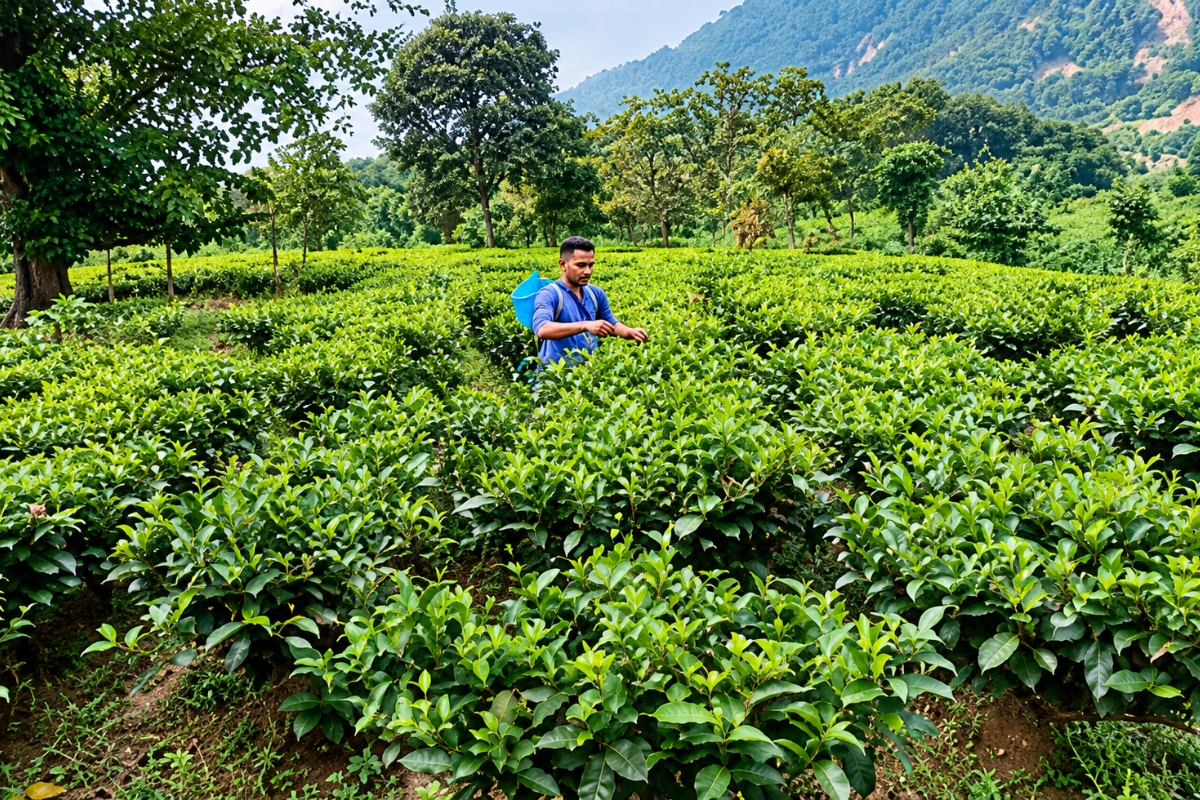
Farmers looking for alternatives to routine pesticide spraying can use plant-based preparations as part of natural farming. Dashparni Ark is one such indigenous pest-management preparation. ICAR highlighted Dashparni Ark and botanical extracts during its 2026 farmer outreach on natural farming and soil health.
Natural farming does not mean farmers should spray every plant-based preparation without checking the crop, pest or dose. The National Mission on Natural Farming promotes locally adapted practices and on-farm inputs. Farmers should observe their fields first and use botanical preparations as part of a wider pest-management plan.
1. Understand What Botanical Extracts Do
Botanical extracts are preparations made from plants that contain compounds which may discourage, repel or affect certain pests. Their action can differ according to the plants used, pest species and concentration. Farmers should therefore avoid treating every botanical preparation as a universal replacement for crop-protection products.
ICAR’s recent natural-farming outreach has encouraged farmers to learn about indigenous pest-management practices, including Dashparni Ark and other botanical extracts. The purpose is to help farmers reduce dependence on purchased inputs while using resources available around the farm where suitable.
2. Identify the Pest Before Spraying
Farmers should first inspect leaves, stems, flowers and fruits to identify the problem. Holes in leaves may be caused by caterpillars, while curling or sticky leaves may indicate sucking pests. Disease symptoms can look similar to pest damage, so spraying the wrong preparation may waste time and money.
Field observation is an important part of natural farming. Farmers can check several plants across the field instead of judging the crop from one damaged plant. If the problem is unclear, they should consult a Krishi Vigyan Kendra, agriculture officer or trained extension worker before preparing and applying an extract.
3. Use Suitable Plant Materials
Dashparni Ark is associated with the use of several locally available plants in natural farming. The exact preparation can vary with local practice, so farmers should follow a method taught by a trained natural-farming resource person rather than copying an unverified recipe from social media.
ICAR’s Natural Farming programme stresses local agroecology and farmer-led learning. Its 2026 outreach programmes have trained farmers in preparing and using natural farming inputs while encouraging them to understand soil, crops and local farming conditions.
4. Prepare Only What You Can Use
Botanical preparations should be made in clean containers using suitable plant material and water. Farmers should maintain records of the ingredients, preparation date and quantity produced. This makes it easier to compare results between applications and identify problems if a preparation does not perform as expected.
Farmers should also avoid storing homemade preparations for long periods without knowing how their properties change. The preparation should be kept according to guidance from the local trainer or agricultural expert. If the mixture develops an unusual smell, mould or other signs of spoilage, farmers should seek advice before using it.
5. Test on a Small Area First
Before spraying an entire field, farmers can test a preparation on a small section containing the same crop and pest problem. They should observe the plants for signs of leaf injury, flower damage or other unwanted effects before expanding its use.
Small-area testing is especially useful when farmers prepare a botanical extract themselves because concentration can vary. The response can also differ between crops and varieties. Farmers should record the result and avoid increasing the concentration simply because the first application appears weak.
6. Combine Botanical Extracts With Field Monitoring
Natural pest management works better when farmers monitor crops regularly instead of waiting for severe damage. Removing heavily infested plant parts, maintaining crop diversity and encouraging beneficial insects can support pest management alongside botanical preparations.
ICAR’s natural-farming guidance places emphasis on biodiversity, on-farm inputs and ecological processes. Its farmer programmes also discuss integrated nutrient and pest management rather than treating one preparation as the only solution. This approach can help farmers respond to pest problems before they become widespread.
7. Keep Safety and Crop Stage in Mind
Plant-based does not automatically mean harmless. Concentrated extracts can affect plants, insects and people if handled carelessly. Farmers should use gloves and other basic protection during preparation and spraying, keep children away from the preparation area and avoid spraying during strong winds.
Farmers should also consider the crop stage and flowering period before spraying any pest-management preparation. Protecting bees and other beneficial insects matters, particularly when crops are flowering. If a commercial botanical product is used instead, farmers should follow its label directions and registered-use instructions.
Do Not Stop Monitoring After Spraying
A botanical spray should not be judged only by whether insects disappear immediately. Farmers should inspect treated plants after application and compare pest numbers with untreated areas where practical. They can also check whether new damage is appearing and whether beneficial insects remain active.
Keeping simple records can improve future decisions. Farmers can note the crop, pest, preparation used, date, weather conditions and observed result. Over several seasons, these records can show which practices work under local conditions and which ones need technical advice or modification.
The National Mission on Natural Farming is built around local agroecology, on-farm inputs, farmer learning and reduced dependence on external inputs. MANAGE also notes that natural farming practices can differ according to local climate, soil conditions and crops. Farmers should therefore adapt practices rather than follow one formula everywhere.
ICAR has been training farmers and grassroots workers in natural farming during 2026. A five-day programme at KVK Dakshin Dinajpur, for example, trained Krishi Sakhis and community resource persons to support natural-farming practices at the field level. Farmers can approach KVKs for locally relevant guidance.
Dashparni Ark and other botanical extracts can form one part of a natural-farming pest-management approach. Farmers should identify the pest, prepare inputs carefully, test them on a small area and monitor results instead of spraying routinely. Field sanitation, crop diversity and regular observation should remain part of the overall plan.
The aim should be to reduce unnecessary external inputs while protecting crops and farm income. Farmers interested in using Dashparni Ark should learn the preparation method from a trained local resource person or KVK and adapt it to their crop and pest conditions rather than relying on unverified recipes.
Also Read: Punarnava Jal – The world’s first organic fertilizer! Know how it is beneficial for farmers?
Contact us – If farmers want to share any valuable information or experiences related to farming, they can connect with us via phone or whatsapp at 9599273766 or you can write to us at “kisanofindia.mail@gmail.com”. Through Kisan of India, we will convey your message to the people, because we believe that if the farmers are advanced then the country is happy.
You can connect with Kisan of India on Facebook, Twitter, and Whatsapp and Subscribe to our YouTube channel.