


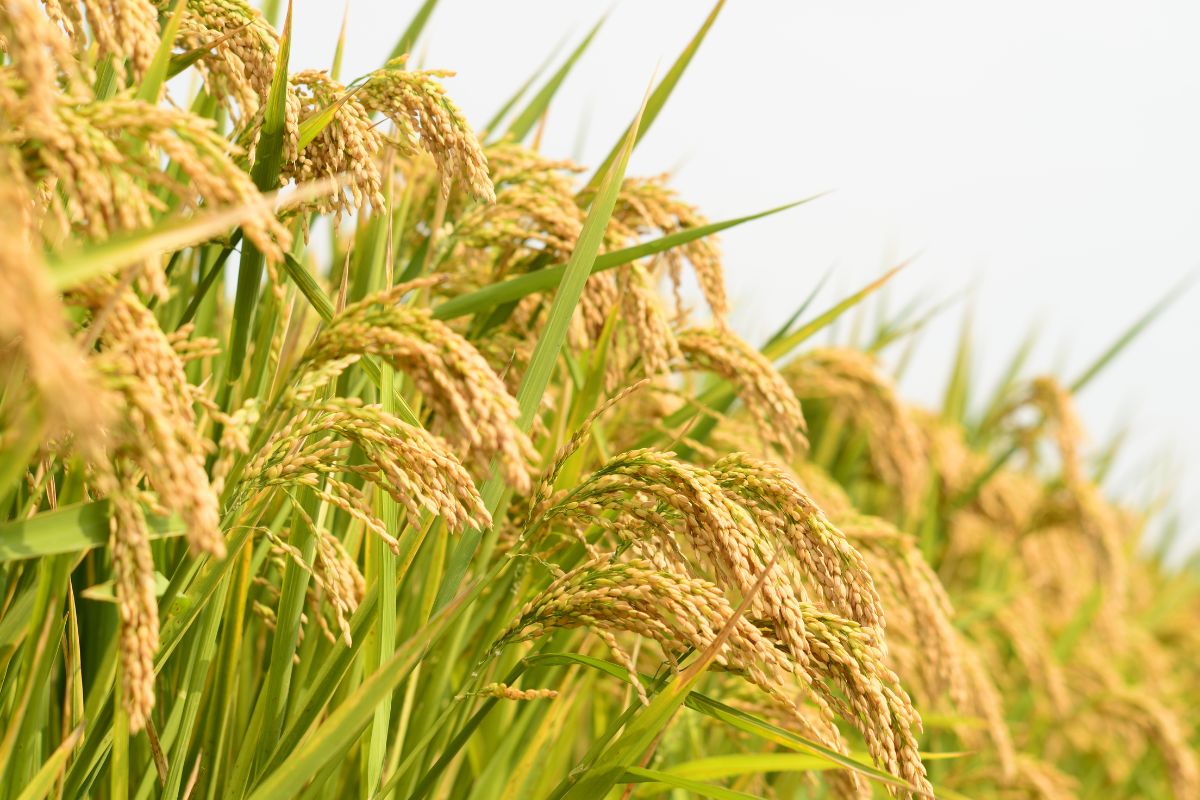
India has entered a new phase in crop breeding with the release of its first genome-edited rice varieties. Developed by the Indian Council of Agricultural Research (ICAR), the new varieties were created using genome-editing technology to improve yield, water-use efficiency and climate resilience without introducing genes from other species.
Scientists say genome editing is more precise than conventional breeding and can accelerate the development of improved crop varieties to meet future food demand.
ICAR has released DRR Dhan 100 (Kamala) and Pusa DST Rice 1, developed using genome-editing technology.
Researchers edited specific genes responsible for plant growth and grain production while preserving the desirable qualities of the parent varieties. The new rice lines offer better productivity and improved tolerance to environmental stress.
The varieties were developed using SDN-1 genome-editing technology, which does not involve inserting foreign DNA into the plant.
Higher Yield With Better Resource Use
Field evaluations showed that the genome-edited rice varieties can deliver 8–20% higher yields than their original parent varieties under suitable growing conditions.
Scientists also report improvements in plant architecture, making the crop more efficient in using sunlight, nutrients and water. These improvements could help farmers increase production without expanding cultivated land.
Researchers believe genome editing will become an important tool for developing crops adapted to climate change.
Developing a new crop variety through conventional breeding can take many years.
Genome editing allows scientists to make precise genetic changes much faster by modifying the plant’s own genes. This shortens breeding time and enables researchers to respond more quickly to emerging challenges such as drought, heat stress and new crop diseases.
Many countries are now investing heavily in genome-edited crops as part of their food security strategies.
The successful release of genome-edited rice demonstrates that advanced breeding technologies are moving from research laboratories to farmers’ fields.
The same approach could be used to develop improved varieties of wheat, pulses, oilseeds, maize and millets, helping farmers produce more while using fewer natural resources.
Agricultural universities, ICAR institutes and state seed agencies can play an important role in evaluating and distributing future genome-edited crops suited to local growing conditions.
The Future of Crop Breeding
Genome editing is changing how scientists improve crops.
Instead of waiting through multiple breeding cycles, researchers can now develop varieties with higher productivity, better climate resilience and improved resource efficiency in much less time. As more genome-edited crops become available, they could help strengthen India’s food security while supporting sustainable agriculture.
Also Read: Punarnava Jal – The world’s first organic fertilizer! Know how it is beneficial for farmers?
Contact us – If farmers want to share any valuable information or experiences related to farming, they can connect with us via phone or whatsapp at 9599273766 or you can write to us at “kisanofindia.mail@gmail.com”. Through Kisan of India, we will convey your message to the people, because we believe that if the farmers are advanced then the country is happy.
You can connect with Kisan of India on Facebook, Twitter, and Whatsapp and Subscribe to our YouTube channel.