


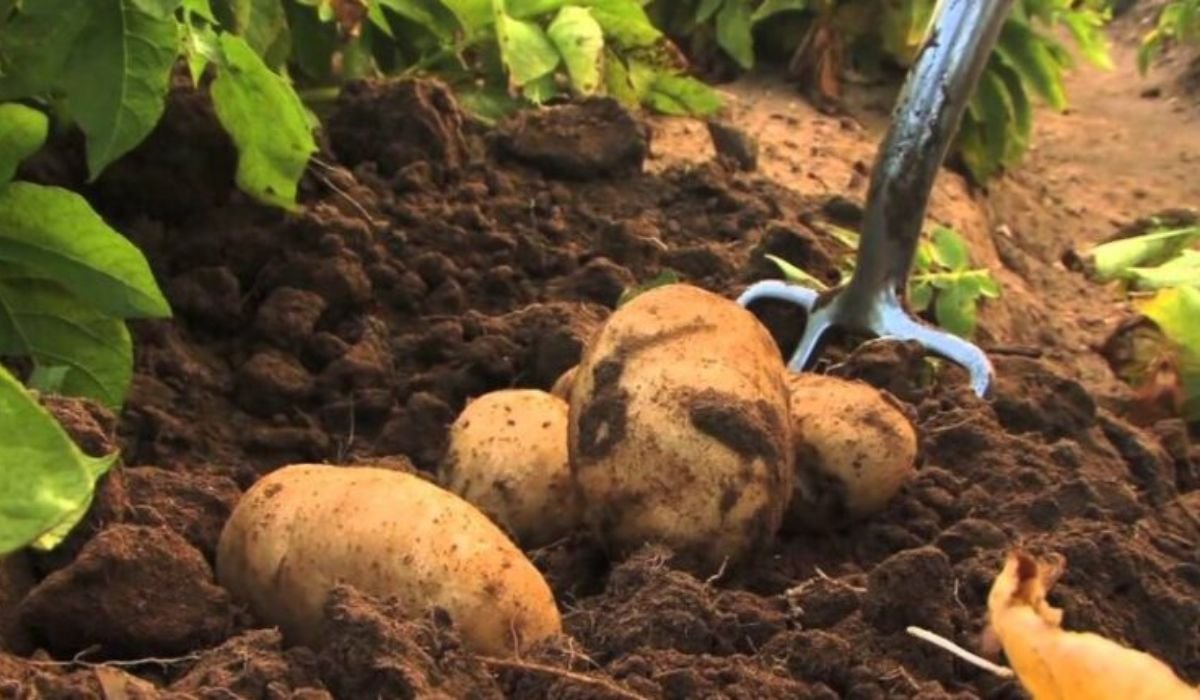
Indian potato farmers now have two more varieties to consider. The government notified Kufri Abhedya and Kufri Ruby in July 2026. Both were developed by ICAR-Central Potato Research Institute, Shimla, and the notification allows quality seed production, certification and sale in their recommended regions.
The new varieties are part of efforts to develop potato crops that can handle changing production conditions and disease pressure. ICAR-CPRI has worked on improved potato cultivars for productivity, disease management and market needs, giving farmers more choices when selecting planting material for different growing conditions.
For potato growers, variety selection is an important decision because yield depends on seed quality, soil, temperature, irrigation, disease pressure and crop management. Farmers should not select a new variety only because it is newly released. They should first check whether it is recommended for their region and season.
Why Quality Seed Matters
The July notification is important because it enables production, certification and sale of quality seed for Kufri Abhedya and Kufri Ruby in their recommended areas. Certified planting material can help farmers avoid problems associated with poor-quality or unsuitable seed, which can affect crop establishment and final yield.
Potato is mainly propagated through tubers rather than botanical seed. This makes seed-tuber health especially important. Farmers should obtain planting material from reliable sources and check its quality before planting. Diseased or damaged tubers can introduce problems into the field and reduce plant growth.
Farmers should also remember that improved varieties cannot replace good crop management. Proper land preparation, planting time, irrigation, nutrient management and disease monitoring remain necessary. The performance of a variety can vary when farmers move it from the recommended production zone to a different soil or climate.
What Makes The New Varieties Relevant?
ICAR-CPRI has described the two varieties as part of efforts to develop climate-resilient, disease-resistant and market-oriented potato cultivars. Such traits are becoming important as farmers face changing temperatures, disease pressure and variations in growing conditions.
Kufri Abhedya and Kufri Ruby should therefore be viewed as additions to the available potato variety basket rather than universal replacements for existing varieties. Farmers need information about recommended areas, crop duration, expected yield, disease response and market suitability before deciding whether either variety fits their farm.
Farmers can get this information from Krishi Vigyan Kendras, state agriculture departments and ICAR-CPRI. Local agricultural experts can also help compare a new variety with varieties already grown in the area. This is especially useful for farmers who want to test a new variety for the first time.
Farmers Should Check Market Demand
Market requirements should also influence variety selection. Potatoes are sold through different channels, including fresh markets, traders and processing industries. The preferred tuber size, shape, skin characteristics and cooking or processing qualities can differ between buyers, so farmers should understand their local market before planting.
Farmers planning to adopt a new variety can begin with a small area rather than changing the entire farm at once. Comparing plant growth, disease incidence, yield and selling price with an existing variety can provide useful information before expanding cultivation in the following season.
The government has also highlighted the wider role of improved crop varieties in Indian agriculture. In August 2026, PIB reported that BARC had developed 72 improved varieties across different crops through radiation-induced mutation and cross-breeding, including varieties with drought, heat and salinity tolerance.
Variety Selection Is Becoming More Important
Climate conditions are making crop selection more important for farmers. Potato is sensitive to temperature, particularly during tuber formation. Farmers therefore need varieties and production practices suited to their local conditions. Choosing planting material based on local recommendations can help reduce avoidable production risks.
The arrival of Kufri Abhedya and Kufri Ruby gives potato growers additional choices, but adoption should remain evidence-based. Farmers should check official recommendations, seed availability, crop requirements and local market demand before investing in large quantities of planting material.
For farmers interested in these varieties, the next step is to contact the nearest KVK or agriculture department and ask whether Kufri Abhedya or Kufri Ruby is recommended for their area. They should also ask where certified seed is available and what planting and disease-management practices are advised locally.
The two varieties show how potato research is responding to changing needs in Indian farming. For growers, the key is not simply finding a new variety but matching the right variety with local climate, soil, seed quality, farm management and market demand.
Also Read: Punarnava Jal – The world’s first organic fertilizer! Know how it is beneficial for farmers?
Contact us – If farmers want to share any valuable information or experiences related to farming, they can connect with us via phone or whatsapp at 9599273766 or you can write to us at “kisanofindia.mail@gmail.com”. Through Kisan of India, we will convey your message to the people, because we believe that if the farmers are advanced then the country is happy.
You can connect with Kisan of India on Facebook, Twitter, and Whatsapp and Subscribe to our YouTube channel.