



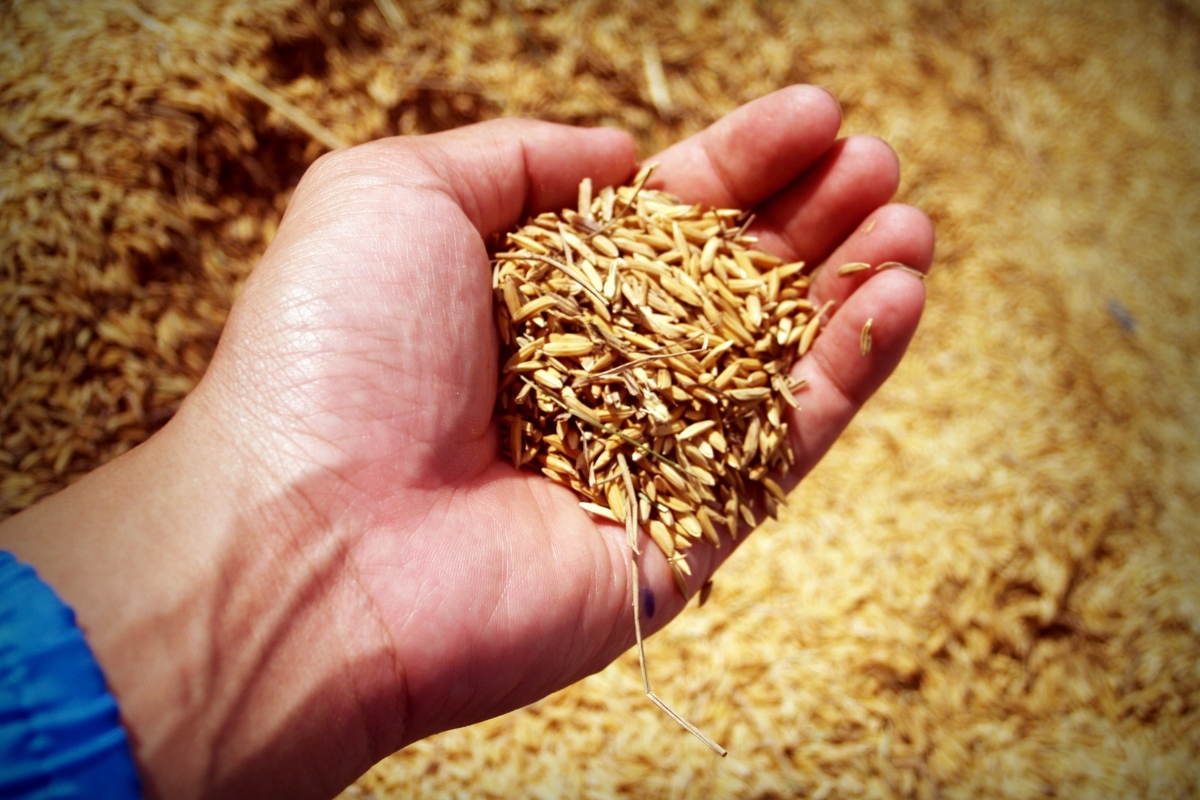
Basmati rice farmers may soon have access to a new variety that combines premium grain quality with improved productivity. Scientists at Punjab Agricultural University (PAU), Ludhiana, have developed a new basmati rice variety that delivers higher yields while offering better resistance to major crop diseases. The variety has been developed to help farmers improve production without compromising the quality that makes basmati rice popular in domestic and export markets.
Researchers say the new variety is the result of several years of breeding and field evaluation under Punjab’s agro-climatic conditions. It is expected to support both farmers and exporters by improving productivity while maintaining the cooking and grain characteristics associated with basmati rice.
Basmati farmers often face a trade-off between yield and grain quality. High-yielding varieties may not always meet export standards, while premium-quality varieties sometimes produce lower yields.
The newly developed variety aims to overcome this challenge by combining good grain quality with improved productivity. Scientists say it produces long, slender grains with desirable cooking characteristics while giving farmers better returns through increased production.
Maintaining grain quality remains essential because India’s basmati exports depend heavily on consumer preferences in international markets.
Improved Resistance to Diseases
Crop diseases are among the major reasons for yield losses in paddy cultivation.
The new variety has shown better tolerance to important diseases affecting basmati rice, reducing the risk of crop damage during the growing season. Improved disease resistance can also reduce the number of pesticide applications, lowering cultivation costs and supporting more sustainable farming practices.
Researchers emphasise that farmers should continue following recommended crop management practices to achieve the full potential of the variety.
Punjab remains one of India’s leading basmati-producing states. Better-performing varieties can help farmers increase production while maintaining the premium quality demanded by buyers.
Higher yields improve farm income, while disease resistance reduces production risks. Exporters also benefit because consistent grain quality strengthens India’s reputation in international markets.
Agricultural experts believe improved varieties are essential for maintaining India’s leadership in the global basmati trade as competition from other countries continues to grow.
Strengthening India’s Basmati Sector
Developing improved crop varieties remains one of the most effective ways to increase agricultural productivity. Scientists say combining higher yields with better disease resistance and premium grain quality will help farmers respond to changing climatic conditions while remaining competitive in export markets.
The new basmati variety reflects the continuing efforts of agricultural researchers to provide practical solutions for farmers. As improved seeds become available for commercial cultivation, they are expected to contribute to higher productivity, better profitability and sustained growth in India’s basmati rice sector.
Also Read: Punarnava Jal – The world’s first organic fertilizer! Know how it is beneficial for farmers?
Contact us – If farmers want to share any valuable information or experiences related to farming, they can connect with us via phone or whatsapp at 9599273766 or you can write to us at “kisanofindia.mail@gmail.com”. Through Kisan of India, we will convey your message to the people, because we believe that if the farmers are advanced then the country is happy.
You can connect with Kisan of India on Facebook, Twitter, and Whatsapp and Subscribe to our YouTube channel.