



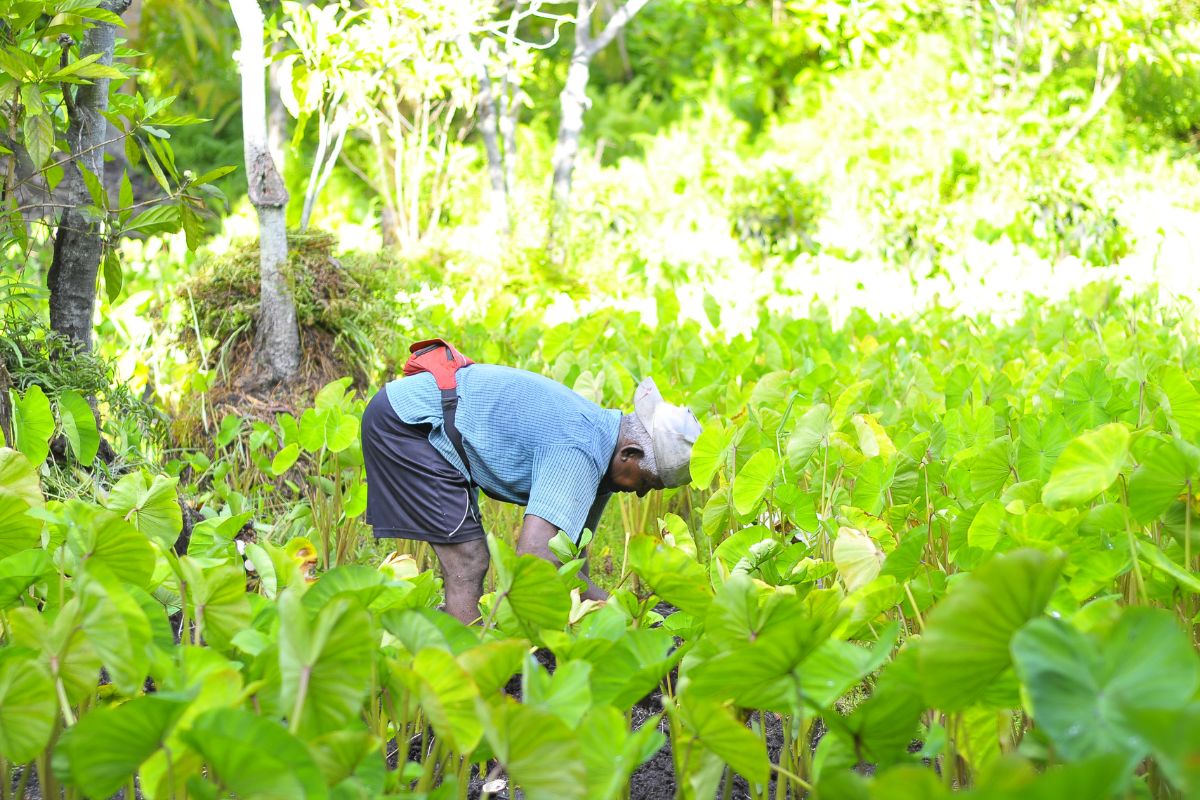
As farmers search for crops that can perform well under changing weather conditions and fluctuating market prices, taro is beginning to attract greater attention. Known as colocasia in India, the crop has been cultivated traditionally in several states for generations. Yet it has often remained overshadowed by major cereals and commercial crops.
This situation is gradually changing. Rising demand from urban markets, food processors, and export buyers is creating new opportunities for growers. Taro’s ability to grow in moist conditions, combined with its versatility as a food crop, is encouraging more farmers to consider it as part of diversified farming systems.
Researchers believe the crop has significant potential because it can provide reliable yields while requiring fewer resources than many high-input agricultural commodities.
For many years, taro consumption remained concentrated within regions where the crop formed part of traditional diets. Today, demand is spreading to new markets as consumers seek greater dietary diversity and food companies explore alternative ingredients for processed products.
Restaurants, food manufacturers, and retail chains are increasingly purchasing taro for chips, flour, snacks, frozen foods, and specialty dishes. This growing demand is creating opportunities for farmers who can supply consistent quantities and quality produce throughout the year.
Market analysts note that expanding consumer awareness is helping transform taro from a local crop into a commercially important commodity.
Performs Well in Moist Conditions
One of taro’s major strengths is its ability to thrive in areas with abundant moisture. Farmers in regions with high rainfall or access to irrigation often find the crop suitable because it performs well under conditions that may be challenging for some other crops.
Its adaptability allows farmers to make productive use of low-lying fields and water-rich landscapes. Agricultural scientists frequently highlight the importance of matching crops to local environmental conditions, and taro provides a strong example of how crop selection can improve farm performance.
The crop’s resilience makes it attractive for areas seeking alternatives to conventional production systems.
Fresh taro sales remain important, but processing is becoming a major driver of market growth. Food companies are developing value-added products such as taro flour, packaged chips, bakery ingredients, and ready-to-cook foods.
Processing extends shelf life and allows producers to access distant markets that may not be practical for fresh produce alone. Researchers studying agricultural value chains often find that processing significantly increases income opportunities for farmers and rural entrepreneurs.
The expansion of value-added products is helping strengthen the crop’s commercial prospects.
Taro cultivation is particularly relevant for small and medium-scale farmers because it can generate reasonable returns without requiring extremely large landholdings. The crop fits well into diversified farming systems where producers combine multiple crops to spread risk and maintain income stability.
Agricultural economists frequently emphasise diversification as a strategy for reducing vulnerability to market and climate shocks. Taro contributes to this objective by providing an additional income source alongside vegetables, cereals, and horticultural crops.
Its compatibility with mixed farming systems is one reason interest continues to grow.
Nutrition Supports Consumer Interest
Consumer preferences are increasingly influenced by nutritional considerations. Taro contains carbohydrates, fibre, vitamins, and minerals that contribute to balanced diets. Health-conscious consumers are paying greater attention to traditional crops that provide nutritional diversity beyond major staples.
Food companies are responding by incorporating taro into new product lines targeted at changing dietary preferences. This trend is helping strengthen long-term demand while encouraging greater investment throughout the value chain.
Researchers believe nutrition-driven markets will continue supporting interest in traditional root crops during the coming years.
The growing popularity of taro highlights how traditional crops can gain new commercial relevance when consumer demand, processing industries, and agricultural diversification come together. What was once viewed primarily as a local food crop is increasingly becoming part of modern agricultural business strategies.
For farmers, taro offers an opportunity to diversify production, access expanding markets, and make productive use of suitable land and water resources. Its combination of adaptability, market demand, and processing potential is attracting attention from growers across multiple regions.
As agriculture continues evolving, crops with strong local roots and growing commercial opportunities are likely to play a larger role in future farming systems. Taro appears well positioned to be one of them.
Also Read: Punarnava Jal – The world’s first organic fertilizer! Know how it is beneficial for farmers?
Contact us – If farmers want to share any valuable information or experiences related to farming, they can connect with us via phone or whatsapp at 9599273766 or you can write to us at “kisanofindia.mail@gmail.com”. Through Kisan of India, we will convey your message to the people, because we believe that if the farmers are advanced then the country is happy.
You can connect with Kisan of India on Facebook, Twitter, and Whatsapp and Subscribe to our YouTube channel.