



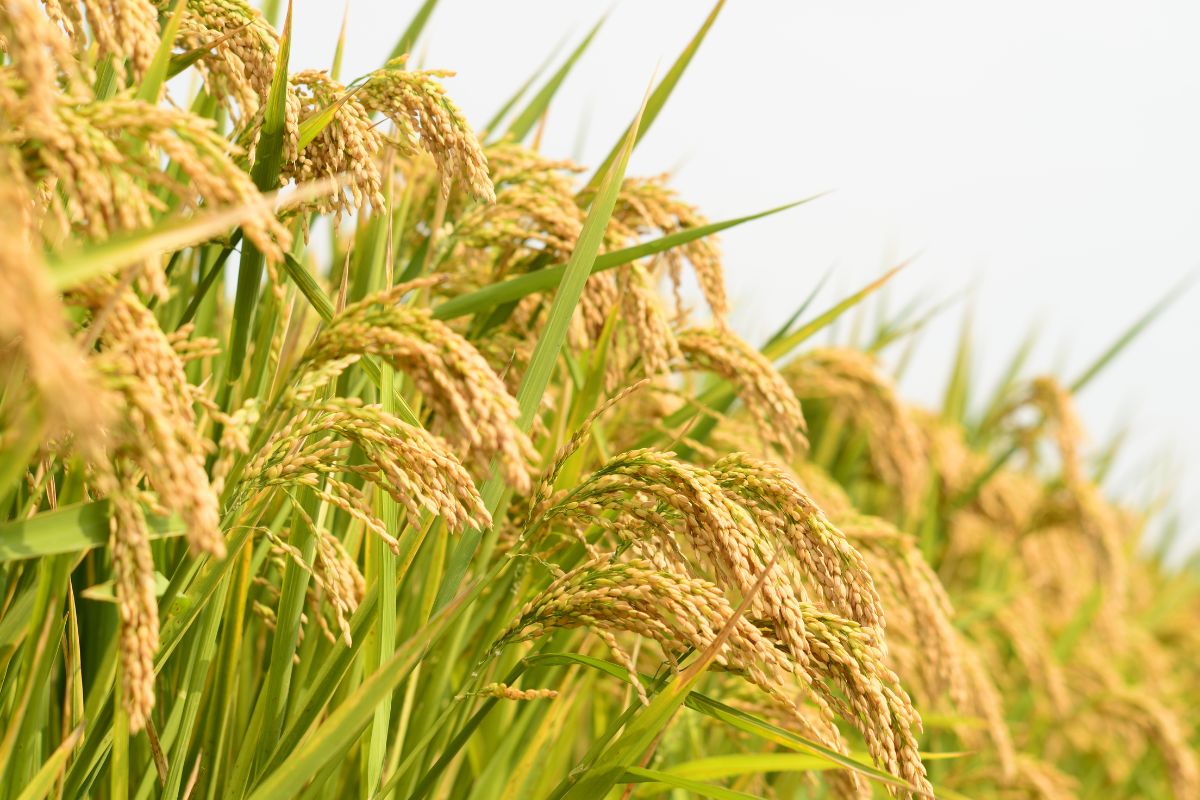
India grows more pulses than any other country, yet farmers largely depend on chickpea, pigeon pea, mung bean and urad. Scientists now believe another traditional pulse—rice bean (Vigna umbellata)—deserves a much bigger role. Long cultivated in parts of the Himalayan region and Northeast India, rice bean is attracting fresh attention because it combines high protein content with the ability to grow in poor soils, withstand drought and produce stable yields under changing climatic conditions. Recent scientific reviews published in 2026 describe rice bean as one of the world’s most promising underutilised climate-smart crops.
Rice bean has traditionally been grown on a small scale in states such as Uttarakhand, Himachal Pradesh, Assam, Meghalaya, Nagaland and Manipur. Over time, cultivation declined as farmers shifted to more commercial pulses.
Researchers are now revisiting the crop because it thrives in marginal lands where many modern varieties struggle. It also requires fewer external inputs than several widely grown pulses, making it suitable for resource-poor farmers. Recent international studies highlight rice bean’s role in improving food security and climate resilience.
Built for a Changing Climate
One of rice bean’s biggest strengths is its resilience.
The crop can tolerate drought, heat and relatively poor soils while continuing to produce grain. Like other legumes, it fixes atmospheric nitrogen, improving soil fertility and reducing the need for chemical fertilisers.
Scientists also report that rice bean possesses valuable genetic traits that plant breeders could use to develop more climate-resilient pulse varieties in the future.
Rice bean contains high-quality plant protein along with dietary fibre, minerals and natural antioxidants.
Researchers are also studying its bioactive compounds for their potential health benefits. As demand grows for nutritious, plant-based foods, scientists believe rice bean could become an important ingredient in protein-rich foods and value-added products.
India is trying to diversify agriculture beyond a few dominant crops while improving nutrition and reducing climate risks.
Rice bean fits both goals. Experts argue that promoting underutilised indigenous pulses can strengthen protein security, reduce dependence on a narrow range of crops and create new opportunities for farmers in rainfed and hilly regions.
If supported through seed production, procurement and extension services, rice bean could become an attractive option for farmers in the Himalayan states, Northeast India and other rainfed regions.
A Crop Ready for the Future
Rice bean may never replace India’s major pulses, but it does not need to. Its strength lies in filling the gaps left by conventional crops under difficult growing conditions.
As climate change increases pressure on agriculture, crops that can produce nutritious food with fewer inputs will become more valuable. Rice bean offers India an opportunity to revive a traditional crop while preparing farming systems for a warmer and more uncertain future.
Also Read: Punarnava Jal – The world’s first organic fertilizer! Know how it is beneficial for farmers?
Contact us – If farmers want to share any valuable information or experiences related to farming, they can connect with us via phone or whatsapp at 9599273766 or you can write to us at “kisanofindia.mail@gmail.com”. Through Kisan of India, we will convey your message to the people, because we believe that if the farmers are advanced then the country is happy.
You can connect with Kisan of India on Facebook, Twitter, and Whatsapp and Subscribe to our YouTube channel.