



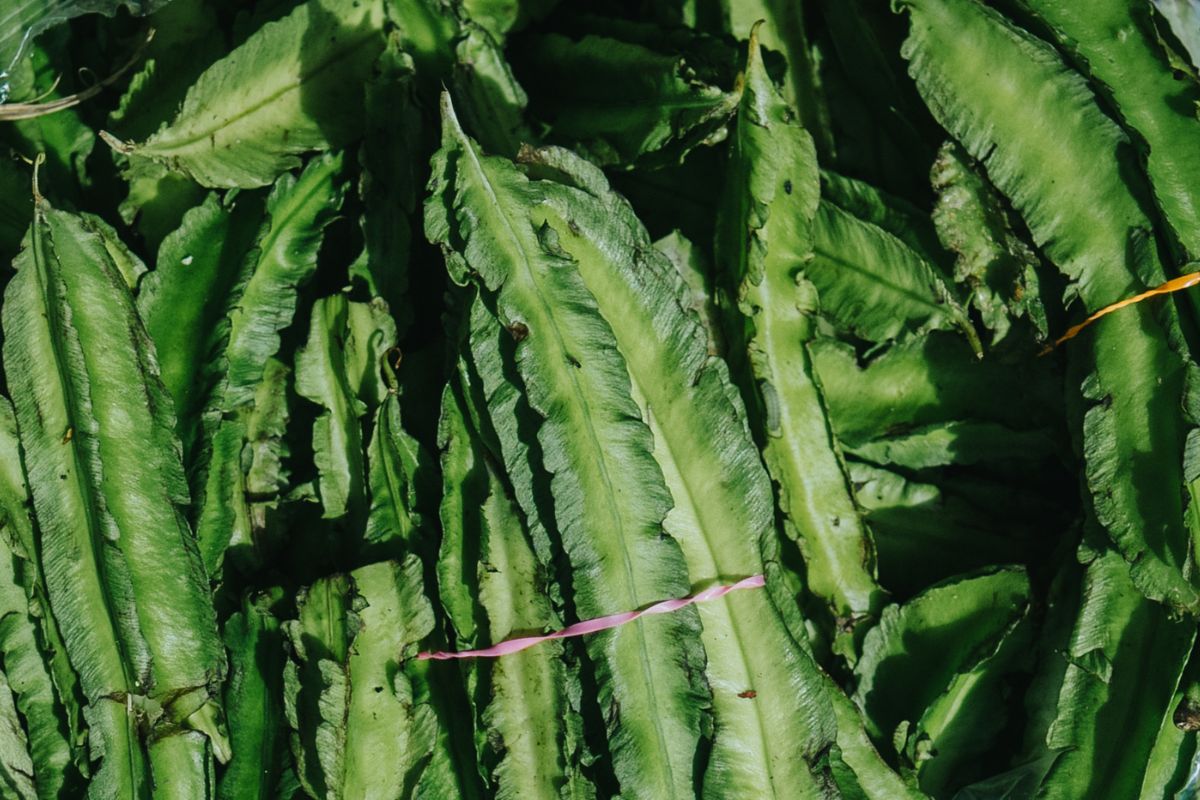
In the vegetable-growing pockets of Tripura, a lesser-known legume is beginning to attract attention from farmers, researchers, and market traders. Known as winged bean, the crop has been cultivated on a limited scale for years, but rising demand for nutritious vegetables and diversified farming systems is creating fresh opportunities for growers.
Unlike many conventional vegetables, nearly every part of the plant is usable. Its pods, leaves, flowers, seeds, and even tuberous roots can be consumed. This versatility is making the crop attractive to farmers seeking higher returns from small plots of land.
As consumers show growing interest in nutritious and specialty vegetables, winged bean is emerging as a promising option for producers in Northeast India.
One reason winged bean stands out is its remarkable versatility. Farmers can market the tender pods as vegetables, while mature seeds are used in food preparation much like pulses.
The leaves and flowers also have culinary value in many traditional food systems. This means growers are not dependent on a single harvest window or market segment.
Agricultural scientists note that few crops offer such a wide range of uses. For smallholders, this flexibility can reduce risk and improve overall farm income.
The crop’s multiple uses are becoming one of its strongest commercial advantages.
Most farmers in Tripura operate on relatively small landholdings. Crops that generate good returns from limited space are therefore particularly attractive.
Winged bean performs well under such conditions.
The climbing plant can be grown using simple trellis systems and requires comparatively modest land resources. Farmers can integrate it into mixed farming systems alongside vegetables, fruits, and other crops.
Its ability to fit within existing agricultural practices has encouraged interest among growers looking to diversify production without major investments.
The crop’s adaptability is helping expand its cultivation area gradually.
Nutritional Value Drives Demand
Consumer awareness about nutrition is influencing food markets across India. Vegetables with high protein, vitamin, and mineral content are increasingly attracting attention from urban buyers.
Winged bean is often highlighted for its nutritional profile. The crop contains significant amounts of protein and other nutrients, making it attractive to health-conscious consumers.
Retailers and specialty vegetable sellers report growing interest in lesser-known crops that offer nutritional benefits alongside culinary diversity.
This trend is creating new market opportunities for producers willing to cultivate alternative vegetables.
Demand is no longer limited to traditional consumption areas.
Farmers are also paying attention to crops capable of performing under changing weather conditions. Climate variability has increased interest in diversified farming systems that reduce dependence on a narrow range of crops.
Winged bean’s ability to grow in tropical conditions makes it suitable for many parts of the Northeast. Agricultural experts view diversification as an important strategy for improving resilience and managing production risks.
Adding alternative crops can help farmers respond more effectively to market fluctuations and environmental uncertainty.
This broader role strengthens the crop’s appeal beyond immediate economic returns.
Agricultural universities and research centres in the Northeast are conducting trials and demonstrations aimed at increasing awareness of the crop’s potential.
Extension programmes are helping farmers understand cultivation methods, pest management practices, and marketing opportunities. Improved seed availability is also supporting wider adoption.
Researchers believe crops such as winged bean could play an important role in future diversification efforts, particularly in regions where smallholder farming dominates agricultural production.
The focus is on creating new income opportunities while strengthening local food systems.
Support from research institutions is helping build confidence among growers.
A New Opportunity for Diversified Farming
The future of Indian agriculture increasingly depends on diversification. Farmers are looking beyond conventional crops in search of products that offer better returns, stronger market demand, and greater resilience.
Winged bean fits many of these requirements.
Its versatility, nutritional value, and suitability for small farms are helping it gain attention among producers seeking alternatives to traditional vegetable crops. While cultivation remains relatively limited, interest is growing steadily.
For farmers in Tripura, the crop represents more than another vegetable.
It represents an opportunity to participate in changing food markets while making better use of available land and resources.
As awareness expands, winged bean may become one of the Northeast’s most promising emerging crops.
Also Read: Punarnava Jal – The world’s first organic fertilizer! Know how it is beneficial for farmers?
Contact us – If farmers want to share any valuable information or experiences related to farming, they can connect with us via phone or whatsapp at 9599273766 or you can write to us at “kisanofindia.mail@gmail.com”. Through Kisan of India, we will convey your message to the people, because we believe that if the farmers are advanced then the country is happy.
You can connect with Kisan of India on Facebook, Twitter, and Whatsapp and Subscribe to our YouTube channel.