


Scientists Have Developed an AI Camera That Identifies Weeds While Tractors Are Moving

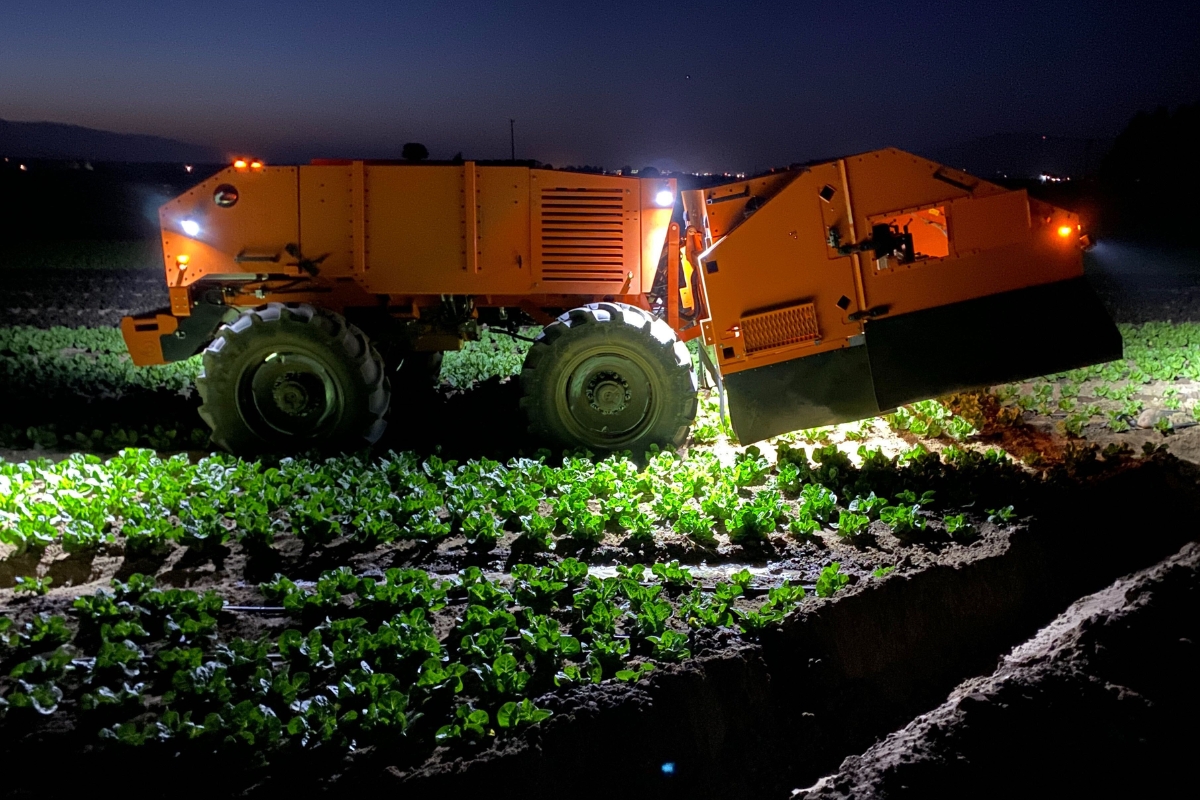
Weed control is one of the most expensive and labour-intensive operations in farming. Most farmers still spray herbicides uniformly across an entire field, even though weeds usually grow in patches. Researchers have now developed an AI-powered vision system that can identify weeds in real time as a tractor moves through the field.
The system uses high-resolution cameras and deep-learning algorithms to distinguish crops from weeds within milliseconds. Once a weed is detected, it can activate a precision sprayer to apply herbicide only where it is needed, reducing chemical use and production costs. Scientists believe the technology could make weed management both more economical and environmentally sustainable.
Cameras Replace Manual Scouting
Instead of farmers walking through fields to identify weed infestations, the smart camera continuously scans crops during field operations.
Artificial intelligence analyses every image instantly and classifies plants based on their shape, colour and growth pattern. The system creates a live weed map while the tractor continues moving, allowing farmers to identify problem areas without stopping field work.
Researchers say this approach saves both time and labour while improving the accuracy of weed detection.
Precision Spraying Reduces Chemical Use
Once weeds are identified, the system can work with smart sprayers that activate individual nozzles only where weeds are present.
Instead of spraying an entire field, herbicides are applied only to targeted locations. Early field trials have shown that this approach can significantly reduce herbicide consumption while maintaining effective weed control.
Lower chemical use also means lower production costs and less environmental contamination.
AI Keeps Improving
Unlike traditional image-processing software, deep-learning models improve as they analyse more field images.
Researchers continue training these systems using different crops, weed species and weather conditions to improve detection accuracy. As larger datasets become available, AI becomes better at recognising weeds even at early growth stages.
Scientists expect future versions to identify nutrient deficiencies and crop diseases using the same camera platform.
What India Can Learn
India faces increasing labour shortages and rising weed management costs, particularly in crops such as cotton, soybean, maize, sugarcane and vegetables.
Smart camera systems could help reduce herbicide use while improving weed control. The technology would be particularly valuable through Custom Hiring Centres and Farmer Producer Organisations (FPOs), allowing farmers to access AI-powered equipment without purchasing expensive machinery.
As precision agriculture expands under the Digital Agriculture Mission, AI-based machine vision could become a key tool for sustainable crop management.
Cameras Could Become the Farmer’s New Eyes
Modern tractors are no longer just machines that pull implements. They are becoming intelligent platforms capable of analysing crops as they move through the field.
By combining cameras, artificial intelligence and precision spraying, researchers are creating machines that make decisions in real time. For Indian agriculture, this could mean lower input costs, reduced chemical use and more precise farming—one field at a time.