



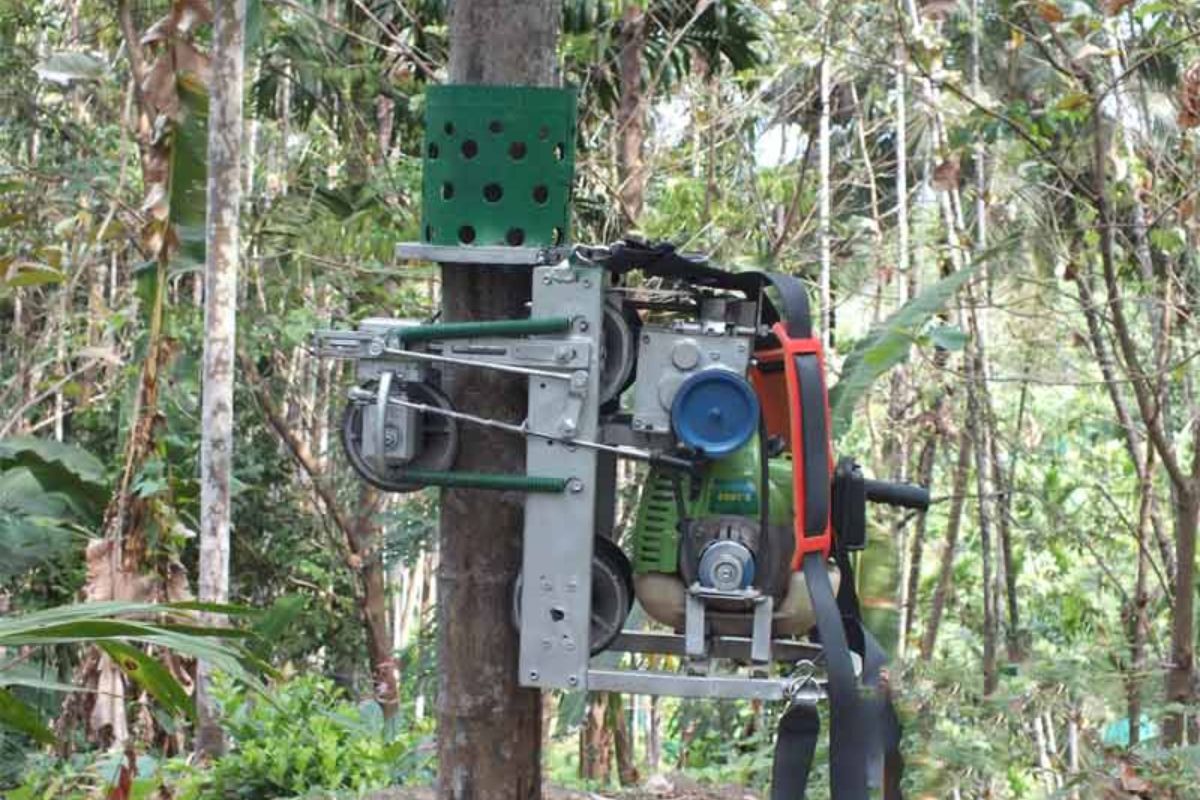
Farm machinery can save time and reduce labour requirements, but buying equipment remains beyond the reach of many small and marginal farmers. A tractor, planter, harvester or specialised machine requires a large upfront investment, while some equipment may only be used for a few days each season. ICAR’s farm mechanisation work in Mizoram highlights how community-based access to machinery can offer farmers another option.
The model centres on shared access. Instead of every farmer purchasing expensive equipment, a group can make machines available through a Custom Hiring Centre or another community-based system. Farmers can hire machinery when they need it and pay for the service. This can reduce the financial burden of ownership while allowing smaller farms to use machines suited to specific operations.
Farm machines can be expensive to purchase and maintain. The farmer also has to consider repair costs, fuel, storage and the number of days the machine will actually be used. For a small landholding, buying a specialised machine may not make financial sense if it remains unused for most of the year.
This is one reason ICAR has promoted need-based mechanisation and Custom Hiring Centres. The All India Coordinated Research Project on Farm Implements and Machinery identifies machinery gaps for different crops and regions while also promoting custom hiring as a way to improve access to equipment.
For many farmers, the key issue is not whether a machine is useful. The issue is whether they can afford to own it. Hiring changes that calculation. A farmer can pay for an operation rather than carrying the full cost of purchasing the equipment.
What machines can farmers share?
The equipment available through a hiring system can depend on the crops and local farming conditions. Farmers may need machines for land preparation, sowing, planting, intercultural operations, spraying, harvesting or threshing.
ICAR’s farm machinery research covers equipment for tillage, sowing and planting, fertiliser application, plant protection, harvesting and threshing. The need for each machine can vary widely between regions.
A community should therefore avoid buying machines simply because they are popular elsewhere. Farmers should first identify the operations where labour shortages, high costs or delays are affecting production.
The most useful machine is the one that solves a local farm problem.
Timing is critical in farming. A delay in sowing can affect crop establishment. Delayed harvesting can increase the risk of crop losses. Farmers often need machinery at the same time, especially after rainfall or during harvest.
This creates one of the main challenges for shared equipment systems.
The machine may be affordable to hire, but it must also be available when the farmer needs it.
A Custom Hiring Centre therefore needs proper booking and scheduling. Farmers should know when equipment is available and how much time each operation will take.
Without a clear system, disputes can arise during the busiest part of the season.
The Mizoram example shows the value of group access
ICAR’s work with farmers in Mizoram found that many small farmers traditionally depended on manual tools. High investment costs limited access to mechanical power. The institute promoted a group-based approach where farmers could access need-based machinery on a hiring basis.
The approach linked machinery access with wider changes in farming. Farmers also adopted shorter-duration rice varieties and expanded cultivation into additional crops during the year. The time saved through changes in crop duration and better access to farm resources helped create opportunities for more intensive cropping.
The example shows that machinery alone may not change farm income.
Its benefits can increase when farmers use saved time to improve other parts of their farming system.
Shared machinery needs regular maintenance. A machine that breaks down during sowing or harvesting can affect many farmers, not just one owner. Custom Hiring Centres need trained operators and a system for repair and maintenance. Spare parts should also be available locally where possible.
Farmers hiring machinery should understand basic operating rules and avoid using equipment beyond its intended purpose. The long-term success of a shared machinery centre depends on keeping the machines operational. Low rental prices will not help farmers if the equipment frequently remains out of service.
Shared machines could expand access
ICAR’s research shows that farm mechanisation does not always require every farmer to become a machine owner. Shared access can provide another route, especially for farmers with limited land and capital. Custom Hiring Centres can allow groups to spread the cost of machinery while giving individual farmers access when farm operations require it.
For small farmers, this approach can change an important question.
Instead of asking, “Can I afford to buy this machine?” they can ask, “Can I access it when my crop needs it?”
That difference may determine whether mechanisation becomes practical for smaller farms.
Also Read: Punarnava Jal – The world’s first organic fertilizer! Know how it is beneficial for farmers?
Contact us – If farmers want to share any valuable information or experiences related to farming, they can connect with us via phone or whatsapp at 9599273766 or you can write to us at “kisanofindia.mail@gmail.com”. Through Kisan of India, we will convey your message to the people, because we believe that if the farmers are advanced then the country is happy.
You can connect with Kisan of India on Facebook, Twitter, and Whatsapp and Subscribe to our YouTube channel.