



Brazil is expanding the adoption of regenerative agriculture as part of its strategy to improve soil health, increase farm productivity and reduce greenhouse gas emissions. Farmers across major agricultural regions are adopting practices such as no-till farming, cover cropping and integrated crop-livestock systems to build more resilient farming systems while protecting natural resources.
The initiative is receiving support from agricultural research institutions, government agencies and private companies. Experts believe regenerative agriculture can improve long-term farm profitability while helping countries meet climate goals.
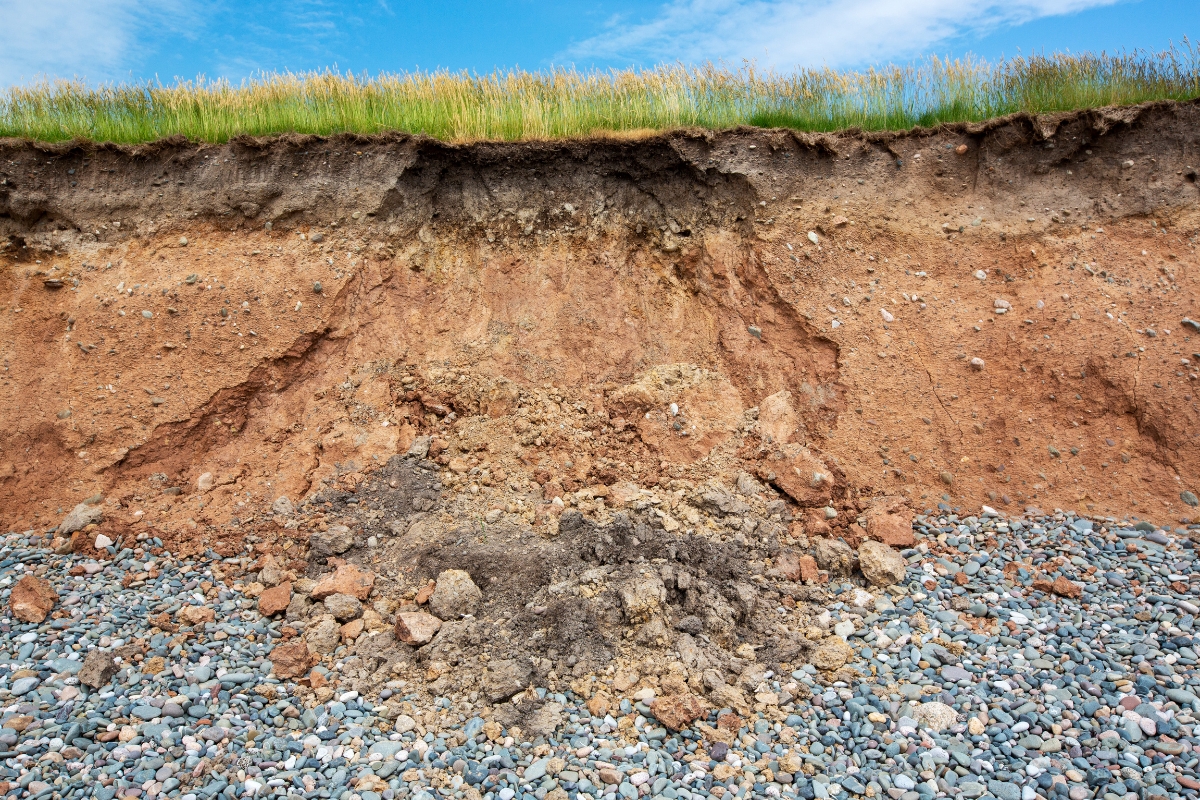
Healthy soil is at the centre of Brazil’s regenerative farming programme.
Farmers are encouraged to keep fields covered with crops or crop residues throughout the year instead of leaving the soil exposed after harvest. Cover crops improve organic matter, reduce erosion and increase water infiltration, making fields more resilient during droughts.
Researchers say restoring soil biology also improves nutrient cycling and reduces dependence on synthetic fertilisers over time.
No-Till Farming Gains Momentum
Brazil is one of the world’s leading adopters of no-till agriculture.
Instead of ploughing fields before every crop, farmers sow seeds directly into the previous crop’s residue. This reduces soil disturbance, conserves moisture and lowers fuel consumption.
Scientists report that no-till systems also reduce greenhouse gas emissions while improving soil carbon storage, making agriculture more climate resilient.
Another important feature of Brazil’s farming model is the integration of crops and livestock.
Farmers rotate crops with managed grazing systems, allowing land to remain productive throughout the year. Animal manure naturally improves soil fertility, while diversified farming reduces production risks.
Experts say integrated farming also improves resource efficiency by making better use of land, water and crop residues.
Lessons for Sustainable Agriculture
Brazil’s experience shows that improving soil health can increase productivity while reducing environmental impacts.
Agricultural researchers believe regenerative farming offers practical solutions for countries facing soil degradation, water scarcity and climate-related challenges. Practices such as cover cropping, residue management and no-till cultivation can be adapted to different farming systems depending on local conditions.
As global agriculture faces increasing pressure to produce more food with fewer natural resources, regenerative agriculture is emerging as an important approach for building resilient farming systems. Brazil’s growing adoption of these practices demonstrates how soil conservation, scientific management and sustainable production can work together to support both farmers and the environment.
Also Read: Punarnava Jal – The world’s first organic fertilizer! Know how it is beneficial for farmers?
Contact us – If farmers want to share any valuable information or experiences related to farming, they can connect with us via phone or whatsapp at 9599273766 or you can write to us at “kisanofindia.mail@gmail.com”. Through Kisan of India, we will convey your message to the people, because we believe that if the farmers are advanced then the country is happy.
You can connect with Kisan of India on Facebook, Twitter, and Whatsapp and Subscribe to our YouTube channel.