


Global Wheat Markets React After Weather Damage Hits Major Farming Regions

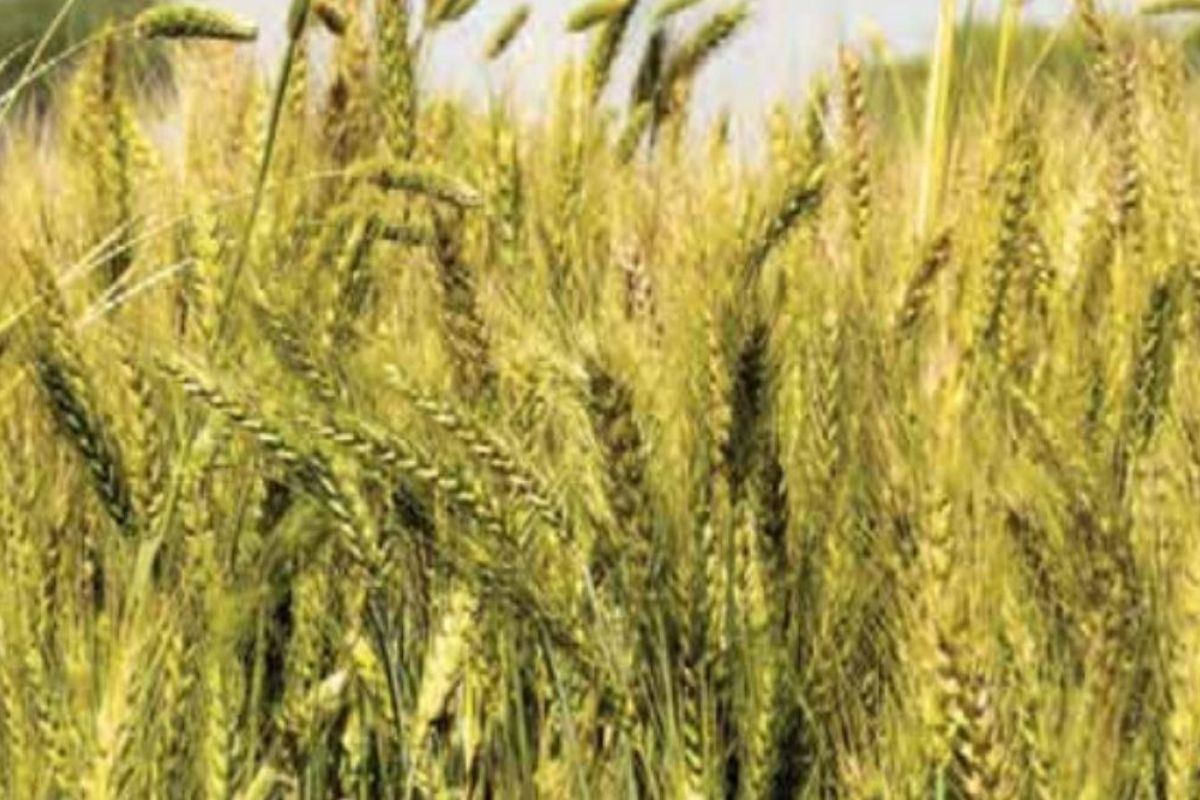
Global agriculture markets are closely watching wheat production after extreme weather conditions damaged crops in several countries this season. Heatwaves and dry conditions affected farming regions in parts of Europe, Russia, and Australia. Agriculture experts say lower wheat output may influence global food prices during the coming months. Several governments are already reviewing grain reserves and export plans. Farmers in affected areas reported weaker crop growth after rainfall shortages continued during important crop development stages.
Wheat Prices Show Market Movement
International wheat prices showed movement this week after reports of weather-related production concerns increased. Traders are monitoring harvest estimates from major exporting countries. Experts say even small production declines can influence global grain markets because many nations depend heavily on wheat imports. Food companies and flour mill operators are also following updates closely. Some analysts expect price volatility if heat conditions continue during harvest season.
Climate Risks Continue Growing
Climate-related crop pressure is becoming one of the biggest concerns in global agriculture. Heatwaves, floods, and irregular rainfall patterns affected several farming regions during recent years. Experts say farming calendars are changing because traditional weather patterns are becoming less predictable. Some countries are now investing heavily in drought-resistant crop varieties and climate-resilient farming systems. Agriculture researchers believe future food security planning will depend on climate adaptation.
Farmers Shift Toward Water-Saving Methods
Farmers in many countries are adopting water-saving farming methods to manage changing weather conditions. Drip irrigation, soil moisture sensors, and climate-smart farming practices are gaining attention. In Australia and Israel, smart irrigation systems helped farmers reduce water waste during dry conditions. Similar methods are now expanding in India and parts of Africa. Experts say water management may become one of the most important farming priorities during the next decade.
AI Agriculture Tools Expand Globally
AI farming systems are spreading across international agriculture markets. Farmers now use satellite-based crop monitoring, weather forecasting tools, and pest prediction systems through mobile platforms. Some companies provide AI-powered field analysis that helps farmers make faster decisions. In India, Bharat-VISTAAR became a major digital agriculture discussion this year. Similar AI agriculture systems are also expanding in Brazil, Kenya, and the United States.
Governments Increase Food Security Planning
Several governments are increasing focus on domestic food production due to changing global market conditions. Grain storage projects, local crop support programs, and farming subsidies are receiving stronger attention during 2026. Experts say countries want to reduce dependence on unstable import markets after repeated climate disruptions. Some nations are also encouraging farmers to diversify crops instead of depending on only one grain variety.
Farm Machinery Demand Continues Rising
Farm machinery demand is also increasing in many farming regions because labour shortages continue affecting agriculture. Farmers are using combine harvesters, drone sprayers, and precision farming tools more frequently during large-scale operations. Governments in developing countries are supporting machinery rental programs to help small farmers access modern equipment. Experts say mechanization may improve harvesting speed and reduce crop losses during difficult weather periods.
Global Farming Enters a New Phase
The global farming sector is entering a period shaped by climate risks, technology, and changing food demand. Countries are investing in AI systems, irrigation technology, climate-resistant crops, and food storage infrastructure. Experts believe future agricultural success may depend on how quickly farmers adapt to environmental and market changes. Food security is now becoming one of the biggest priorities for governments and agriculture industries worldwide.
Also Read: Punarnava Jal – The world’s first organic fertilizer! Know how it is beneficial for farmers?
Contact us – If farmers want to share any valuable information or experiences related to farming, they can connect with us via phone or whatsapp at 9599273766 or you can write to us at “kisanofindia.mail@gmail.com”. Through Kisan of India, we will convey your message to the people, because we believe that if the farmers are advanced then the country is happy.
You can connect with Kisan of India on Facebook, Twitter, and Whatsapp and Subscribe to our YouTube channel.