



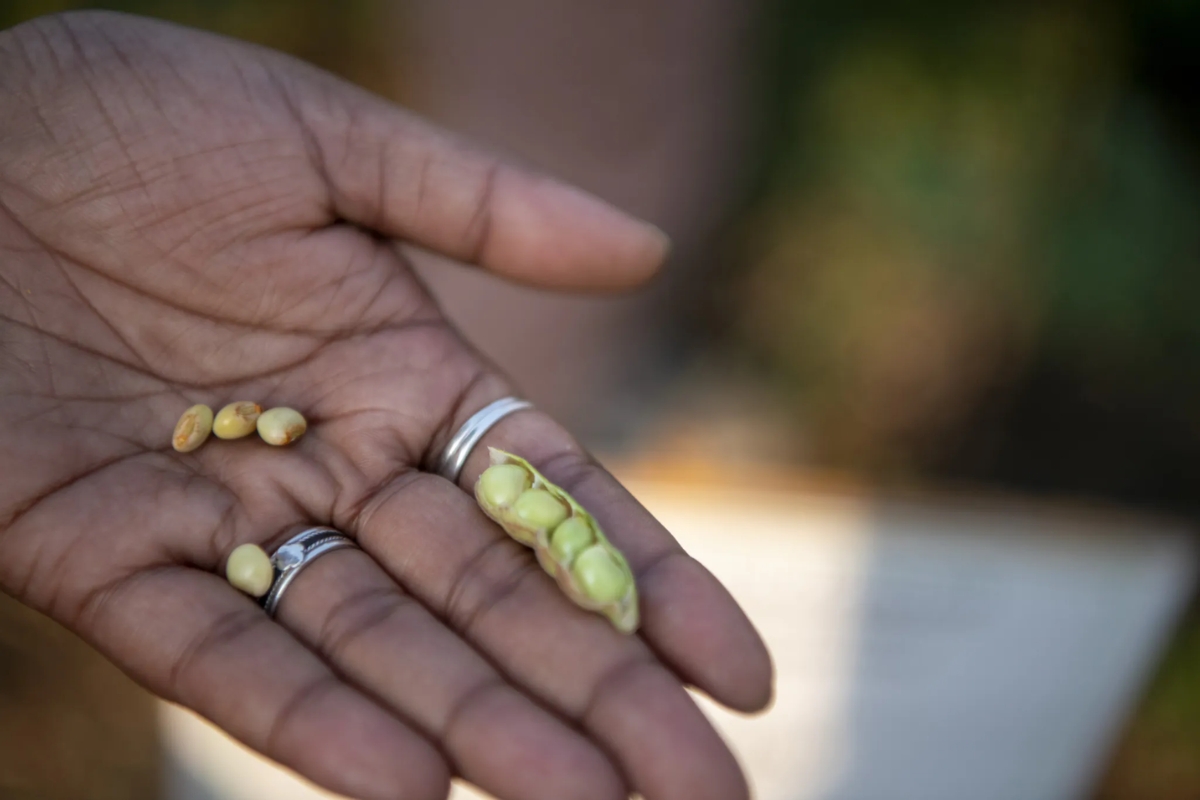
The Indian Council of Agricultural Research (ICAR) is advancing research on heat-tolerant pigeon pea lines as rising temperatures increasingly threaten pulse production across the country. Scientists are evaluating new breeding materials capable of maintaining productivity under warmer conditions, with the aim of helping farmers adapt to climate-related challenges.
Pigeon pea, commonly known as arhar or tur, is one of India’s most important pulse crops. It serves as a major source of protein for millions of households and supports the livelihoods of farmers across Maharashtra, Karnataka, Madhya Pradesh, Uttar Pradesh, Telangana, and several other states.
Researchers say the need for climate-resilient varieties has become more urgent as extreme heat events become more frequent during critical crop growth stages.
Rising Temperatures Threaten Pulse Production
Climate data shows that average temperatures have been increasing across many agricultural regions of India. Heat stress can affect flowering, pod formation, grain filling, and overall plant growth. Even short periods of extreme temperatures during sensitive growth stages may reduce yields significantly.
Scientists working on pulse improvement programmes have observed that pigeon pea cultivation is becoming increasingly vulnerable to temperature fluctuations. Developing varieties capable of performing under warmer conditions is therefore emerging as a major research priority.
Agricultural experts believe climate-resilient pulses will play a key role in protecting future food security.
The primary goal of ICAR’s research is not only to improve heat tolerance but also to maintain yield stability under stressful conditions. Scientists are screening breeding lines across multiple environments to identify plants that continue producing acceptable yields despite higher temperatures.
Researchers evaluate traits such as flowering behaviour, pod development, maturity duration, and overall plant performance. Promising lines are tested repeatedly before being considered for wider cultivation.
Plant breeders note that yield stability is often more important than peak performance because farmers need reliable production under varying weather conditions.
Pulses Are Important for Nutrition
India is both the largest producer and consumer of pulses in the world. Pigeon pea occupies a central place in the country’s pulse economy and contributes significantly to dietary protein intake.
Any decline in production can affect both farmer incomes and market availability. Scientists therefore view improvements in pigeon pea resilience as important not only for agriculture but also for nutrition security.
Researchers believe stronger pulse production systems will become increasingly important as climate pressures intensify.
Pigeon pea offers several advantages beyond grain production. The crop improves soil fertility through biological nitrogen fixation and plays an important role in sustainable farming systems.
Heat-tolerant varieties could help maintain these benefits while reducing production risks. Farmers may gain more reliable harvests, while agricultural systems continue benefiting from the crop’s contribution to soil health.
Agricultural economists frequently point out that stable pulse production supports both environmental and economic sustainability.
Research institutions across India are increasingly focusing on crops capable of performing under future climate conditions. Scientists are working on drought tolerance, heat resistance, disease management, and other traits aimed at strengthening agricultural resilience.
The pigeon pea programme forms part of this broader effort to prepare Indian agriculture for changing weather patterns. Researchers emphasise that breeding climate-resilient crops remains one of the most effective long-term adaptation strategies available to farmers.
Several promising lines are currently undergoing evaluation at research stations across different agro-climatic zones.
Preparing Pulses for a Warmer Future
The development of heat-tolerant pigeon pea varieties reflects the growing importance of climate adaptation in agricultural research. As temperatures continue rising, farmers will increasingly depend on crops capable of maintaining productivity under challenging conditions.
For pulse growers, improved varieties could reduce risks associated with heat stress and support more stable production. For consumers, they may help ensure a reliable supply of one of India’s most important food crops.
Across research farms and breeding stations, scientists are working to ensure that pigeon pea remains productive in a warmer future, helping farmers and food systems adapt to the realities of climate change.
Contact us- If farmers want to share any valuable information or experiences related to farming, they can connect with us via phone or whatsApp at 9599273766 or you can write to us at kisanofindia.mail@gmail.com. Through Kisan of India, we will convey your message to the people, because we believe that if the farmers are advanced then the country is happy.
You can connect with Kisan of India on Facebook, Twitter, and WhatsApp and Subscribe to our YouTube channel.