



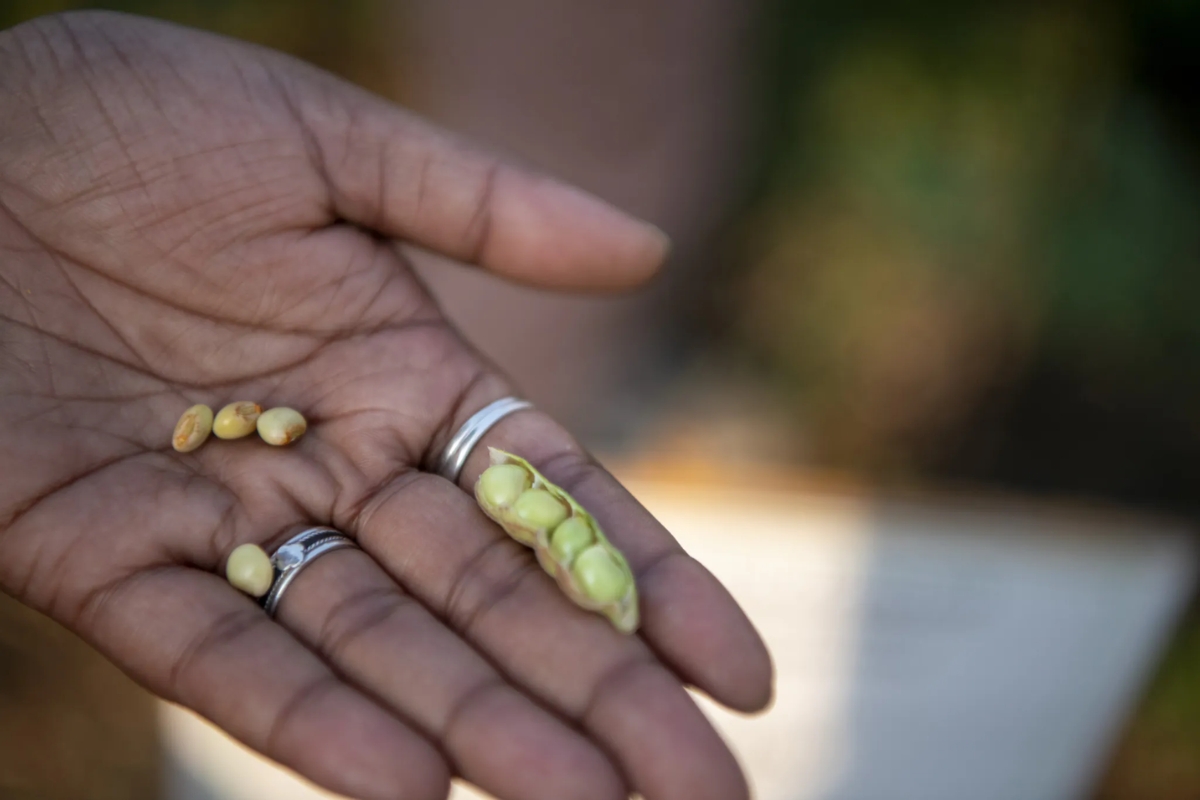
The Indian Council of Agricultural Research (ICAR) has achieved a major milestone by developing India’s first fully annotated telomere-to-telomere (T2T) reference genome of pigeonpea (tur/arhar). Scientists say the breakthrough will significantly speed up breeding programmes aimed at producing higher-yielding, climate-resilient and disease-resistant pigeonpea varieties.
Pigeonpea is one of India’s most important pulse crops and a major source of protein for millions of people. The availability of a complete genome provides researchers with detailed genetic information that was previously unavailable, making crop improvement faster and more precise.
Traditional crop breeding often takes many years because researchers must identify desirable traits through repeated field trials.
With the complete genome sequence now available, scientists can identify genes responsible for important characteristics such as drought tolerance, disease resistance, early maturity and higher productivity much more quickly. This will help breeders develop improved varieties in less time.
Researchers describe the genome as a valuable reference that will support future genetic studies and advanced breeding programmes across India’s pulse research network.
Helping Farmers Face Climate Change
Pigeonpea is widely grown under rainfed conditions where farmers often face erratic rainfall and prolonged dry spells.
Scientists expect the genome to help develop varieties that can better tolerate heat, drought and emerging diseases. Climate-resilient varieties can reduce production risks while maintaining stable yields under changing weather conditions.
Improved disease resistance will also help farmers reduce crop losses and lower expenditure on plant protection measures.
India remains one of the world’s largest producers and consumers of pulses. Increasing domestic productivity is important for strengthening food security and reducing dependence on imports.
Researchers believe genomic tools will complement conventional breeding by helping scientists select superior breeding lines more efficiently. This can accelerate the release of improved pigeonpea varieties suitable for different agro-climatic regions.
Higher-yielding varieties will also improve farmer incomes by increasing production without expanding cultivated land.
Strengthening Agricultural Research
The development reflects the growing role of genomics in modern agriculture.
ICAR scientists say the complete pigeonpea genome will support research not only in India but also in other pigeonpea-growing countries. It will provide a foundation for future work on crop improvement, gene discovery and precision breeding.
As climate change continues to challenge agricultural production, advanced genomic research is expected to become an important tool for developing crops that are more productive, resilient and capable of meeting future food security needs.
Contact us: If farmers want to share information or experiences related to farming with us, then they can do this by calling us on the phone number 9599273766 or by writing an email to kisanofindia.mail@gmail.com or by sending your recording. Through Kisan of India, we will convey your message to the people, because we believe that if the farmers are advanced then the country is happy