



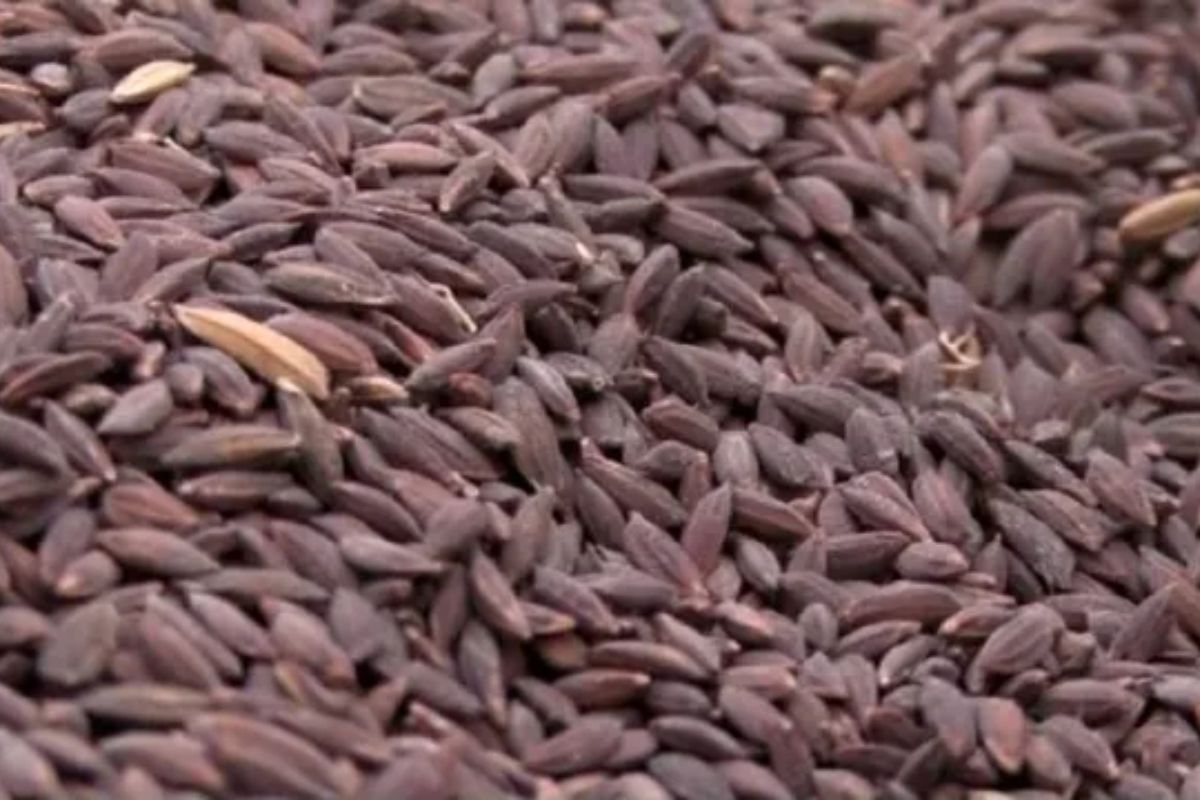
High in the mountains of Gurez, Tulail, and parts of north Kashmir, farmers cultivate a spice that occupies only a small area of land but commands attention far beyond the Valley. Known locally as kala jeera, or black cumin, the crop has been part of traditional mountain agriculture for generations.
Unlike common cumin grown in India’s plains, kala jeera is cultivated in limited high-altitude regions where climatic conditions suit its growth. The spice is valued for its distinctive aroma, culinary applications, and limited availability. For farmers working on small landholdings in remote mountain areas, it offers an opportunity to earn significantly higher returns than many conventional crops.
Today, renewed interest in traditional spices and niche agricultural products is helping bring attention back to this once-overlooked crop.
A Spice Adapted to Mountain Conditions
Kala jeera thrives in cool climates and is generally cultivated at elevations where many commercial crops struggle to perform. The growing season is short, and farmers depend heavily on local weather conditions to achieve good yields.
Cultivation practices remain largely traditional. Sowing, weeding, harvesting, and post-harvest handling often require substantial manual labour because mechanisation is difficult in steep mountain terrain.
Despite these challenges, farmers continue growing the crop because of its market value. Small harvests can generate meaningful income when quality standards are maintained and buyers are secured.
The crop demonstrates how mountain agriculture often relies on quality rather than volume.
Limited Production Supports Premium Prices
One reason kala jeera remains attractive is its scarcity. Production is concentrated in a few pockets of the Himalayas, and total output remains relatively small compared with major spice crops.
Limited availability helps support premium pricing.
Traders, spice companies, and specialty food businesses seek supplies because consumers value the spice’s distinctive flavour profile. Demand frequently exceeds local production, particularly for high-quality material harvested and processed carefully.
For farmers with limited land resources, this creates an important advantage. Higher value per acre can compensate for lower production volumes, making cultivation economically viable in difficult terrain.
The crop therefore plays a significant role in household incomes in some mountain communities.
Traditional Knowledge Shapes Production
Cultivating kala jeera requires detailed understanding of local conditions. Farmers rely on experience accumulated over generations to determine sowing times, manage soil fertility, and harvest at the correct stage.
Much of this knowledge is passed through families and local communities rather than formal agricultural training programmes. Weather patterns, altitude, and soil conditions all influence production outcomes.
Agricultural experts studying Himalayan farming systems often emphasise the importance of preserving such knowledge. Traditional practices developed because they suited local environments and resource constraints.
The continued cultivation of kala jeera depends heavily on these community-based skills.
Market Access Remains a Challenge
While demand is strong, marketing can be difficult for producers located in remote regions. Mountain villages often face transportation challenges, and farmers may have limited direct access to buyers.
As a result, growers sometimes depend on traders who aggregate produce before supplying larger markets. Several producer groups and agricultural agencies are working to improve market linkages and strengthen farmer bargaining power.
Improved branding and quality certification could also help producers capture a greater share of final market value.
Many observers believe that marketing improvements represent one of the biggest opportunities for expanding farmer incomes from the crop.
Production alone is not enough.
Climate Change Raises Concerns
Mountain agriculture is highly sensitive to climatic conditions, and farmers report increasing uncertainty regarding weather patterns. Changes in snowfall, rainfall distribution, and temperature can influence both yields and crop quality.
Because kala jeera occupies a specialised ecological niche, shifts in environmental conditions may affect suitable cultivation areas over time.
Researchers and agricultural officials are paying closer attention to climate-related risks in Himalayan farming systems. Protecting traditional crops increasingly requires understanding how changing weather patterns influence production.
For growers, adaptation is becoming an important part of long-term planning.
The challenge extends beyond individual farms to entire mountain landscapes.
A Future Built on Niche Agriculture
As Indian agriculture becomes more diversified, niche crops are attracting greater interest from farmers, entrepreneurs, and policymakers. Products linked to specific regions often benefit from strong identities and premium markets.
Kala jeera fits this pattern.
The crop does not compete with major cereal crops in terms of production volume, but it provides economic value that can be significant for mountain communities. Its strength lies in quality, uniqueness, and limited availability.
These characteristics make it particularly suited to regions where large-scale commercial agriculture is difficult.
For many farmers, specialised crops offer a pathway to higher incomes without expanding cultivated land.
A Small Crop With Big Potential
The fields where kala jeera grows are often modest in size, scattered across remote mountain landscapes that few people ever visit. Yet the crop produced there reaches kitchens, spice markets, and specialty food businesses far beyond the Himalayas.
Its continued survival reflects the determination of farming communities that have preserved cultivation practices through changing economic and environmental conditions.
As demand for regional agricultural products continues to grow, kala jeera is finding new relevance in modern markets.
For the farmers of Kashmir’s highlands, that renewed interest is helping ensure that a traditional mountain spice remains part of the region’s agricultural future
Also Read: Punarnava Jal – The world’s first organic fertilizer! Know how it is beneficial for farmers?
Contact us – If farmers want to share any valuable information or experiences related to farming, they can connect with us via phone or whatsapp at 9599273766 or you can write to us at “kisanofindia.mail@gmail.com”. Through Kisan of India, we will convey your message to the people, because we believe that if the farmers are advanced then the country is happy.
You can connect with Kisan of India on Facebook, Twitter, and Whatsapp and Subscribe to our YouTube channel.