


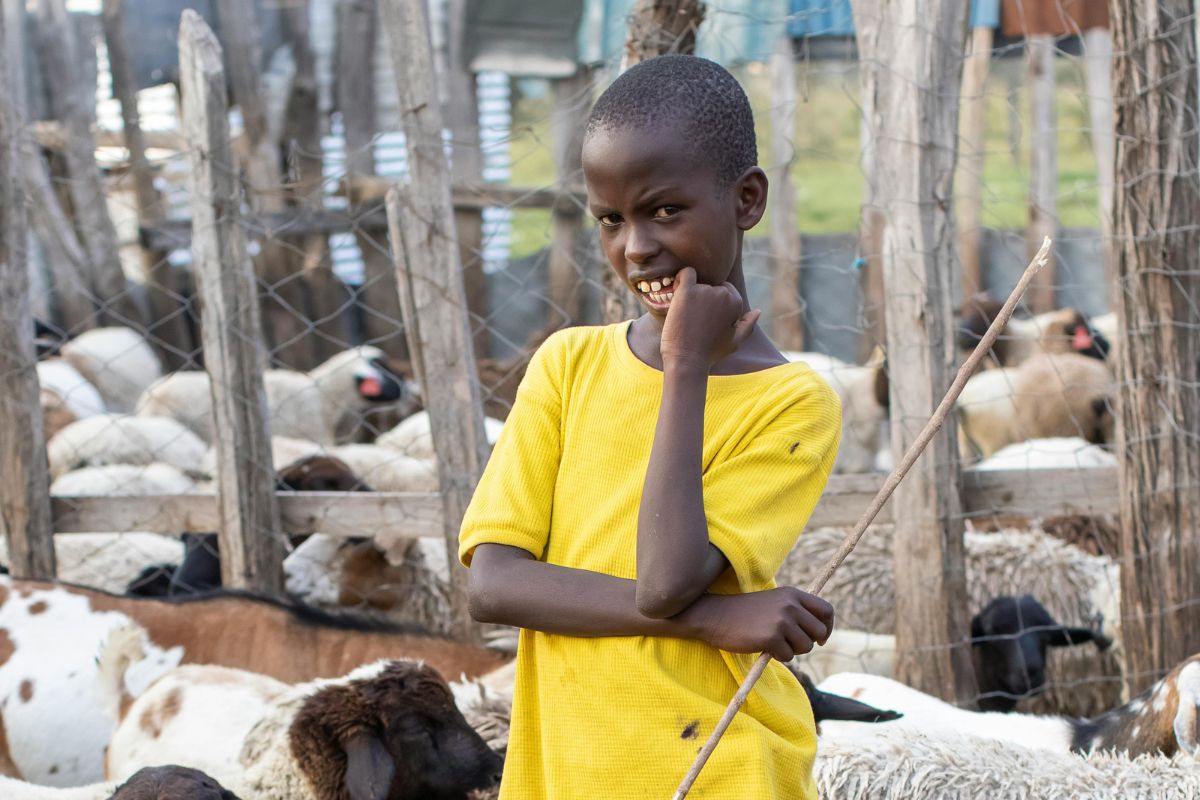
Kenya has begun expanding a national digital livestock identification programme aimed at improving animal traceability, disease monitoring, and livestock management across the country.
The initiative introduces electronic identification systems that assign unique records to animals, allowing authorities, veterinarians, and livestock owners to track movement, ownership, and health information more effectively.
Livestock remains one of Kenya’s most important agricultural sectors, supporting millions of pastoralists and rural households. Officials believe digital identification can strengthen both domestic livestock management and access to international markets.
The programme represents one of the largest livestock digitisation efforts currently underway in East Africa.
Global livestock markets increasingly require detailed information about animal origins and movement histories. Importing countries often demand proof regarding animal health status, vaccination records, and production systems before approving livestock products.
Digital identification systems help meet these requirements.
Each animal receives a unique identity linked to a central database containing relevant information. This improves transparency throughout the supply chain.
Traceability is becoming a key part of modern livestock trade.
Many countries are investing heavily in such systems.
Disease Monitoring Improves
Livestock diseases can spread rapidly when animal movements are difficult to track. Digital identification allows authorities to trace animal movements more efficiently during outbreaks. Veterinary services can identify affected areas and respond more quickly.
Researchers frequently highlight traceability systems as important tools for disease control. Faster responses help reduce economic losses while protecting animal health. The technology supports both farmers and veterinary agencies.
Information becomes available when it is needed most.
Many livestock producers rely on manual records or memory to track animal information. Digital systems allow farmers to maintain detailed histories related to breeding, vaccinations, treatments, and productivity. Improved recordkeeping supports management decisions.
Farmers can identify higher-performing animals, monitor herd development, and make more informed breeding choices.
Data becomes an agricultural asset. The value extends beyond regulatory requirements.
Export Opportunities Receive Attention
Kenya exports livestock and livestock products to several international markets. Meeting traceability standards is increasingly important for maintaining and expanding these opportunities. Digital identification helps demonstrate compliance with market requirements.
Officials view improved traceability as an investment in competitiveness. Access to premium markets often depends on the ability to provide reliable production information.
The programme supports this objective directly.
Market access remains a major motivation.
One challenge facing digital agriculture programmes is implementation across remote regions. Kenya’s livestock sector includes large pastoral communities operating in extensive grazing systems. Integrating these producers into digital platforms requires training, infrastructure, and community participation.
Authorities are working with livestock owners, veterinarians, and local organisations to support adoption.
Success depends on widespread participation.
The transition is expected to occur gradually.
Education remains a key component.
A New Era for Livestock Management
Livestock production is becoming increasingly data-driven around the world.
Digital identification systems are transforming how animals are tracked, managed, and marketed. Kenya’s programme reflects this broader trend toward technology-enabled livestock management.
The initiative aims to strengthen disease control, improve market access, and provide farmers with better management tools.
Its long-term success will depend on adoption, infrastructure, and continued investment.
For the livestock sector, the shift represents more than a technological upgrade.
It marks a move toward a future where information becomes as important as the animals themselves.
Also Read: Punarnava Jal – The world’s first organic fertilizer! Know how it is beneficial for farmers?
Contact us – If farmers want to share any valuable information or experiences related to farming, they can connect with us via phone or whatsapp at 9599273766 or you can write to us at “kisanofindia.mail@gmail.com”. Through Kisan of India, we will convey your message to the people, because we believe that if the farmers are advanced then the country is happy.
You can connect with Kisan of India on Facebook, Twitter, and Whatsapp and Subscribe to our YouTube channel.