



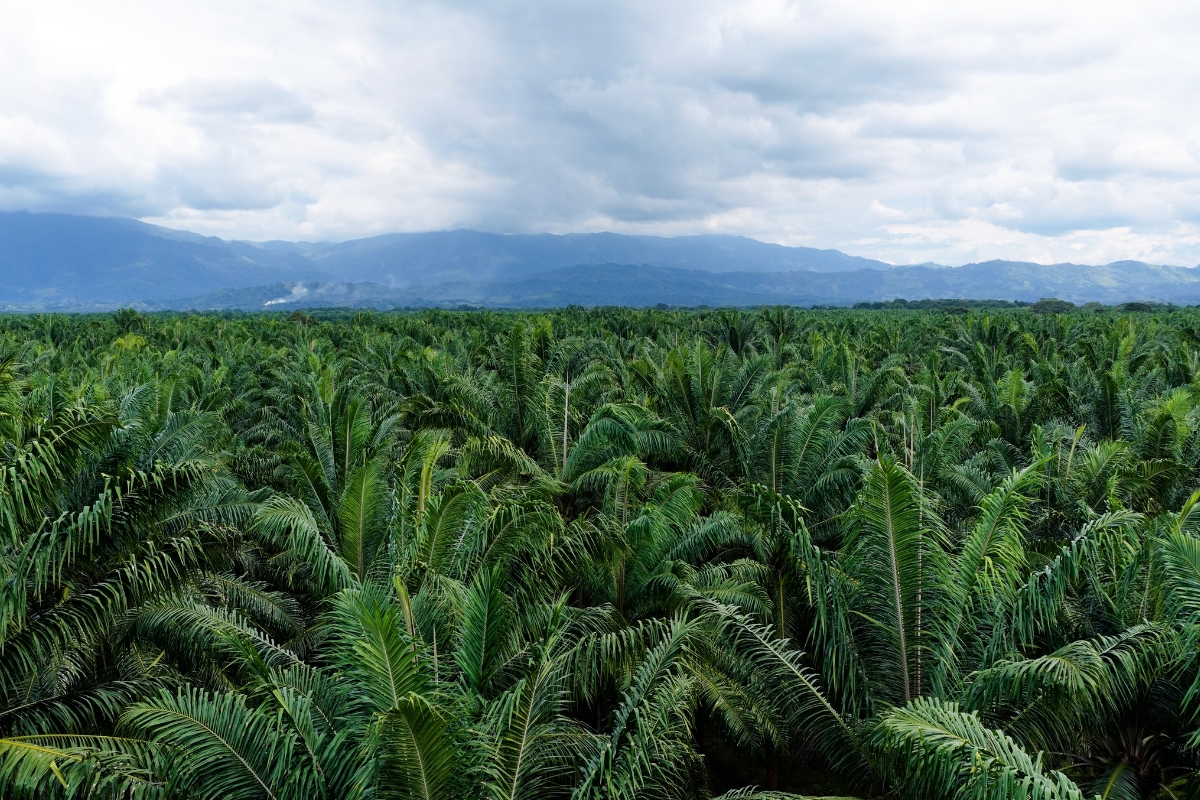
Makhana farmers are set to receive stronger support as the government expands efforts to develop India’s makhana sector through the National Makhana Board and a dedicated Central Sector Scheme. The initiative focuses on improving production, processing, value addition, marketing and export opportunities for one of Bihar’s important agricultural products.
The National Makhana Board was constituted in Bihar on 14 September 2025 with the objective of developing the sector across the value chain. The government has also approved the Central Sector Scheme for Development of Makhana with an outlay of ₹476.03 crore, creating a dedicated framework for supporting growers and businesses linked to the crop.
Makhana cultivation has a strong presence in Bihar, where the crop is grown in ponds and other water bodies. Farmers depend on traditional knowledge for cultivation, harvesting and processing, but the sector has significant scope for better technology and organised marketing.
The new support structure aims to address these gaps by improving production practices and strengthening facilities connected with processing and value addition. Financial assistance under the scheme will be provided to states through approved Annual Action Plans prepared for the development of the sector.
The approach is important because farmers often receive limited returns when agricultural products are sold without processing. Better processing and packaging can create products with higher market value and help producers participate in more stages of the supply chain.
The government is also focusing on marketing because stronger market connections can help farmers access buyers beyond local trading centres. For makhana growers, better market access could create opportunities in domestic retail, food processing and international markets.
More Scope for Processing and Value Addition
Makhana is increasingly being used in snacks, packaged foods and other processed products. This growing demand creates opportunities for farmers and rural businesses to move beyond the sale of raw produce.
The National Makhana Board has been given a broader role covering production, processing, value addition, marketing and export promotion. This means the sector’s development is being approached as a complete agricultural value chain rather than focusing only on cultivation.
Value addition can also create rural employment. Cleaning, grading, roasting, packaging and processing require local labour and infrastructure, allowing more economic activity to remain close to producing regions.
For farmers, the biggest opportunity could come from linking production with organised processing and marketing. If producer groups and local enterprises can establish stronger supply chains, growers may gain access to more stable markets and better prices.
Bihar at the Centre of Makhana Development
Bihar remains the main focus of the government’s makhana development efforts. The National Makhana Board functions under the administrative control of the Department of Agriculture and Farmers Welfare, Ministry of Agriculture and Farmers Welfare.
The board is expected to play a role in coordinating efforts across cultivation, processing, marketing and exports. Such coordination can help address problems that individual farmers cannot solve on their own, including access to technology, processing facilities and larger markets.
The scheme also creates a framework through which states can receive financial assistance based on approved annual plans. This allows support to be directed towards identified needs rather than following a single model across all production areas.
For farmers, the impact will depend on how effectively these programmes reach production areas and whether support translates into better technology, improved processing facilities and stronger market connections.
From Traditional Crop to Larger Agri-Business
The government sees makhana as more than a traditional crop. Its potential for processing, branding and exports gives it scope to become a larger rural business opportunity.
The ₹476.03 crore development scheme provides financial backing for this expansion, while the National Makhana Board provides an institutional structure for coordinating the sector.
For Bihar’s growers, the next stage will be turning these policy measures into practical benefits at the farm level. Better production methods, improved post-harvest handling and access to organised buyers could help farmers capture a larger share of the value generated by makhana.
If these links develop effectively, the initiative could strengthen farmer incomes while creating new opportunities in food processing, rural employment and agricultural exports. The development of the makhana sector also shows how a regionally important crop can be supported through a complete value-chain approach rather than focusing only on increasing production.
Also Read: Punarnava Jal – The world’s first organic fertilizer! Know how it is beneficial for farmers?
Contact us – If farmers want to share any valuable information or experiences related to farming, they can connect with us via phone or whatsapp at 9599273766 or you can write to us at “kisanofindia.mail@gmail.com”. Through Kisan of India, we will convey your message to the people, because we believe that if the farmers are advanced then the country is happy.
You can connect with Kisan of India on Facebook, Twitter, and Whatsapp and Subscribe to our YouTube channel.