


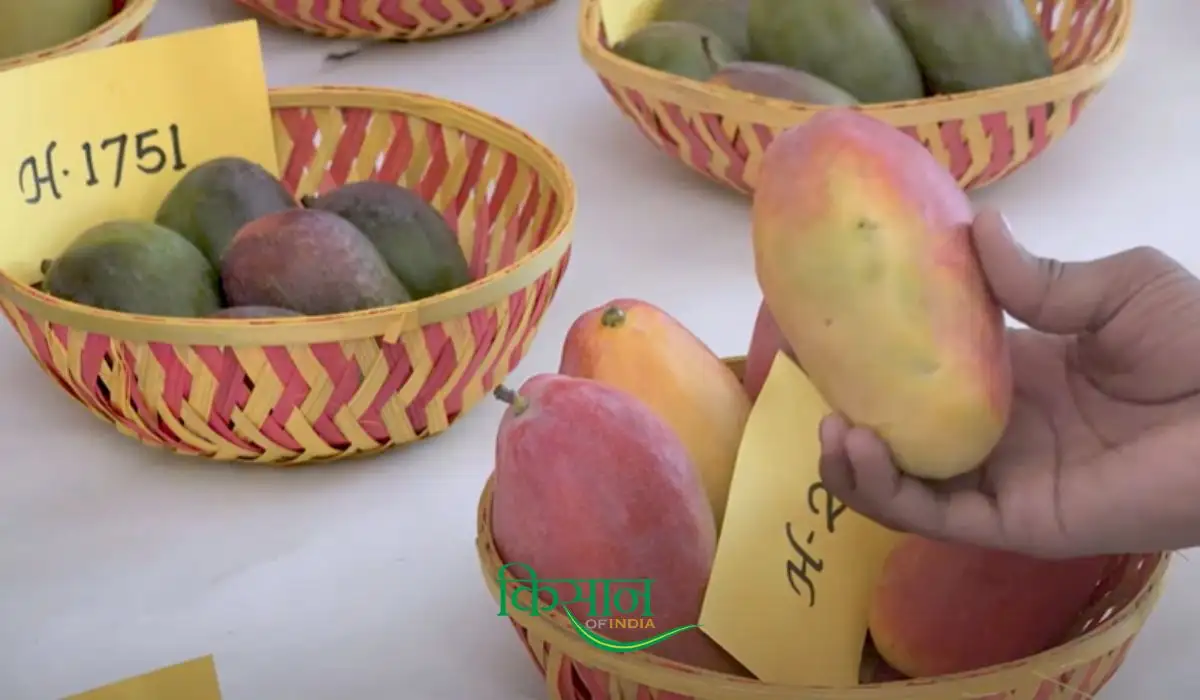
India is the world’s largest producer of mangoes. Every year, Indian farmers grow more than 20 million tonnes of this golden fruit. From the Alphonso belts of Maharashtra to the Dussehari orchards of Uttar Pradesh, mango farming feeds millions of families and earns billions in revenue. But behind this sweet success story lies years of hard work, smart practices, and a deep bond between the farmer and his land. For any farmer looking for a long-term, stable income crop, mango is one of the smartest choices available today.
Why Mango Farming Makes Sense
Mango trees are tough. They survive droughts, grow in poor soil, and produce fruit for decades. A well-maintained mango orchard starts giving returns from the fifth year and continues for 40 to 50 years. Farmers who invest in mango cultivation do not need to replant every season. The long-term income stability makes mango one of the safest fruit crops a farmer can choose. States like Uttar Pradesh, Andhra Pradesh, Maharashtra, and Bihar together account for over 70% of India’s total mango output, and thousands of small farmers in these regions depend entirely on mango for their annual income.
“My grandfather planted these trees. I have been harvesting from them for 30 years. A mango orchard is not just a crop — it is a family legacy.” Ramesh Yadav, mango farmer, Lucknow, Uttar Pradesh
Best Varieties for Maximum Profit
Alphonso, Kesar, Langra, Dussehari, Totapuri, and Banganapalli are among the most commercially valuable varieties. Alphonso earns the highest price in both domestic and export markets, with premium grades fetching Rs 500 to Rs 800 per dozen in metro cities. Kesar from Gujarat has carved out a strong export market in the Gulf countries. Farmers who focus on quality grading, post-harvest packaging, and direct market linkages consistently earn 20 to 30% more than those who sell through middlemen. Picking the right variety for your soil and climate is the first and most important decision a mango farmer makes.
Spacing, pruning, and timely irrigation are the three pillars of good mango farming. Farmers should maintain a spacing of 10×10 metres for traditional varieties and 2.5×5 metres for high-density plantations. Drip irrigation combined with fertigation increases yield by up to 40% compared to flood irrigation. Using plant growth regulators like Paclobutrazol in October to November helps trigger early and uniform flowering, which directly leads to better fruit set. Integrated Pest Management practices reduce input costs and improve fruit quality, making produce more acceptable to exporters and urban retailers.
“After I switched to drip irrigation and started using Paclobutrazol, my yield doubled in just two seasons. Now I sell directly to exporters in Mumbai.” Sunita Patil, progressive farmer, Ratnagiri, Maharashtra
Government View
The central government actively promotes mango cultivation under the National Horticulture Mission (NHM). Farmers receive subsidies on drip irrigation systems, cold storage construction, post-harvest equipment, and orchard development. The Agriculture and Processed Food Products Export Development Authority (APEDA) helps mango farmers get GI certification for varieties like Alphonso and Kesar, which unlocks premium export channels. Under the Pradhan Mantri Krishi Sinchai Yojana (PMKSY), the government provides up to 50% subsidy on drip and sprinkler irrigation systems. Farmers can apply through their state horticulture department to avail these benefits and increase productivity sustainably.
The future of mango farming in India looks bright. Growing domestic consumption, rising exports to Europe and the Middle East, and increasing demand for processed mango products like pulp, pickles, and juices are opening new income streams for farmers. Farmers who adopt precision farming, good agricultural practices, and market linkage programmes today will lead the next chapter of India’s mango success story. Every farmer who plants a mango tree today plants a promise for the next generation.
Also Read: Punarnava Jal – The world’s first organic fertilizer! Know how it is beneficial for farmers?
Contact us – If farmers want to share any valuable information or experiences related to farming, they can connect with us via phone or whatsapp at 9599273766 or you can write to us at “kisanofindia.mail@gmail.com”. Through Kisan of India, we will convey your message to the people, because we believe that if the farmers are advanced then the country is happy.
You can connect with Kisan of India on Facebook, Twitter, and Whatsapp and Subscribe to our YouTube channel.