


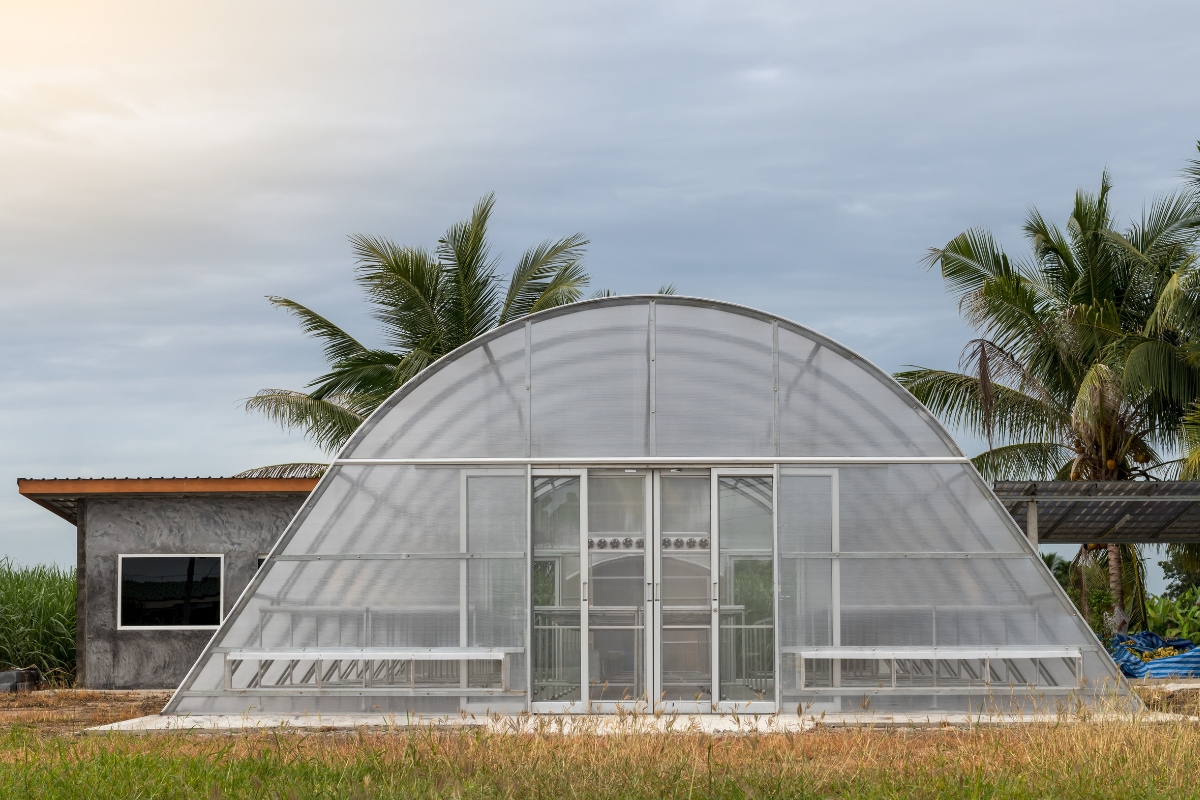
Farmers in the Northeast have a new drying technology that can help them handle agricultural produce after harvest. ICAR’s Research Complex for the North Eastern Hill Region has developed a solar biomass-based hybrid dryer for drying farm produce.
ICAR inaugurated the technology at its Umiam research complex in Meghalaya in July. The dryer uses renewable energy to improve post-harvest management and can help farmers reduce losses while creating opportunities for value-added products.
Fresh fruits, vegetables and other agricultural products contain high levels of moisture. If they are not dried or stored properly, they can deteriorate quickly.
Farmers often depend on open-air sun drying. This method is inexpensive but leaves produce exposed to rain, dust, insects and contamination. Drying can also become difficult when cloudy or wet weather continues during the harvest period.
A controlled drying system can help farmers manage moisture more consistently.
This becomes important in the Northeast, where rainfall and humidity can make outdoor drying difficult during parts of the year.
Solar and biomass provide the energy
The ICAR technology combines solar energy with biomass to provide a more reliable drying system.
Solar energy can supply the main heat when sunlight is available. Biomass can provide another source of heat when solar energy is insufficient.
This combination can help reduce dependence on conventional fuel while allowing farmers to continue drying produce when weather conditions change.
ICAR says the technology was developed to improve drying of agricultural produce and contribute to better post-harvest management, reduced losses and greater value addition for farmers.
The exact operating method and suitable crops will depend on the model and local conditions.
A dryer is not only useful for preserving produce. Farmers can use dried fruits, vegetables, spices and other agricultural products as raw materials for processed foods. Drying can extend shelf life and make it possible to sell products beyond the immediate harvest period.
For example, farmers can dry surplus vegetables instead of selling the entire harvest immediately. Fruits can also be dried or processed into products with a longer shelf life.
This can reduce pressure to sell quickly when local markets are flooded with fresh produce.
For small farmers and FPOs, controlled drying can therefore become part of a larger processing business.
Northeast farmers face post-harvest challenges
The Northeast has a wide range of horticultural and agricultural products, but difficult terrain, transport distances and weather conditions can make post-harvest management harder.
Farmers may produce good-quality crops but lose part of their harvest before it reaches consumers.
Local processing can address part of this problem by reducing the volume and moisture content of produce before transportation.
It can also allow farmer groups to sell processed products instead of only raw produce.
ICAR’s Research Complex for the North Eastern Hill Region works on technologies suited to the region’s specific agricultural conditions. The hybrid dryer is part of this wider effort.
A new machine becomes useful only when farmers can afford and operate it. Individual small farmers may not need a dryer throughout the year. A shared facility could make more sense in areas where several farmers produce fruits, vegetables or spices during different seasons.
Farmer Producer Organisations, self-help groups and rural enterprises could potentially operate such equipment collectively.
A similar approach is already being used with other low-cost drying technologies. An ICAR-linked mini hybrid solar dryer, for example, has been developed for farmers, FPOs, women entrepreneurs and small food-processing businesses. It uses solar energy with electric backup and is designed for fruits, vegetables and spices.
Better drying can support farm income
Post-harvest losses reduce the value of the crop farmers have already spent money and labour to produce. Better drying can help farmers preserve more of that production and keep products in marketable condition for longer.
The solar-biomass hybrid model also offers a way to use locally available renewable energy sources rather than depending entirely on conventional fuels. For farmers in the Northeast, the technology could be particularly useful where weather makes open-air drying unreliable.
The bigger opportunity is to connect drying with local processing and markets. If farmer groups can dry, package and sell products locally, they can move beyond selling only fresh produce. For small farms, that can turn post-harvest management from a problem into another part of the farm business.
Also Read: Punarnava Jal – The world’s first organic fertilizer! Know how it is beneficial for farmers?
Contact us – If farmers want to share any valuable information or experiences related to farming, they can connect with us via phone or whatsapp at 9599273766 or you can write to us at “kisanofindia.mail@gmail.com”. Through Kisan of India, we will convey your message to the people, because we believe that if the farmers are advanced then the country is happy.
You can connect with Kisan of India on Facebook, Twitter, and Whatsapp and Subscribe to our YouTube channel.