



Who will save our plates from global warming? When you look past the political handshakes and geopolitical summits, the real battle for human survival is not being fought in diplomatic corridors. It is being fought under the lens of a microscope, within the double helix of a seed’s DNA, and across a shared biological network spanning the Global South.
Welcome to the BRICS ‘genome network’—an open-source, transcontinental biological alliance designed to engineer the ultimate climate survival kit for global agriculture.
The crisis is no longer a distant projection. The escalating severity of El Niño events, the erratic shifting of monsoon troughs, and the rising frequency of flash droughts are fundamentally altering the chemistry of our soil. Traditional staple crops, bred over decades for maximum yield under stable weather conditions, are now biologically unequipped to handle this volatility. A single heatwave during the critical grain-filling stage of wheat can decimate a harvest. A delayed monsoon can render millions of hectares of water-intensive rice paddies barren.
To survive, farming must undergo a genetic revolution. This is the story of how the world’s largest agrarian economies are pooling their biological codes to ensure that the future of farming does not rely solely on the unpredictability of rain, but on the precise, predictable power of shared science.
The Genetic Vaults of the Global South
For decades, the bleeding edge of agricultural biotechnology was closely guarded by Western multinational corporations. Genetic advancements were locked behind strict patents, making climate-resilient seeds an expensive, proprietary commodity. The BRICS agricultural framework disrupts this monopoly by treating genetic resilience as a digital public good.
Visual Cue for Video/Editorial: Transition from a glowing, infrared satellite map showing a parched, red-hot continent to a hyper-macro shot of a single, resilient seed germinating in dry, cracked earth.
This open-source biological network is powered by the collaboration of the Global South’s premier agricultural research institutions: India’s Indian Council of Agricultural Research (ICAR), Brazil’s Brazilian Agricultural Research Corporation (EMBRAPA), China’s Chinese Academy of Agricultural Sciences (CAAS), and South Africa’s Agricultural Research Council (ARC).
These are not just administrative bodies; they are the custodians of some of the largest and most diverse germplasm banks on the planet. Germplasm is the living genetic resource of an organism—seeds, tissues, and DNA sequences that contain the evolutionary history of a plant. When these institutions collaborate, they essentially merge their national genetic hard drives into a single, massive open-source database.
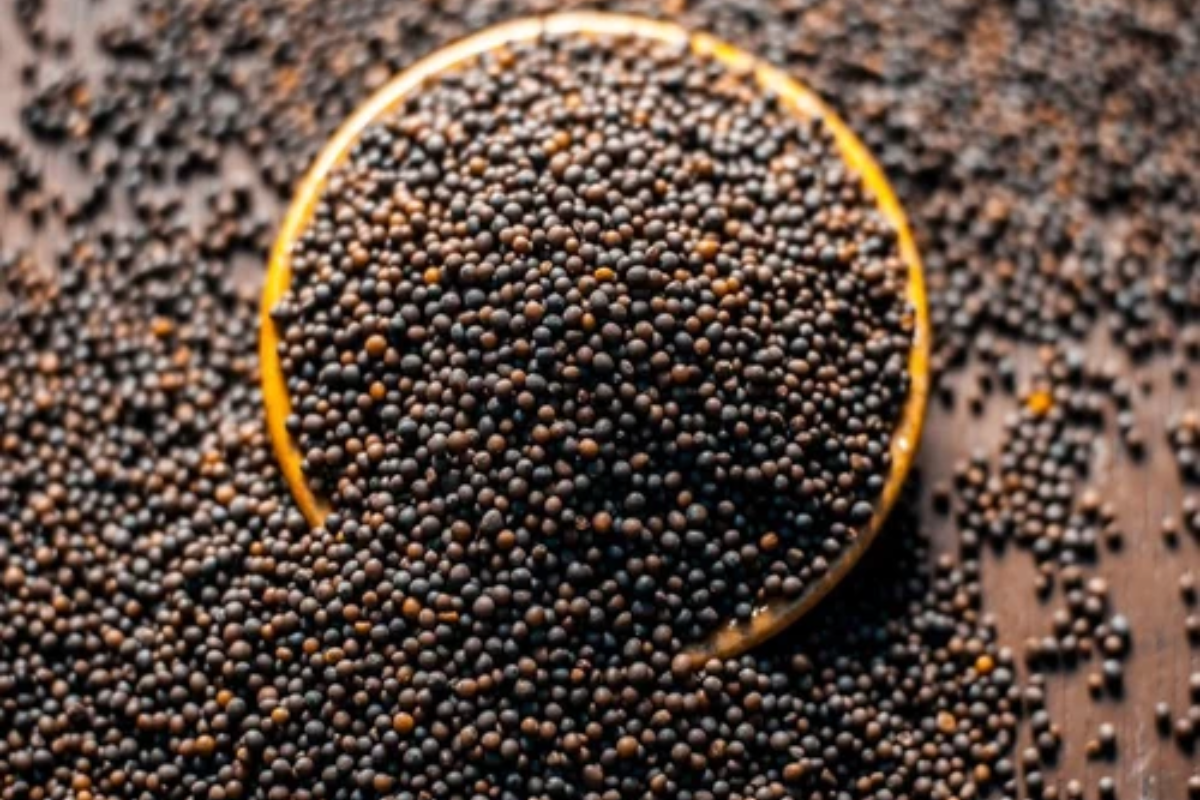
If a plant pathologist in New Delhi is trying to breed a variety of mustard that can withstand sudden winter heat spikes, they no longer have to start from scratch. Through the BRICS Agricultural Research Platform, they can request specific genetic sequences or physical germplasm from China or South Africa, where similar heat-stress problems may have already been solved at the molecular level.
Decoding the Climate-Smart Seed
What exactly are these scientists sharing, and how does it translate into a “survival kit” for the farmer? The focus is entirely on identifying, isolating, and transferring specific genetic traits that allow plants to survive extreme stress.
1. Drought Tolerance and Root Architecture
When water becomes scarce, a plant’s survival depends on its unseen architecture beneath the soil. Brazilian scientists at EMBRAPA have spent decades mastering agriculture in the Cerrado—a vast, unforgiving tropical savanna. They have isolated specific gene expressions in crops that trigger the growth of deeper, more aggressive root systems capable of tapping into subterranean moisture reserves during prolonged dry spells. By sharing this biological data with ICAR, Indian scientists can graft these deep-root genetic traits into domestic oilseeds or pulses, creating crops that can endure a delayed monsoon without catastrophic yield loss.
2. Thermal Regulation and Heat Stress
As global average temperatures rise, crops like wheat face severe thermal stress, which damages the proteins necessary for grain development. The collaborative genome network is actively mapping the DNA of ancient, indigenous landraces—wild ancestors of modern crops that naturally grew in scorching climates. By identifying the exact genes that allow these wild plants to regulate their stomata (the microscopic pores on leaves) and prevent excessive water loss during a heatwave, scientists can breed new, high-yield varieties that refuse to wilt when the thermometer breaches 40 degrees Celsius.
3. Salinity Tolerance for Rising Sea Levels
In coastal farming zones, rising sea levels and extreme cyclones are pushing saltwater further inland, poisoning the soil. Chinese agronomists at CAAS have made massive breakthroughs in “seawater rice”—strains genetically adapted to thrive in highly saline conditions. Through the BRICS network, the genetic markers that provide this salinity tolerance are being shared to develop resilient crop varieties for the vulnerable coastal belts of India and South Africa, turning wasteland back into productive farmland.
Visual Cue for Video/Editorial: Split screen showing a drone’s top-down view of two adjacent fields. One is brown and withered (traditional seed), while the other is vibrantly green (climate-adapted seed), emphasizing the undeniable power of genetic engineering over uncontrollable weather.
The Soy, The Millet, and the High-Value Future
This biological exchange is not limited to theoretical lab work; it is actively reshaping what is grown and how it is cultivated.
Take the soybean, a critical global commodity. Brazil is a global powerhouse in soy production, possessing vast genetic libraries of soybean strains adapted to various extreme microclimates. India, looking to reduce its massive edible oil import bill, needs to rapidly expand its domestic oilseed production in regions with erratic rainfall. The cross-pollination of EMBRAPA’s drought-resistant soy genetics with ICAR’s localized breeding programs represents a direct transfer of climate resilience.
Simultaneously, India is exporting its own biological mastery. Millets (Shree Anna), native to the Indian subcontinent and parts of Africa, are the ultimate climate-survival crops. They require a fraction of the water needed for rice, thrive in poor soil, and pack a massive nutritional punch. ICAR has mapped the genomes of various millet species, identifying the specific genetic sequences responsible for their extreme hardiness. Through the BRICS network, India is sharing this genetic blueprint, helping nations like Russia and China integrate these ancient grains into their own food security strategies as the planet warms.
Beyond staples, the open-source seed bank is revolutionizing high-value, commercial agriculture. As farmers look to diversify their income, there is a massive push toward horticulture—crops like avocados, dragon fruit, and advanced citrus varieties. Historically, cultivating these crops required highly specific, stable climates. Today, shared biotechnology is allowing scientists to tweak the genetics of these lucrative crops, creating dwarf varieties that consume less water, resist local pests, and can be grown in the shifting climates of the Global South. This allows a smallholder farmer in an arid region to transition from low-margin, high-risk traditional crops to high-margin, climate-adapted commercial farming.
The Farmer’s Takeaway: A Shift in Dependence
For the everyday farmer looking at a dry sky, the implications of this open-source genome network are profound. It represents a fundamental shift in the very nature of agricultural risk.
For 10,000 years, the farmer’s greatest ally and most terrifying enemy was the weather. A good harvest was entirely dependent on meteorological luck—the right amount of rain at exactly the right time. Today, that dependency is pivoting. The farmer of the 21st century will not rely solely on the rain; they will rely on the resilience engineered inside the seed.
When a farmer purchases a sack of seed developed through this transcontinental biological alliance, they are not just buying a plant. They are buying a microscopic survival kit. They are buying the drought resistance perfected in the Brazilian savanna, the heat tolerance mapped from an ancient Indian grain, and the yield efficiency engineered in a Chinese laboratory.
The BRICS biological network guarantees that the intellectual property of food security remains in the hands of the developing world. By tearing down the patent walls and treating genetic data as a shared survival mechanism, these nations are ensuring that as the climate changes, the crops will adapt faster than the weather can destroy them. The future of farming is being written in the language of DNA, and for the first time, the Global South is holding the pen.
Also Read: Punarnava Jal – The world’s first organic fertilizer! Know how it is beneficial for farmers?
Contact us – If farmers want to share any valuable information or experiences related to farming, they can connect with us via phone or whatsapp at 9599273766 or you can write to us at “kisanofindia.mail@gmail.com”. Through Kisan of India, we will convey your message to the people, because we believe that if the farmers are advanced then the country is happy.
You can connect with Kisan of India on Facebook, Twitter, and Whatsapp and Subscribe to our YouTube channel.
