



For many people, a government job offers financial security and a stable career. Nabanita Das of Jorhat, Assam, chose a different path. In 2010, she left her job as an assistant nurse at a government hospital and returned to farming, eventually building a diversified organic farm that now attracts young people who want to learn about agriculture.
Nabanita came from a farming family and had always been interested in agriculture. After leaving her job, she realised that she needed formal training because she did not know enough about modern farming methods. Her journey shows how training and diversification can help a farmer build a business around several agricultural activities.
Training Changed Her Approach to Farming
Nabanita joined a horticulture training programme organised by the Assam Agriculture Department in 2014. She also attended several other training programmes to improve her knowledge of farming.
After receiving training, she expanded beyond traditional crop cultivation. She began experimenting with fish farming and animal husbandry while continuing to grow crops. These additional activities helped her make better use of the resources available on her farm.
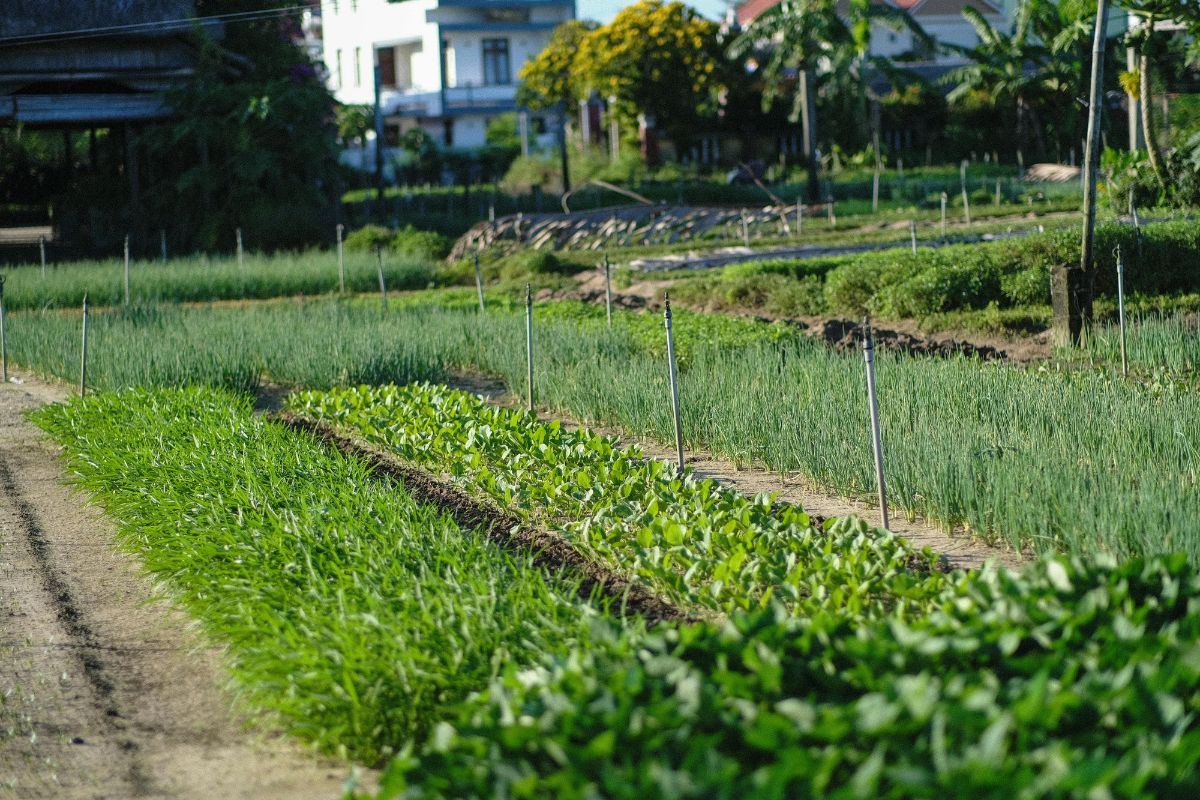
Her farm eventually developed into what Kisan of India describes as a small agriculture centre. She named it Nabanita Organic Farm, where she combines crop production, livestock, poultry, fish farming and other activities.
One Farm, Many Sources of Income
Nabanita grows fruits, flowers, vegetables, pulses, oilseeds and traditional crops. She also cultivates aromatic rice varieties including Teki Joha, Kunkuni Joha and Kola Joha.
Her farm also includes Manipur’s black rice, which can be used to prepare different value-added products. She keeps several breeds of chickens, including Kadaknath, as well as indigenous and foreign varieties of pigeons and ducks.
She has also adopted vertical farming, using ropes and bamboo structures to grow vegetables in limited space. A vermicompost unit on the farm helps convert organic material into manure.
This diversified approach allows her to generate income from different agricultural activities rather than depending on a single crop.
Organic Farming Became Her Main Income
Nabanita says organic farming has lower cultivation costs and can provide good-quality produce with strong market demand. She sells chemical-free products to buyers from Assam and other states, with customers contacting her directly.
According to her account published by Kisan of India, her income increased sharply after she received agricultural training. Before 2014, she earned around ₹4,000. She made a profit of ₹30,000 in her first year after training, followed by ₹56,000 in 2015, ₹96,000 in 2016, ₹1.10 lakh in 2017 and ₹1.25 lakh by the end of 2019.
The figures show how improving technical knowledge and expanding farm activities changed the economics of her enterprise.
From Farmer to Trainer
Nabanita’s work has also earned recognition. She received several awards, including the Innovative Rice Farmer Award from ICAR in 2018 and the Progressive Mahila Kisan Puraskar during the same year. She was also honoured by then Vice President Venkaiah Naidu in 2018.
Her farm now attracts young people who want to learn about agriculture. Farmers and aspiring agricultural entrepreneurs visit to understand organic cultivation, diversified farming and the use of limited farm space.
Nabanita’s journey offers a practical lesson for farmers looking to reduce dependence on one crop or one source of income. Her model combines organic cultivation with horticulture, rice, livestock, poultry, fish farming, vermicomposting and vertical farming. It also shows how agricultural training can help farmers turn a small farm into a diversified rural enterprise.
Also Read: Punarnava Jal – The world’s first organic fertilizer! Know how it is beneficial for farmers?
Contact us – If farmers want to share any valuable information or experiences related to farming, they can connect with us via phone or whatsapp at 9599273766 or you can write to us at “kisanofindia.mail@gmail.com”. Through Kisan of India, we will convey your message to the people, because we believe that if the farmers are advanced then the country is happy.
You can connect with Kisan of India on Facebook, Twitter, and Whatsapp and Subscribe to our YouTube channel.