


Indigenous Microbial Cultures Are Helping Farmers Cut Input Costs Naturally

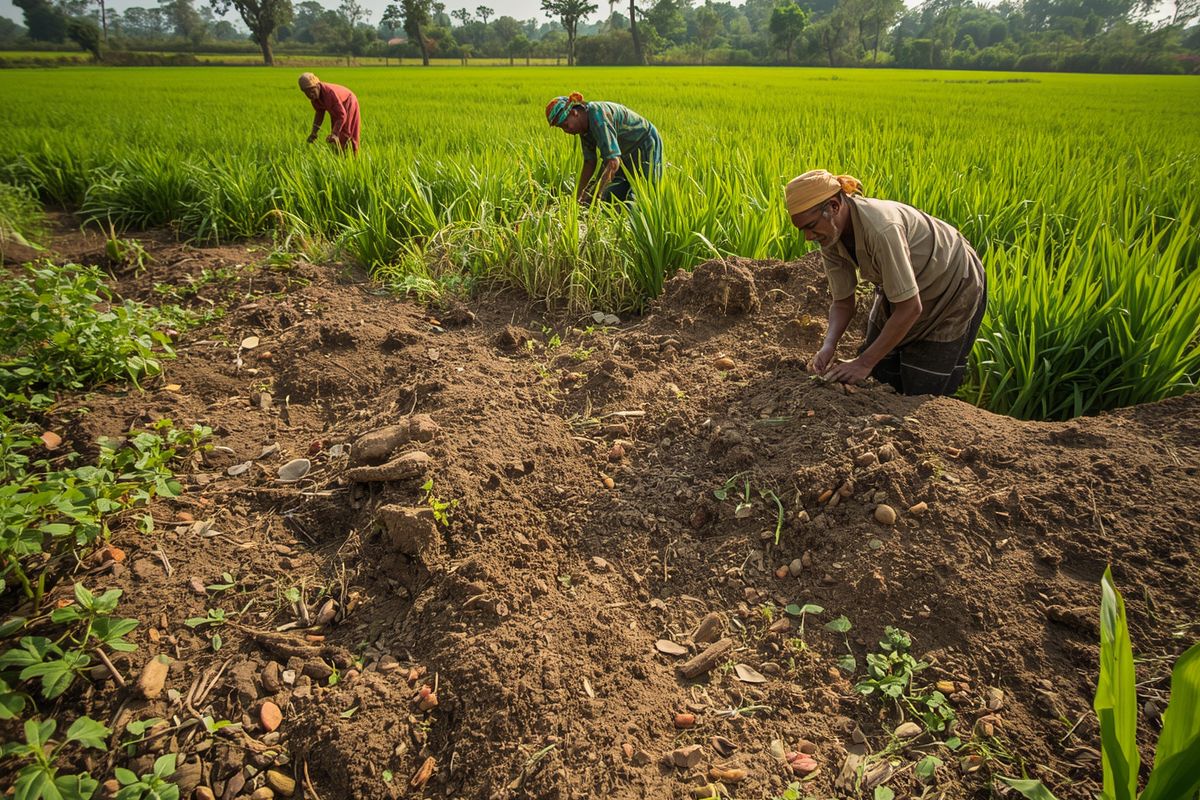
As cultivation costs continue to rise, many farmers are looking for ways to reduce dependence on purchased fertilisers and soil amendments. One approach gaining attention is the use of indigenous microbial cultures prepared from locally available materials. These cultures contain beneficial microorganisms that help improve nutrient availability and support soil biological activity.
Unlike commercial products that often require regular purchases, indigenous microbial preparations can be produced on farms using simple ingredients and local resources. This makes them attractive for small and marginal farmers seeking cost-effective solutions.
Researchers studying soil ecology note that healthy microbial populations play a major role in maintaining productive agricultural systems.
Much of the nutrient movement within soil depends on microscopic organisms. Bacteria, fungi, and other beneficial microbes help break down organic matter and convert nutrients into forms that plants can absorb.
When microbial activity declines, nutrient availability often becomes less efficient. Indigenous microbial cultures aim to strengthen these biological processes by increasing populations of beneficial organisms within the soil.
Agricultural scientists increasingly emphasise that soil fertility depends not only on chemical nutrients but also on biological health.
Farmers Reduce Dependence on Purchased Inputs
One of the main reasons for growing interest in microbial preparations is cost reduction. Many farmers face increasing expenses related to fertilisers and soil amendments. Locally prepared microbial cultures provide an alternative that requires relatively small investments.
Farmers using these systems often combine them with compost, crop residues, and other organic materials. Together, these resources create a more self-reliant production system that relies less on external inputs.
Researchers note that reducing production costs can improve profitability even when yields remain unchanged.
Healthy microbial activity contributes to better soil structure by helping bind soil particles together. Improved structure supports water infiltration, root growth, and moisture retention.
These benefits become increasingly important during periods of erratic rainfall and drought. Soils with strong biological activity often recover more effectively from environmental stress.
Climate adaptation experts frequently identify soil health improvement as one of the most practical long-term investments available to farmers.
Interest Growing Across Natural Farming Systems
Natural farming practitioners have played a major role in promoting indigenous microbial preparations. Training programmes in several states now include demonstrations showing farmers how to prepare and apply microbial cultures using local materials.
The approach fits well within broader efforts to encourage resource-efficient farming systems. As awareness grows, more farmers are experimenting with biological solutions alongside conventional management practices.
Researchers believe interest in soil biology will continue increasing as agriculture seeks sustainable ways to maintain productivity.
Building Fertility From the Ground Up
The growing use of indigenous microbial cultures reflects a shift in how farmers think about soil management. Instead of focusing only on adding nutrients, many are paying greater attention to the biological processes that make nutrients available.
For farmers, the approach offers an opportunity to lower costs and improve soil health simultaneously. For agriculture as a whole, it highlights the importance of working with natural processes rather than relying exclusively on external inputs.
Across India’s farms, millions of microorganisms are quietly helping build healthier soils, one field at a time.