


Japan’s Duck Farming Method Is Inspiring Natural Paddy Experiments in Asia

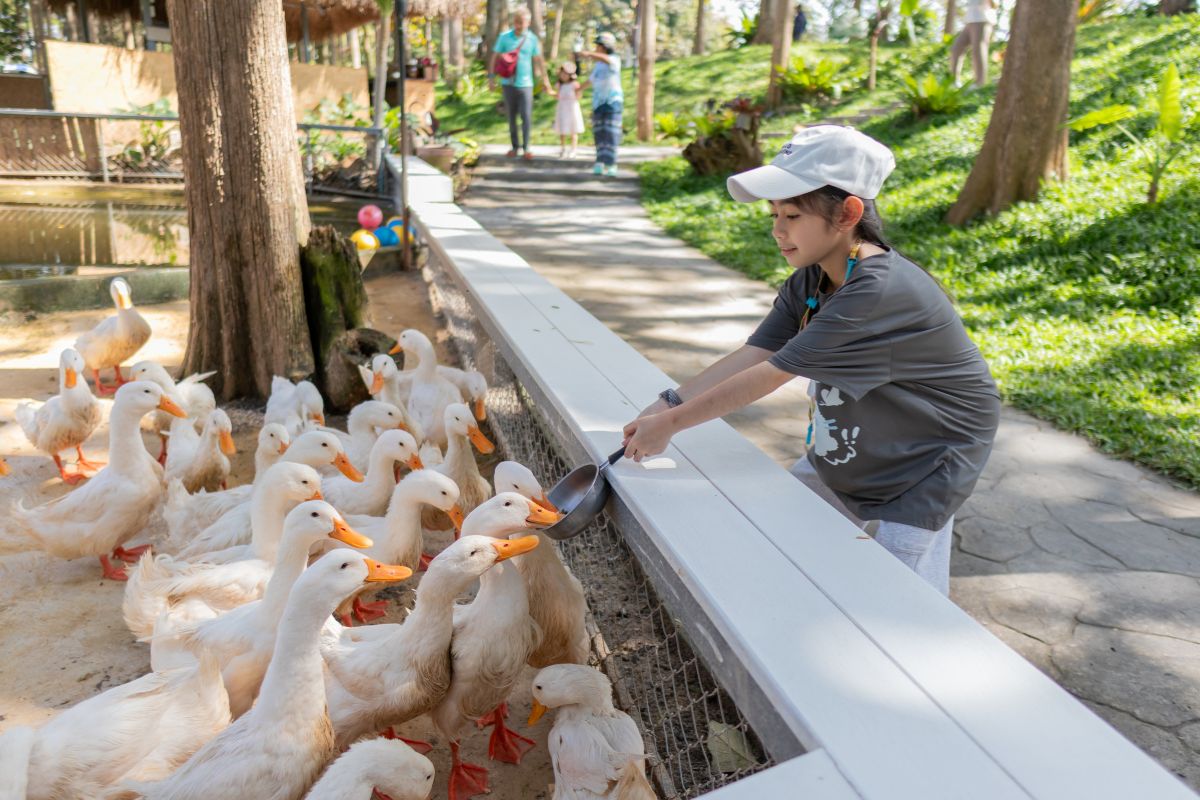
In parts of rural Japan, farmers still release ducks directly into paddy fields after rice transplantation. The birds move through shallow water eating weeds, insects, larvae, and pests while leaving rice plants mostly untouched.
The system looks simple.
But agriculture experts say it represents one of the most sophisticated natural farming methods developed inside traditional Asian agriculture.
Known internationally as the Aigamo farming system, the method combines ducks and rice cultivation in one integrated ecosystem where animals reduce pesticide use and improve soil fertility naturally.
Now the idea is attracting renewed attention across parts of Asia as farmers search for low-chemical farming alternatives under climate and soil pressure.
The ducks perform multiple functions simultaneously inside paddy ecosystems.
They:
- Eat insects and pests
- Control weed growth
- Stir water movement
- Add natural manure
- Improve oxygen flow inside flooded fields
Researchers studying integrated farming systems say the ducks reduce dependence on herbicides and pesticides while improving ecological balance inside rice farms.
Agriculture experts believe systems like these may become more important because farmers increasingly face rising fertilizer costs and declining soil health.
Modern revival of duck-assisted farming in Japan gained momentum during the late twentieth century when farmer Takao Furuno popularised integrated duck-rice cultivation as an ecological farming alternative.
The model later spread internationally through sustainable agriculture networks and organic farming movements.
Researchers say the system became influential because it combined productivity with ecological farming rather than rejecting cultivation entirely.
Some farmers also integrate fish farming alongside ducks and rice within the same wetland system.
Climate Change Is Reviving Interest in Low-Input Farming
Agriculture experts say integrated farming systems are returning to discussion partly because climate instability is exposing weaknesses in chemical-heavy monoculture agriculture.
Floods, heatwaves, water shortages, and declining biodiversity are increasing pressure on rice farming systems across Asia.
Researchers believe low-input ecological farming models may improve resilience because they rely more heavily on biological relationships rather than external chemical dependency.
Duck-assisted paddy farming also reduces some methane-producing weed growth inside flooded fields, though researchers continue studying its broader climate impact.
Variants of integrated duck-rice farming now appear in:
- Japan
- South Korea
- Vietnam
- Thailand
- China
- Indonesia
Some Indian natural farming groups and ecological agriculture researchers have also shown interest in adapting similar ideas for local rice systems.
Agriculture experts say integrated farming works best in smaller farming ecosystems where labour, water, and biodiversity remain closely connected.
Despite ecological advantages, duck-assisted farming is not simple.
Farmers must carefully manage:
- Duck timing
- Water depth
- Crop stage
- Predator risks
- Bird movement
Researchers say the system demands observation and labour compared to conventional herbicide-based farming.
Mechanised industrial agriculture reduced many integrated farming systems globally because chemical inputs appeared faster and easier for large-scale production.
Still, rising ecological concerns are forcing some farmers to revisit older agricultural knowledge systems again.
Biodiversity Is Returning to Farming Discussions
One major reason integrated farming attracts researchers today is biodiversity.
Modern monoculture farming often removes animals entirely from crop systems. Duck-rice farming works differently by treating livestock, insects, water, and crops as connected parts of one ecological cycle.
Agriculture experts increasingly argue that future farming systems may need to rebuild biodiversity rather than eliminate it completely.
Some ecological rice farms now market duck-grown rice at premium prices linked with organic and sustainable food markets.
For decades, agricultural modernisation focused heavily on:
- Mechanisation
- Chemical inputs
- Hybrid seeds
- Industrial scale production
Now researchers are beginning to re-evaluate older systems once viewed as inefficient.
Japan’s duck farming model shows how traditional agriculture often contained ecological logic developed through long-term observation of natural systems.
As climate pressure and soil degradation increase globally, agriculture experts say future farming may depend partly on rediscovering those older relationships between animals, crops, water, and land.
Also Read: Punarnava Jal – The world’s first organic fertilizer! Know how it is beneficial for farmers?
Contact us – If farmers want to share any valuable information or experiences related to farming, they can connect with us via phone or whatsapp at 9599273766 or you can write to us at “kisanofindia.mail@gmail.com”. Through Kisan of India, we will convey your message to the people, because we believe that if the farmers are advanced then the country is happy.
You can connect with Kisan of India on Facebook, Twitter, and Whatsapp and Subscribe to our YouTube channel.