

Natural Farming: What Farmers Need To Know Before Switching From Chemical Inputs

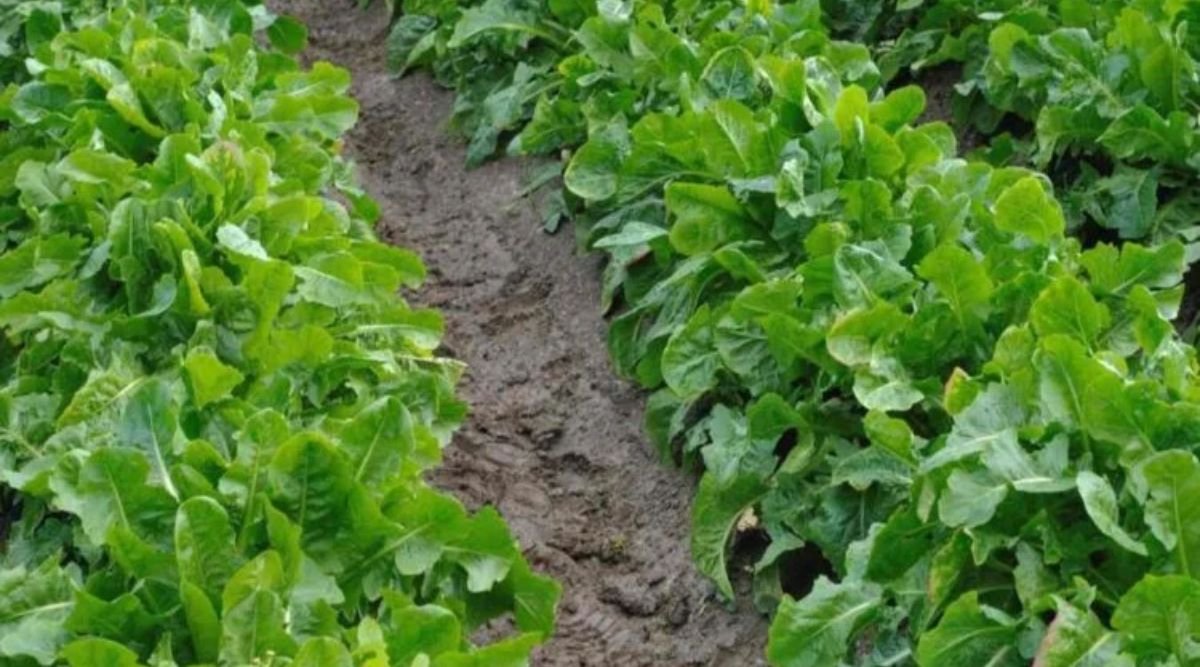
Natural farming is expanding across India as farmers look for ways to manage soil health and reduce dependence on purchased agricultural inputs. The National Mission on Natural Farming promotes chemical-free farming based on crop diversity, livestock integration, biological processes and locally available resources.
The government’s current Rabi campaign is also promoting natural farming alongside balanced fertiliser use, crop diversification, water conservation and integrated farming. The campaign will run from October 22 to November 30 and includes farmer meetings, training programmes and field demonstrations at different administrative levels.
Natural farming is not simply stopping chemical fertilisers overnight. It involves changing how farmers manage soil, nutrients, pests, crop residues and water. The approach encourages biological nutrient cycling and the use of farm-based inputs while maintaining crop diversity and integrating livestock where suitable.
ICAR-MGIFRI recently organised a two-day training programme on natural farming and PGS-India certification in Motihari, Bihar. Participants included farmers, KVK specialists, ATMA officials and members of Farmer Producer Organisations, showing the growing focus on technical training before wider adoption.
Training covered crop diversification, residue mulching, non-chemical weed management, soil organic matter and biological nutrient cycling. Farmers were also introduced to Beejamrit, Jeevamrit and Ghanjeevamrit, along with ecological pest management. The focus was on using locally adaptable practices rather than following one identical method everywhere.
Soil Health Comes First
Natural farming places strong emphasis on soil health. Farmers can use crop residues, composting, mulching and biological processes to return organic matter to fields. These practices can improve the soil’s ability to retain moisture and support biological activity, which matters during periods of rainfall uncertainty.
Soil testing remains useful even when farmers move towards natural farming. Knowing nutrient deficiencies can help farmers avoid applying inputs blindly. The government says more than 25.89 crore Soil Health Cards have been generated since the scheme began, supporting more informed nutrient management across farming regions.
Crop diversification is another important part of the approach. Farmers can combine cereals with pulses, oilseeds, vegetables or horticultural crops according to local conditions. Diversification can spread production risk while improving the use of soil nutrients, water and available farm resources.
Livestock can also become part of the system. Natural farming recognises links between soil, water, plants, animals and farm management. Manure can contribute to nutrient cycling, while crop residues can be used within the farm where appropriate. This creates a more connected farming system.
One reason farmers consider natural farming is the possibility of reducing dependence on purchased inputs. Farm-prepared biological inputs can replace some externally purchased products in suitable systems. Yet farmers should calculate labour, preparation, materials, crop yields and market prices before deciding whether the approach improves their overall economics.
Natural farming also requires knowledge. Farmers need to understand when and how to prepare inputs, manage weeds, monitor pests and maintain soil cover. Poor application or unsuitable practices can affect crop performance. Local KVKs, agricultural universities and trained community resource persons can provide technical guidance.
Under the National Mission on Natural Farming, 527 KVKs, 76 agricultural universities and 194 local natural farming institutes have been identified to support farmers. More than 33,000 Krishi Sakhis and community resource persons have also been trained under the mission.
Certification Can Open Market Opportunities
Farmers selling produce as certified organic or under specific natural-farming claims need to understand certification requirements. PGS-India is one participatory certification system discussed during recent ICAR training. It involves standards, documentation, peer inspection and collective responsibility among participating farmers.
Certification does not automatically guarantee a higher price. Farmers still need buyers, reliable markets and consistent production. Farmer Producer Organisations can help groups with aggregation, documentation, marketing and market connections, especially when individual farmers produce small quantities.
The government reported that natural farming clusters covered 8.80 lakh hectares and included 18.19 lakh farmers as of March 2026. These numbers show that the practice is moving beyond isolated farms, although results can vary according to crops, soil, climate and management.
Farmers interested in natural farming do not need to change their entire holding at once. A practical option is to begin with a small area, record input costs and yields, and compare results with existing practices. This can help farmers understand what works under their local soil and climate conditions.
The strongest approach is to combine traditional knowledge with scientific guidance. Soil testing, crop planning, weather information, pest monitoring and proper farm records can help farmers make better decisions. Natural farming can support soil health and resilience, but successful adoption depends on careful management rather than simply eliminating chemical inputs.
Also Read: Punarnava Jal – The world’s first organic fertilizer! Know how it is beneficial for farmers?
Contact us – If farmers want to share any valuable information or experiences related to farming, they can connect with us via phone or whatsapp at 9599273766 or you can write to us at “kisanofindia.mail@gmail.com”. Through Kisan of India, we will convey your message to the people, because we believe that if the farmers are advanced then the country is happy.
You can connect with Kisan of India on Facebook, Twitter, and Whatsapp and Subscribe to our YouTube channel.