

Scientists Are Designing Microbial Teams Instead of Single Biofertilisers

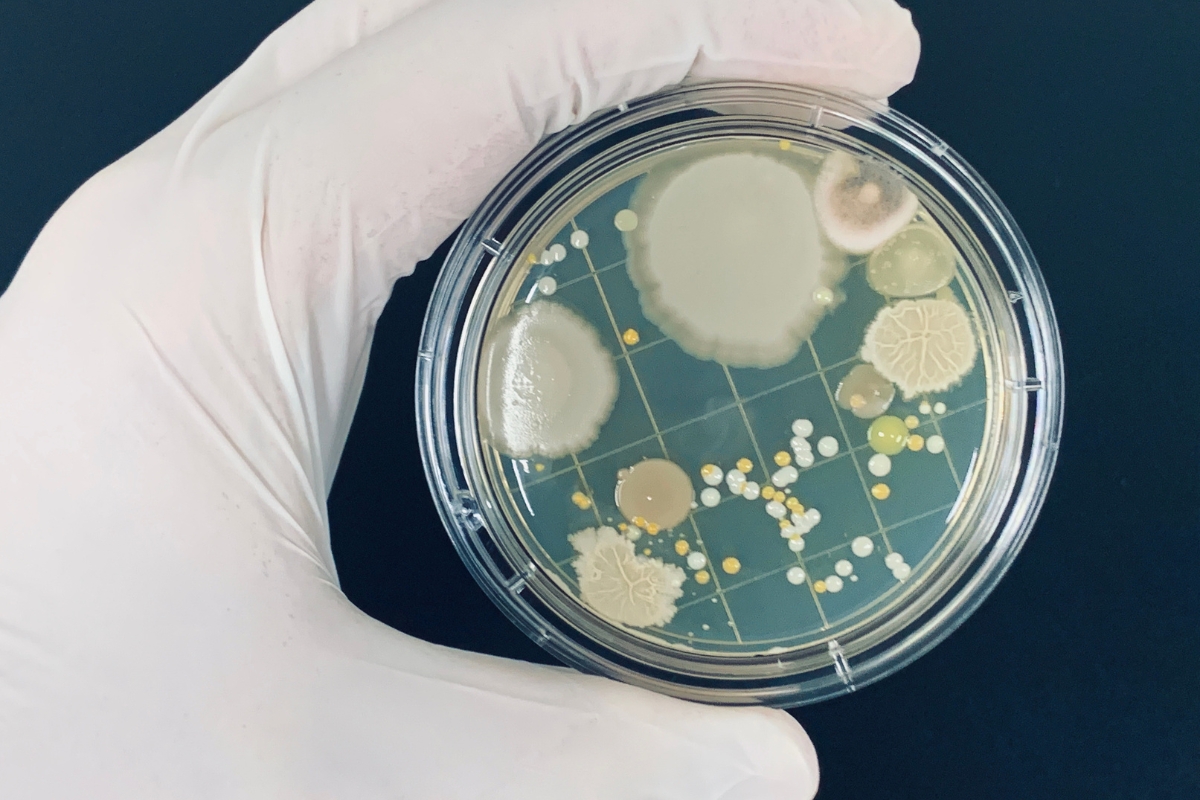
For decades, biofertilisers have relied on a single beneficial microorganism, such as Rhizobium or Azotobacter, to improve crop growth. Scientists now believe the next generation of biological farming inputs will not be a single microbe but carefully designed microbial communities, known as microbial consortia, where several beneficial microbes work together.
Research published in 2026 shows these microbial teams can perform multiple functions at once, including fixing nitrogen, improving phosphorus availability, protecting roots from diseases and helping crops tolerate drought. Instead of depending on one organism that may fail under field conditions, scientists are designing balanced microbial communities that remain effective in different environments.
Many biofertilisers perform well in laboratories but produce inconsistent results on farms.
One reason is that a single microorganism struggles to survive against thousands of naturally occurring soil microbes. Changes in soil type, moisture and temperature can further reduce its effectiveness.
Researchers believe combining complementary microorganisms makes biological inputs more stable and reliable under real farming conditions.
A Team Where Every Microbe Has a Job
Scientists compare microbial consortia to a well-organised farming team.
One microbe fixes atmospheric nitrogen, another releases phosphorus locked in the soil, another produces plant-growth hormones, while others suppress disease-causing fungi or improve drought tolerance.
Instead of competing, these microbes support one another and create a healthier environment around plant roots. This systems-based approach is emerging as one of the biggest advances in biological agriculture.
Recent field studies have shown that microbial inoculants used alongside balanced fertiliser management can improve soil biological activity, nutrient availability and crop performance.
Researchers say the goal is not to eliminate chemical fertilisers overnight but to make them more efficient while improving long-term soil health.
India is already one of the world’s largest users of biofertilisers, but most products still contain only one or two microbial strains.
The next opportunity lies in developing multi-microbe formulations tailored to different crops and agro-climatic zones. Institutions such as ICAR, agricultural universities and Indian biotech companies are already researching advanced microbial formulations for climate-resilient farming.
States with intensive cultivation, including Punjab, Haryana, Maharashtra, Karnataka, Madhya Pradesh and Telangana, could particularly benefit from microbial consortia that improve nutrient-use efficiency while reducing dependence on chemical fertilisers.
The Future of Organic Farming May Be Invisible
The biggest breakthrough in organic farming may not come from a new machine or a new crop, but from billions of beneficial microorganisms working together beneath the soil.
As scientists learn how microbial communities interact with crops, microbial consortia could become the next generation of biofertilisers—helping farmers produce healthy crops while building healthier soils for the future.
Also Read: Punarnava Jal – The world’s first organic fertilizer! Know how it is beneficial for farmers?
Contact us – If farmers want to share any valuable information or experiences related to farming, they can connect with us via phone or whatsapp at 9599273766 or you can write to us at “kisanofindia.mail@gmail.com”. Through Kisan of India, we will convey your message to the people, because we believe that if the farmers are advanced then the country is happy.
You can connect with Kisan of India on Facebook, Twitter, and Whatsapp and Subscribe to our YouTube channel.