


Vermicomposting in Organic Farming: 7 Steps to Turn Farm Waste Into Useful Manure

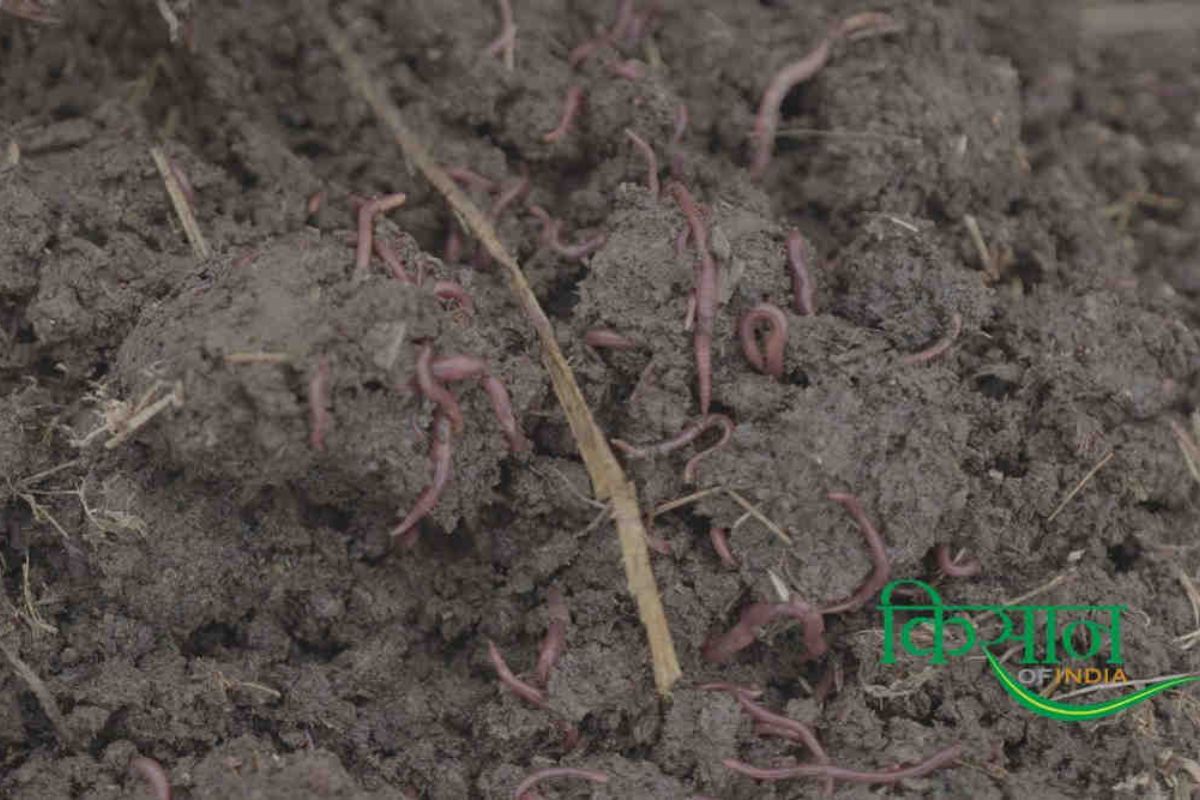
Farmers often have access to crop residues, dry leaves and animal dung that can be converted into useful organic manure. Vermicomposting uses earthworms and microorganisms to break down suitable organic materials into a nutrient-containing soil amendment. ICAR-KVK North Goa demonstrated the method in July 2026, covering material preparation, moisture management and harvesting.
Vermicompost can support soil management and recycle farm waste, but its quality depends on the materials used and how the composting bed is maintained. It is not a guaranteed replacement for every fertiliser requirement. Farmers should consider soil-test results, crop needs and the nutrient content of their finished compost before deciding application rates.
1. Choose suitable organic materials
Farmers can use partially decomposed crop residues, dry leaves and well-managed animal dung to prepare vermicompost. The material should be free from plastic, glass, chemical containers and other contaminants. A suitable mixture gives earthworms food while allowing air to move through the composting bed.
Fresh poultry litter should not be added directly to a worm bed without suitable pre-treatment. ICAR research shows that poultry litter can be converted into compost with materials such as sawdust or dry leaves before earthworms are introduced. This treatment helps reduce the risk of conditions that harm the worms.
2. Select a shaded, well-drained site
Choose a location protected from direct sunlight, heavy rain and waterlogging. Earthworms need moisture and air, while excessive heat or standing water can damage the composting process. A site near a reliable water source makes regular moisture checks easier and reduces the labour needed to maintain the beds.
Farmers can use suitable pits, raised beds or containers, depending on the available space and the amount of waste generated. The structure should allow drainage and ventilation. During the rainy season, a protective roof or cover can help prevent heavy rainfall from flooding the bed and washing nutrients away.
3. Prepare the material before adding worms
Allow fresh organic waste and dung to undergo partial decomposition before introducing earthworms. Fresh material can heat up as microorganisms break it down, creating conditions that may harm worms. Farmers should wait until the material has cooled and is suitable for worm activity rather than adding worms immediately after filling the bed.
The preparation period varies with the ingredients, temperature and management method. ICAR’s poultry-litter research illustrates why pre-composting matters: the material was composted before earthworms were introduced. Farmers handling different waste mixtures should seek guidance from their Krishi Vigyan Kendra before copying a specific recipe or timetable.
4. Maintain moisture without waterlogging
The compost bed should remain moist, but it should not become saturated. Farmers can check moisture by handling a small amount of material. If it feels dry and dusty, add water carefully. If water pools in the bed or the material smells strongly of decay, inspect drainage and airflow.
Check the bed more frequently during hot or dry weather and after heavy rain. Use a light spray instead of pouring large amounts of water at once. Excess water can reduce air movement, while dry conditions slow earthworm activity and decomposition. The correct watering schedule depends on local weather, bed design and material.
5. Protect earthworms from heat and disturbance
Earthworms work best when the bed remains within a suitable temperature range and has enough moisture and air. Keep the bed shaded and avoid turning it aggressively after worms have been introduced. Frequent disturbance can damage the worms and interfere with the decomposition process.
Check for ants, rodents, birds and other animals that may disturb the bed or feed on the worms. Use physical protection and keep the surrounding area clean. If the bed becomes unusually hot, dry or foul-smelling, identify the cause before adding more material or water.
6. Harvest only when the compost is mature
Finished vermicompost generally looks dark, crumbly and relatively uniform, with much of the original material no longer recognisable. Its smell should be earthy rather than strongly rotten. Do not judge maturity by a fixed number of days alone, because the ingredients and environmental conditions influence how quickly decomposition proceeds.
Separate the finished compost from the earthworms using a suitable method, then store it in a clean, shaded place. Avoid leaving it exposed to intense sunlight or heavy rain. If farmers are producing compost for sale, periodic testing can help them assess nutrient content and consistency between batches.
7. Apply vermicompost according to crop needs
Use vermicompost as part of a planned nutrient-management programme rather than applying the same quantity to every crop. Application requirements differ between vegetables, fruit crops, cereals and nursery plants. Soil testing and local agricultural recommendations can help farmers decide how much organic manure to use.
Farmers should also account for nutrients supplied by farmyard manure, crop residues and other inputs. Vermicompost quality varies with the feedstock and production method, so its nutrient content should not be assumed to be identical across farms. For crop-specific advice, contact a local KVK or agricultural university.
Vermicomposting gives farmers a practical way to recycle suitable farm waste and produce organic manure. Clean raw materials, pre-composting, shade, careful moisture management and proper harvesting are central to the process. Small batches can help farmers learn the method before investing in larger beds or commercial production.
The benefits depend on compost quality, crop requirements and the cost of labour and materials. Farmers should keep records of inputs, preparation time and application results. For technical guidance, ICAR and local KVKs offer demonstrations that can help growers adapt vermicomposting to their farm conditions.
Also Read: Punarnava Jal – The world’s first organic fertilizer! Know how it is beneficial for farmers?
Contact us – If farmers want to share any valuable information or experiences related to farming, they can connect with us via phone or whatsapp at 9599273766 or you can write to us at “kisanofindia.mail@gmail.com”. Through Kisan of India, we will convey your message to the people, because we believe that if the farmers are advanced then the country is happy.
You can connect with Kisan of India on Facebook, Twitter, and Whatsapp and Subscribe to our YouTube channel.