



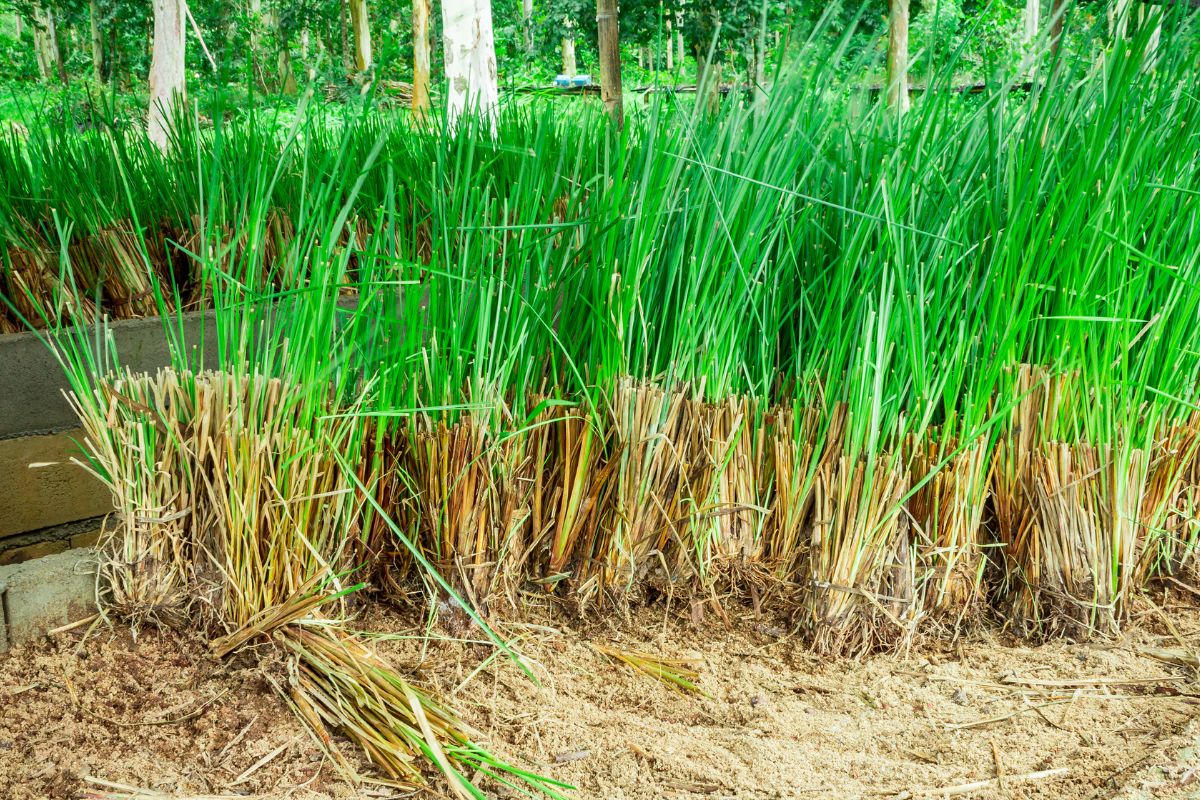
Across many parts of Asia and Africa, farmers are facing a common challenge. Soil erosion is steadily reducing the productivity of agricultural land. Heavy rainfall, strong winds, and poor land management practices can remove fertile topsoil, making cultivation more difficult and increasing production costs over time.
In response, many farmers are turning to vetiver grass, a deep-rooted perennial plant known for its remarkable ability to stabilise soil. While originally promoted as a conservation tool, vetiver is now emerging as a crop that can provide both environmental and economic benefits.
Its growing popularity reflects a broader shift toward farming practices that protect natural resources while supporting rural livelihoods. Farmers are increasingly recognising that conservation and profitability do not have to be separate goals.
Deep Roots Protect Valuable Topsoil
Vetiver is best known for its extensive root system, which can penetrate several metres into the soil. These roots form a natural barrier that helps prevent erosion on slopes, field boundaries, and vulnerable agricultural landscapes.
When heavy rains occur, soil often washes away from exposed land. Vetiver hedgerows slow water movement and help keep fertile soil in place. Researchers studying land degradation frequently highlight the grass as one of the most effective biological tools for erosion control because it performs consistently across a wide range of environmental conditions.
The benefits become particularly important in hilly regions where topsoil losses can significantly affect agricultural productivity. Protecting soil today helps secure future harvests.
Water Conservation Supports Crop Production
Beyond erosion control, vetiver contributes to improved water management. By slowing surface runoff, the plant allows more rainwater to infiltrate the soil. This increases moisture availability and reduces the risk of water loss during heavy rainfall events.
Farmers often report that fields protected by vetiver barriers retain moisture more effectively than unprotected areas. In regions facing irregular rainfall patterns, improved water retention can make a substantial difference to crop performance and resilience during dry periods.
Agricultural experts increasingly view water conservation as a critical component of climate adaptation. Vetiver supports this goal while requiring relatively little maintenance after establishment.
New Markets Are Creating Income Opportunities
For many years, farmers planted vetiver primarily for environmental reasons. Today, commercial opportunities are expanding. The plant’s roots are widely used in the fragrance industry, where they are processed into essential oils valued for perfumes, cosmetics, and aromatherapy products.
This growing demand has created additional income streams for producers. Farmers who establish vetiver plantations for conservation purposes may also benefit from periodic root harvesting and sales to processors.
The combination of environmental protection and commercial value makes the crop particularly attractive. It demonstrates how conservation-oriented agriculture can generate direct economic returns.
Organic Farmers Are Leading Adoption
Organic farming systems frequently emphasise soil health, biodiversity, and resource conservation. Vetiver aligns closely with these principles and is increasingly being integrated into organic production landscapes.
Farmers use the grass to protect field boundaries, stabilise waterways, and reduce erosion around high-value crops. Because the plant requires minimal chemical inputs and performs well under diverse conditions, it fits naturally within organic farming strategies.
Researchers studying regenerative agriculture often cite vetiver as an example of how simple biological solutions can address multiple challenges simultaneously. The plant contributes to both environmental sustainability and farm productivity.
Climate Resilience Adds to Its Appeal
Climate change is increasing the frequency of extreme weather events in many agricultural regions. Intense rainfall, prolonged droughts, and shifting seasonal patterns are creating new risks for farmers.
Vetiver provides a practical adaptation tool because it helps stabilise landscapes under changing conditions. Fields protected from erosion recover more quickly after storms, while improved water retention supports crops during dry periods.
The grass does not eliminate climate risks, but it helps reduce vulnerability. This resilience is becoming one of its most valued characteristics among farmers and land managers.
A Conservation Crop With Commercial Potential
The rise of vetiver farming highlights an important lesson for modern agriculture. Some of the most valuable crops are not necessarily grown for food alone. Plants that protect soil, conserve water, and support environmental health can also create meaningful economic opportunities.
Farmers adopting vetiver are finding that conservation measures can strengthen both land productivity and household income. The crop’s ability to deliver multiple benefits from the same area of land is driving its growing popularity.
As agriculture faces increasing pressure from climate change and resource degradation, crops like vetiver are likely to become more important.
Across farms, hillsides, and riverbanks, this deep-rooted grass is proving that protecting the land can also be a profitable investment.
Also Read: Punarnava Jal – The world’s first organic fertilizer! Know how it is beneficial for farmers?
Contact us – If farmers want to share any valuable information or experiences related to farming, they can connect with us via phone or whatsapp at 9599273766 or you can write to us at “kisanofindia.mail@gmail.com”. Through Kisan of India, we will convey your message to the people, because we believe that if the farmers are advanced then the country is happy.
You can connect with Kisan of India on Facebook, Twitter, and Whatsapp and Subscribe to our YouTube channel.