



Across India’s dairy sector, farmers are facing a challenge that often goes unnoticed until it becomes expensive. Diseases, heat stress, reproductive problems, and changes in animal behaviour frequently develop days before visible symptoms appear. By the time a farmer identifies the issue, milk production may already have declined.
This delay can affect profitability significantly.
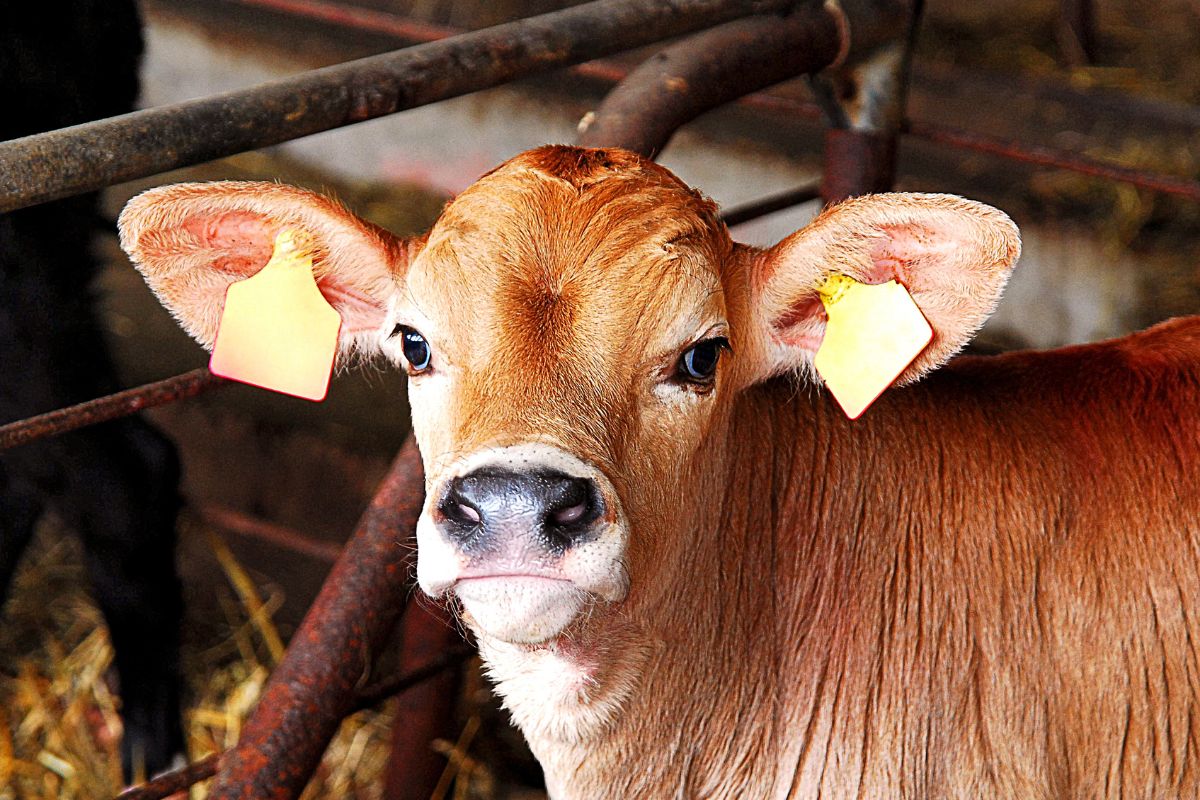
To address the problem, livestock technology companies are introducing AI-enabled ear tags that continuously monitor cattle activity and health indicators. These small devices collect information about movement, feeding patterns, body behaviour, and physiological changes throughout the day.
The technology allows farmers to identify potential health concerns earlier than traditional observation methods.
As dairy farming becomes more data-driven, smart livestock monitoring is gaining attention across major milk-producing states.
Animal health problems often begin gradually. A cow experiencing illness may eat less, move differently, or display subtle behavioural changes long before obvious symptoms become visible. Detecting these signs early is critical because treatment is generally more effective during initial stages.
AI-powered ear tags help farmers identify such changes quickly.
The devices analyse behavioural data and alert farmers when unusual patterns emerge. This allows timely veterinary intervention and reduces the risk of severe health complications.
Early action often prevents larger losses.
The economic benefits can be substantial.
Reproductive Management Improves
One of the most important applications of smart monitoring systems is heat detection. Many dairy farmers struggle to identify the optimal breeding period because behavioural signs can be brief or difficult to observe. Missing these indicators often delays conception and affects herd productivity.
AI-based monitoring systems track activity levels associated with reproductive cycles. When animals enter heat, farmers receive alerts that help them make better breeding decisions. Improved timing increases the likelihood of successful insemination.
The technology addresses a longstanding challenge in dairy management.
Accurate information improves efficiency.
Traditional livestock management depends heavily on experience and routine observation. While these skills remain important, modern monitoring systems provide an additional layer of information. Farmers can track animal activity continuously rather than relying solely on periodic inspections.
This data creates new opportunities for decision-making. Producers gain insights into herd performance, health trends, and management outcomes that were previously difficult to measure. Information becomes a management tool rather than simply a record.
Digital livestock farming is expanding rapidly.
Data plays a central role.
Early adoption was concentrated among larger dairy operations capable of investing in advanced technologies. Today, interest is spreading to smaller farms as equipment becomes more accessible and affordable. Cooperatives, dairy companies, and development programmes are also exploring ways to support adoption among smallholders.
India’s dairy sector consists primarily of small producers.
For this reason, technologies must demonstrate clear practical benefits if they are to achieve widespread acceptance. Farmers are increasingly evaluating tools based on measurable economic outcomes.
Health monitoring systems are attracting attention for exactly that reason.
Veterinary Services Become More Effective
Veterinarians often depend on information provided by farmers when diagnosing animal health issues.
Continuous monitoring systems improve this process by generating objective records of behavioural changes. Health professionals gain access to more detailed information before visiting a farm.
This can improve diagnosis and treatment planning.
Researchers note that technology is not replacing veterinary expertise. Instead, it strengthens decision-making by providing additional information about animal condition and behaviour.
The combination of human expertise and digital monitoring is proving valuable.
Both work better together.
India remains the world’s largest milk producer, and dairy farming supports millions of rural households. As production systems become more sophisticated, technologies that improve animal health and productivity are attracting growing interest. AI-enabled ear tags represent one example of this broader transformation. The devices help farmers detect diseases earlier, improve breeding management, and make better-informed decisions about herd care.
Their adoption remains at an early stage, but momentum is growing.
For dairy farmers, the most valuable benefit may be simple. Knowing that something is wrong before it becomes a serious problem can make all the difference.
Also Read: Punarnava Jal – The world’s first organic fertilizer! Know how it is beneficial for farmers?
Contact us – If farmers want to share any valuable information or experiences related to farming, they can connect with us via phone or whatsapp at 9599273766 or you can write to us at “kisanofindia.mail@gmail.com”. Through Kisan of India, we will convey your message to the people, because we believe that if the farmers are advanced then the country is happy.
You can connect with Kisan of India on Facebook, Twitter, and Whatsapp and Subscribe to our YouTube channel.