


AI Weather Advisories Are Reaching Farmers, Can They Help Decide When to Sow, Irrigate and Spray?

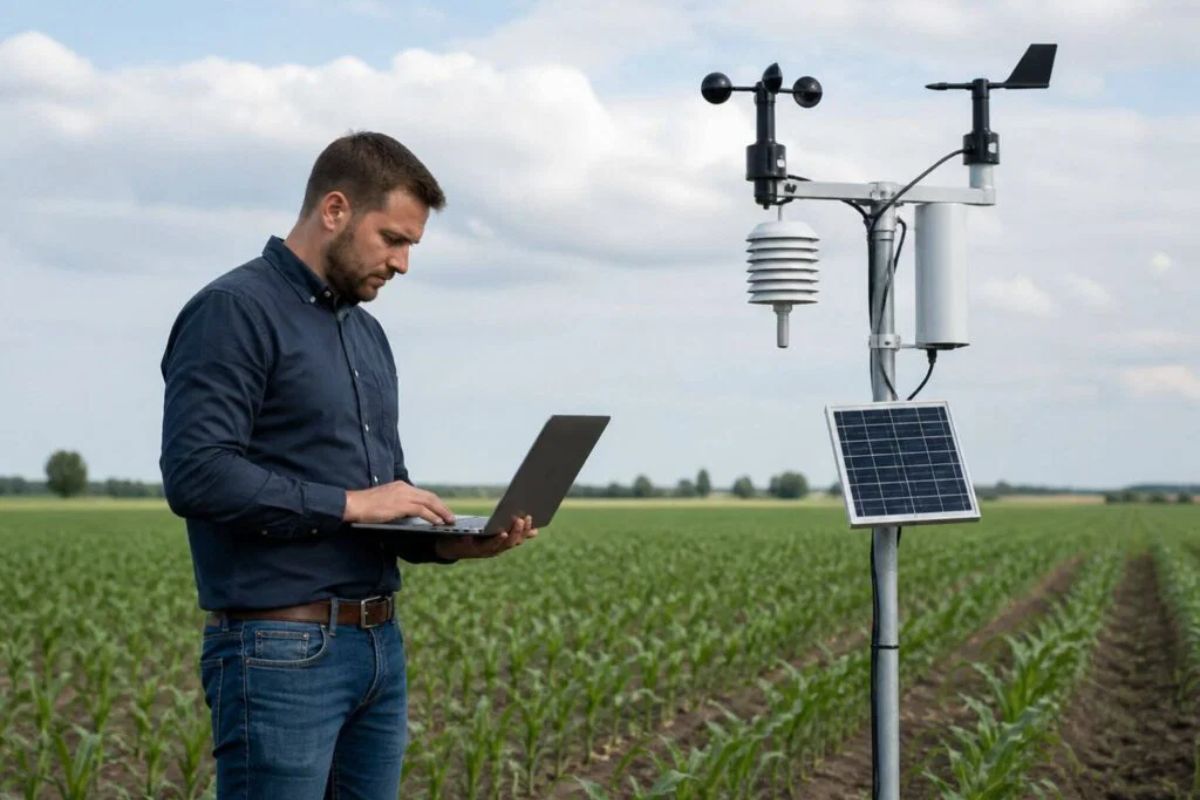
Weather can decide whether a crop succeeds or fails. A few days of unexpected rain can damage harvested grain, while a dry spell can affect germination. New AI-based weather tools are now helping Indian farmers receive more local information before making decisions about sowing, irrigation, spraying and harvesting.
The government conducted an AI-based pilot for local monsoon onset forecasts during Kharif 2025 across parts of 13 states. The forecasts combined artificial intelligence models with historical rainfall records and weather information. Messages were sent to more than 3.88 crore farmers through the M-Kisan portal in five regional languages.
How can AI help farmers make decisions?
The pilot focused on one important question: when is the monsoon likely to begin locally? This matters because farmers need suitable soil moisture before sowing. Government feedback from Madhya Pradesh and Bihar found that 31% to 52% of surveyed farmers changed planting decisions after receiving the forecasts.
The changes included adjustments in land preparation, sowing dates, crop selection and input choices. This shows where AI weather forecasts can become useful on farms. Instead of receiving only a general rainfall prediction, farmers can use local information to decide whether a field is ready for the next operation.
The government is now working to bring this capability into the national system. The 2026 framework involves the India Meteorological Department, Indian Institute of Tropical Meteorology and ISRO. The system is expected to combine weather models with AI to improve local monsoon onset information.
Weather advisories can also help after sowing. Farmers can use rainfall forecasts when deciding whether irrigation is needed. If substantial rain is expected, irrigation may be postponed. Forecasts can also help farmers avoid spraying pesticides or other crop protection products immediately before rainfall.
What is Bharat-VISTAAR?
Another major development is Bharat-VISTAAR, an AI-powered agricultural advisory platform launched in February 2026. The system is designed to provide information in Indian languages through digital services and telephone access. It brings together agricultural advice, weather information, market data and government scheme information.
According to the Agriculture Ministry, Bharat-VISTAAR had served more than three lakh farmers and handled over 72 lakh farmer queries by July 2026. It provides access to information covering 18 central government schemes, crop and livestock advice, weather forecasts, mandi prices and pest and disease identification.
The platform can also connect weather information with farm decisions. Its services include weather-based agronomy advice and information from the India Meteorological Department. Farmers can also receive recommendations linked to soil health and pest information, making the service broader than a simple weather forecasting application.
Can farmers use weather information before spraying?
Rainfall forecasts are particularly useful for crop protection. Spraying immediately before rain can wash chemicals from plant surfaces and reduce their usefulness. A farmer who receives a reliable rainfall warning can choose a better spraying window, where suitable, instead of spending money on an application likely to be affected by rain.
Weather information can also support harvesting decisions. Farmers approaching harvest can use rainfall forecasts to decide when to cut, dry or move produce. For crops that are sensitive to excess moisture, even a short period of advance warning can help reduce exposure to rain during critical farm operations.
The government says AI-based weather advisories had reached about 5.28 crore farmers by July 2026. IMD also provides district-level forecasts and shorter-term warnings. Its local weather services include rainfall, temperature, wind, humidity and other parameters that can help farmers plan daily operations.
What should farmers remember?
AI does not remove uncertainty from weather forecasting. Farmers should treat advisories as decision support rather than a guarantee. A forecast can indicate the probability of rain, but actual conditions can still differ between nearby villages or fields, especially during thunderstorms and other rapidly changing weather events.
Farmers should compare weather advisories with field conditions before acting. Soil moisture, crop stage, irrigation availability and local observations still matter. The most useful approach is to combine reliable weather information with advice from agricultural officers, Krishi Vigyan Kendras and other recognised farm experts.
AI weather advisories are becoming more practical because they are moving closer to the field. The biggest benefit may not come from predicting weather perfectly, but from giving farmers enough useful information to change the timing of important operations before bad weather arrives.
Also Read: Punarnava Jal – The world’s first organic fertilizer! Know how it is beneficial for farmers?
Contact us – If farmers want to share any valuable information or experiences related to farming, they can connect with us via phone or whatsapp at 9599273766 or you can write to us at “kisanofindia.mail@gmail.com”. Through Kisan of India, we will convey your message to the people, because we believe that if the farmers are advanced then the country is happy.
You can connect with Kisan of India on Facebook, Twitter, and Whatsapp and Subscribe to our YouTube channel.