



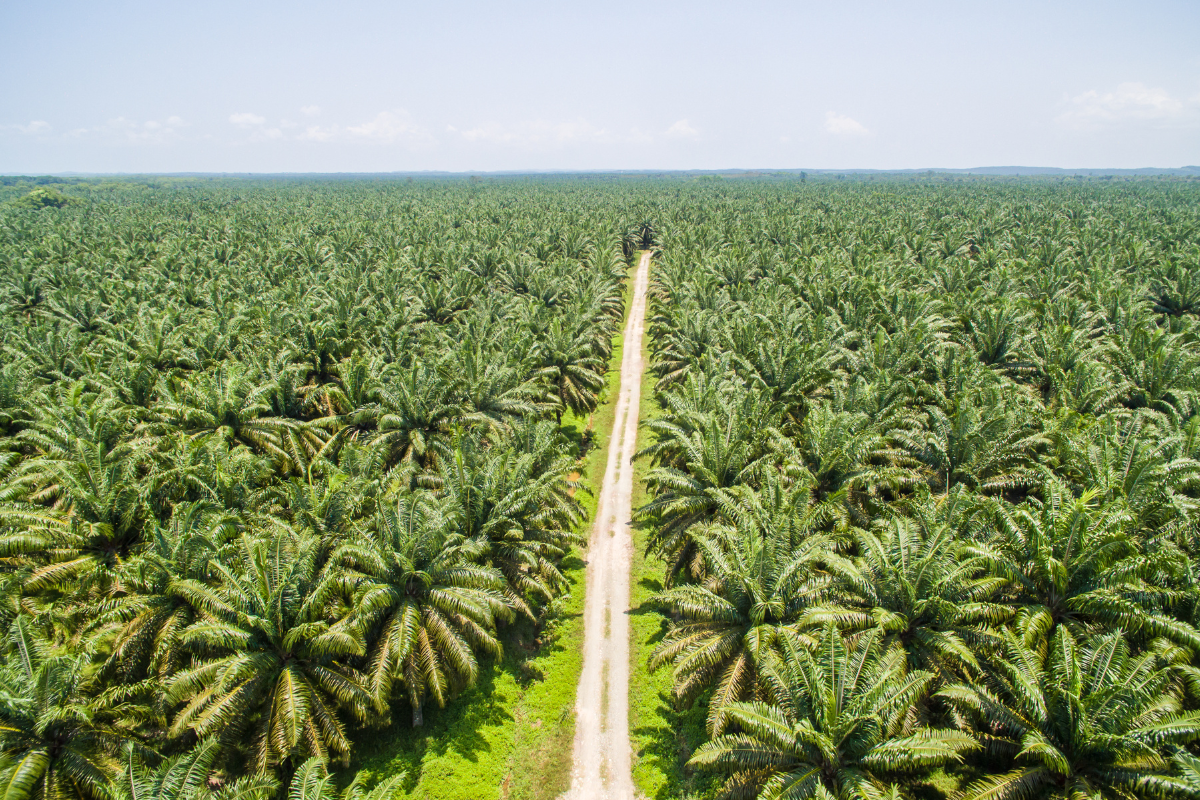
tea sector is beginning to use artificial intelligence and satellite technology to monitor plantations and identify crop problems earlier. The tools are being explored to detect crop stress, monitor pests and improve yield estimates at a time when tea growers face weather and labour pressures.
The idea is simple. Instead of waiting for a farmer or field worker to notice every problem, digital tools can analyse information from larger areas and identify locations that may need closer inspection. Farmers can then focus their attention where problems appear most likely.
A satellite cannot replace a farmer walking through a tea garden. But satellite images can help identify changes across large areas that may otherwise take time to inspect. Digital images can show differences in vegetation and crop conditions.
These changes may indicate water stress, poor crop growth or other problems. The information still needs ground verification. A satellite image can show where conditions are changing. It cannot always explain why the change occurred.
Artificial intelligence can process large amounts of information faster than manual analysis. In agriculture, this can include satellite images, sensor readings, weather data and crop observations.
Researchers can use these systems to identify patterns. For tea farming, the aim is to detect possible crop stress or pest problems earlier. Early detection matters because farmers may have more options before a problem spreads across a large plantation.
Crop stress is not always visible at first
A tea plant may begin experiencing stress before clear symptoms become visible to the human eye. Water shortages, temperature changes and nutrient problems can affect plant performance gradually.
Digital monitoring tools may help identify unusual changes in vegetation before they become widespread. This does not mean AI can diagnose every crop problem accurately. Farmers and experts still need to inspect the affected area and identify the actual cause. Technology can help identify where to look first.
Tea plantations can face pest problems that affect production and crop quality. Regular field monitoring requires time and labour, especially across large estates. Digital systems could help identify areas showing unusual changes that require inspection.
Farmers may then direct workers or crop experts to those locations. This could reduce unnecessary inspection across unaffected areas. The system still needs reliable field data. AI predictions are only as useful as the information used to train and operate them.
Accurate yield estimates can support decisions beyond the field. Farmers, estates and buyers can use production estimates to plan harvesting, labour and processing. Satellite and AI-based systems may help estimate crop conditions across larger areas. But weather can change quickly.
A strong crop estimate early in the season can change after drought, heavy rain or pest damage. Digital yield forecasting should therefore support field observations rather than replace them completely.
Precision agriculture is often associated with crops such as wheat, rice or maize. But India’s research programmes are also exploring its use across different agricultural systems.
ICAR’s Network Programme on Precision Agriculture is developing tools using sensors, remote sensing, drones, satellites, AI and other digital systems for crop and soil monitoring. This shows how digital agriculture is expanding beyond one crop. The technology can be adapted to different farming systems if researchers develop useful local applications.
Small farmers may access technology through services
Buying advanced equipment may remain too expensive for many individual farmers. A small farmer may not need to own a drone, sensor network or specialised software.
Service-based models can offer another option. A technology provider or farmer group can own the equipment and provide services to several farmers. This model is already emerging around agricultural drones. Young farmers in Telangana are exploring drone services where equipment could be shared and spraying services offered to other farmers.
Data needs to reach farmers in usable form
Digital agriculture often produces complex information. Farmers may receive maps, graphs or technical recommendations that require interpretation. The final advice needs to remain practical. For example, a farmer needs to know which part of the field requires inspection, whether irrigation should be checked or whether a pest problem needs expert confirmation.
Technology should reduce confusion. It should not create another layer of information that farmers cannot use.
AI and satellites can monitor crop conditions, but they cannot control rainfall or temperature. A system may warn farmers that crops are facing water stress. The farmer still needs access to water to respond. The same applies to pests and diseases.
Early warning can improve the chances of action, but farmers need suitable resources and support to act on the information. Technology works best when combined with practical farm management.
An AI system developed using data from one region may not perform equally well in another. Tea plantations differ in elevation, rainfall, soil and management practices. Local conditions affect how crops respond. Researchers will therefore need data from different tea-growing regions.
Field testing also remains important. A technology should be evaluated under real plantation conditions before farmers depend on it for major decisions.
Many tea growers may not directly operate satellite systems or AI software. Instead, they may receive the benefits through agriculture advisers, tea boards, research organisations or service providers. An adviser could use digital data to identify areas needing field inspection.
Farmers may then receive a recommendation based on both digital monitoring and direct observation. This may be the more practical path for many smaller growers.
Digital tools are changing how farms are monitored
The move towards AI and satellite technology shows a broader change in agriculture. Farm monitoring is moving beyond physical observation alone. Farmers can increasingly combine field experience with weather data, remote sensing and digital analysis. The goal should remain simple. Identify problems earlier. Use inputs more carefully. Respond before crop losses become severe. Technology becomes useful when it helps farmers make these decisions faster and with better information.
Tea plantations provide a useful setting for testing digital agriculture because crop conditions can vary across large areas. AI and satellite tools could help researchers and growers identify stress patterns that are difficult to observe from one location. The success of these systems will depend on accuracy, cost and farmer access.
For tea growers, the most important question is not whether the technology uses AI. It is whether it helps them identify a real problem early enough to take useful action.
Also Read: Punarnava Jal – The world’s first organic fertilizer! Know how it is beneficial for farmers?
Contact us – If farmers want to share any valuable information or experiences related to farming, they can connect with us via phone or whatsapp at 9599273766 or you can write to us at “kisanofindia.mail@gmail.com”. Through Kisan of India, we will convey your message to the people, because we believe that if the farmers are advanced then the country is happy.
You can connect with Kisan of India on Facebook, Twitter, and Whatsapp and Subscribe to our YouTube channel.