



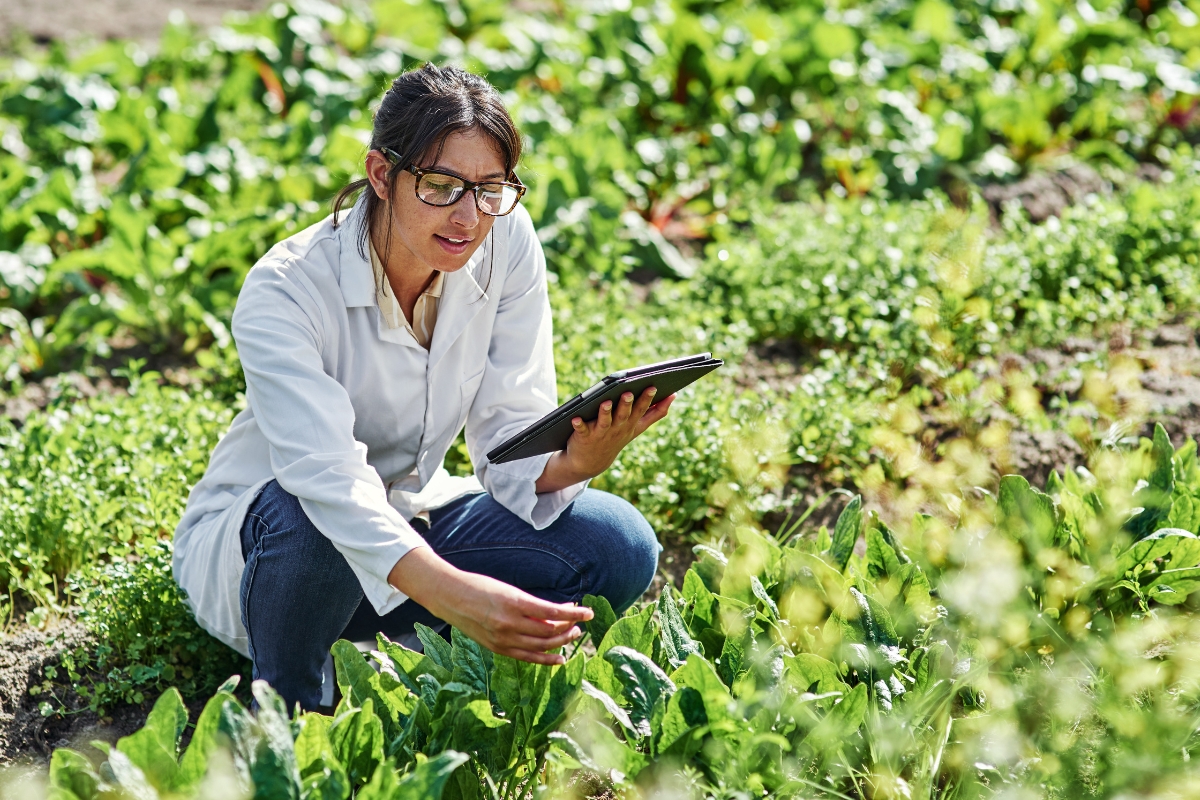
Agriculture is becoming increasingly data-driven as farmers adopt sensors, satellites, drones, and automated machinery. These technologies generate large amounts of information about crops, soil conditions, weather, irrigation, and farm operations. Researchers are now taking the next step by using this information to create digital twins, virtual replicas of real farms that can simulate crop growth and management decisions.
A digital twin continuously receives information from the physical farm and updates its virtual model in real time. Scientists can then test different farming strategies inside the digital environment before implementing them in actual fields. This reduces uncertainty and helps farmers make better decisions regarding irrigation, fertiliser application, pest control, and harvest planning.
Researchers believe digital twins could become one of the most important tools in precision agriculture during the coming decade.
A digital twin works by combining information from multiple sources, including weather stations, soil sensors, drones, satellite imagery, and farm machinery. This information creates a virtual representation that mirrors conditions in the real field.
As conditions change on the farm, the virtual model changes as well. Farmers and researchers can observe how crops respond to different environmental factors without disturbing actual field operations.
Agricultural scientists say this approach provides a much deeper understanding of crop performance than traditional monitoring methods.
Testing Decisions Before Applying Them
One of the most valuable features of digital twins is the ability to evaluate management options before acting. Farmers can compare irrigation schedules, fertiliser plans, or planting dates within the virtual environment.
The model estimates how crops may respond under different scenarios, helping identify the most suitable option. This reduces the risk of costly mistakes while improving resource use.
Researchers note that decision-support tools become increasingly important as climate variability makes farming more uncertain.
Irrigation planning is one area where digital twins are showing strong potential. The virtual model can analyse soil moisture, weather forecasts, crop growth stages, and water availability simultaneously.
Instead of relying on fixed irrigation schedules, farmers receive recommendations based on actual field conditions. This improves water-use efficiency and helps reduce unnecessary irrigation.
Scientists studying sustainable agriculture believe precision water management will become essential as water resources face increasing pressure.
Digital twins also help monitor crop health throughout the growing season. Information from drones and satellite imagery allows researchers to identify areas experiencing stress, nutrient deficiencies, or pest problems.
The system can highlight affected zones before visible symptoms become widespread. Early detection enables farmers to respond quickly and reduce potential losses.
Plant scientists believe continuous monitoring will improve both productivity and sustainability.
Climate Risks Can Be Simulated
Weather remains one of the biggest sources of uncertainty in agriculture. Digital twins allow researchers to simulate droughts, heatwaves, heavy rainfall events, and other climate-related scenarios.
Farmers can evaluate how different crops or management strategies might perform under future weather conditions. This helps improve preparedness and supports long-term planning.
Climate adaptation experts see digital simulation as a valuable tool for strengthening agricultural resilience.
Digital twin technology represents a major shift in how agricultural decisions are made. Instead of relying solely on field observations, farmers gain access to virtual systems capable of analysing thousands of variables simultaneously.
For researchers, digital twins create opportunities to test ideas more quickly and improve farming recommendations. For farmers, they offer a practical way to reduce risk and improve productivity through better information.
As sensors, artificial intelligence, and remote sensing technologies continue advancing, virtual farms may become as important as physical fields in agricultural decision-making.
Across the world, agriculture is beginning to move into a future where farmers can test tomorrow’s decisions today through digital replicas of their farms.
Also Read: Punarnava Jal – The world’s first organic fertilizer! Know how it is beneficial for farmers?
Contact us – If farmers want to share any valuable information or experiences related to farming, they can connect with us via phone or whatsapp at 9599273766 or you can write to us at “kisanofindia.mail@gmail.com”. Through Kisan of India, we will convey your message to the people, because we believe that if the farmers are advanced then the country is happy.
You can connect with Kisan of India on Facebook, Twitter, and Whatsapp and Subscribe to our YouTube channel.