



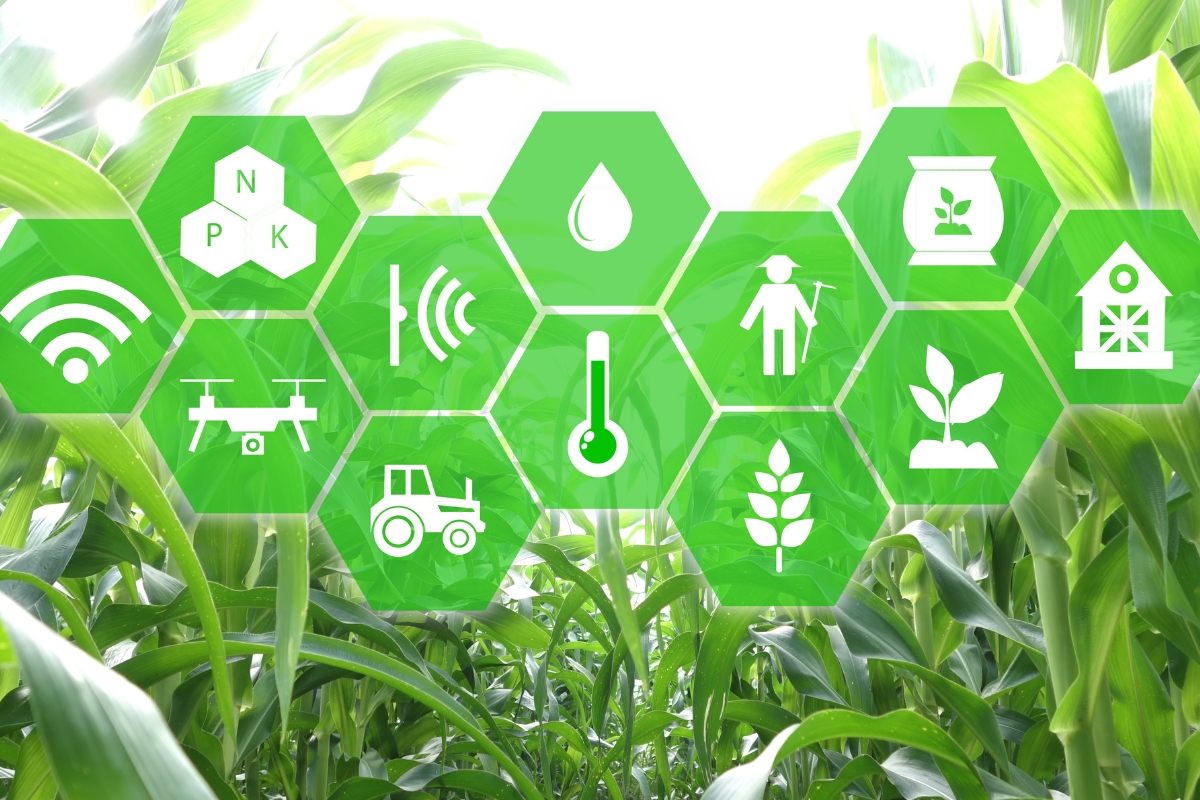
Artificial intelligence is rapidly becoming part of modern agriculture. Most AI-powered systems depend on cloud computing, where information collected from farms is sent to remote servers for analysis. While effective, this approach often faces limitations in rural areas where internet connectivity is unreliable or unavailable. To overcome this challenge, researchers are increasingly developing Edge AI systems that process information directly on the farm.
Edge AI refers to artificial intelligence that operates on local devices rather than distant data centres. Cameras, sensors, drones, and monitoring equipment analyse information immediately after it is collected, allowing farmers to receive instant recommendations without depending on continuous internet access.
Scientists believe Edge AI could become one of the most important agricultural technologies of the next decade because it combines artificial intelligence with practical field-level decision-making.
Traditional AI systems often require information to travel from the farm to cloud servers before recommendations are generated. This process can create delays, particularly in areas with weak network coverage.
Edge AI devices perform calculations locally. Information collected from sensors and cameras is processed immediately, allowing farmers to receive results in real time. This speed is especially important when dealing with pest outbreaks, irrigation scheduling, or disease detection.
Researchers note that rapid decision-making can significantly reduce crop losses.
Pest Detection Becomes Faster
Many crop diseases and insect infestations spread quickly once established. Delays in identifying problems often increase economic losses for farmers.
Edge AI-powered cameras can analyse plant images directly in the field and identify symptoms of disease or pest damage. Farmers receive alerts immediately rather than waiting for laboratory analysis or cloud-based processing.
Plant protection specialists believe early detection remains one of the most effective strategies for reducing crop damage.
Large parts of rural India continue to experience inconsistent internet connectivity. Technologies that depend entirely on online services may therefore face adoption challenges.
Because Edge AI operates locally, it continues functioning even when internet connections are unavailable. Farmers can still access recommendations, alerts, and monitoring information directly from the device.
Agricultural engineers believe this capability makes the technology particularly suitable for remote farming regions.
Water management is another area where Edge AI is showing promise. Devices connected to soil moisture sensors and weather monitoring systems can analyse conditions continuously and determine when irrigation is required.
Instead of following fixed schedules, irrigation decisions are based on actual field conditions. This improves water-use efficiency while reducing unnecessary pumping and energy costs.
Researchers studying precision agriculture consistently identify real-time monitoring as a key factor in resource conservation.
Small Devices Deliver Advanced Analytics
One of the most remarkable aspects of Edge AI is that sophisticated analysis can now be performed on relatively small devices. Advances in microprocessors allow cameras, sensors, and portable equipment to run artificial intelligence models without requiring large computing systems.
This makes the technology more accessible for agricultural applications where portability and durability are important considerations.
Scientists expect continued improvements in computing power to expand agricultural uses of Edge AI over the coming years.
Edge AI represents a shift in how agricultural information is generated and used. Instead of sending farm data elsewhere for analysis, intelligence is brought directly to the field where decisions are made.
For farmers, this means faster recommendations, greater independence from internet connectivity, and improved responsiveness to changing conditions. For researchers, it opens new possibilities for developing practical AI solutions tailored to agriculture.
As digital farming continues evolving, the most important agricultural decisions may increasingly be made not in distant data centres but by intelligent devices operating directly within fields. Edge AI is helping bring the power of artificial intelligence closer to the farmer than ever before.
Also Read: Punarnava Jal – The world’s first organic fertilizer! Know how it is beneficial for farmers?
Contact us – If farmers want to share any valuable information or experiences related to farming, they can connect with us via phone or whatsapp at 9599273766 or you can write to us at “kisanofindia.mail@gmail.com”. Through Kisan of India, we will convey your message to the people, because we believe that if the farmers are advanced then the country is happy.
You can connect with Kisan of India on Facebook, Twitter, and Whatsapp and Subscribe to our YouTube channel.