


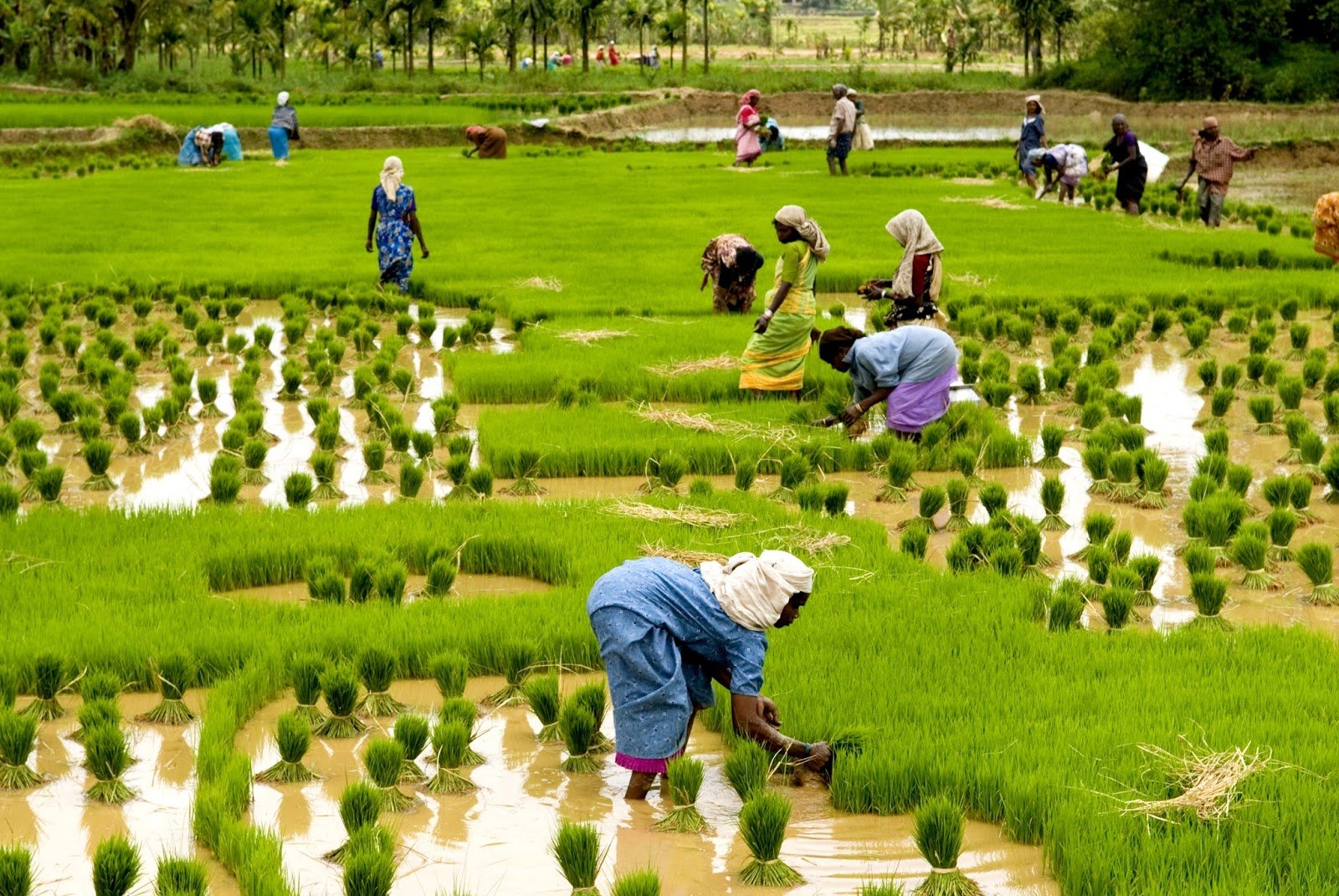
India is testing a new approach to crop improvement through genome editing, with rice among the first crops to receive varieties developed using the technology. The approach changes specific parts of a plant’s DNA without necessarily introducing genetic material from another species.
Two varieties, DRR Dhan 100 and Pusa DST Rice 1, were developed by Indian agricultural research institutions. Their development focuses on traits such as shorter crop duration, improved yield and better tolerance to environmental stress.
DRR Dhan 100 can shorten the rice cycle
DRR Dhan 100, also known as Kamala, was developed from the popular Samba Mahsuri rice variety. It can mature around 15 to 20 days earlier than its parent variety, with a crop duration of about 130 days.
The shorter duration can matter to farmers who need to fit rice into tighter cropping schedules. An earlier harvest can also give farmers more time to prepare fields for a following crop.
Field data cited for the variety have reported a yield increase of around 19% to 25% over the parent variety. The actual performance, like any crop variety, depends on location, management practices, soil and weather conditions.
Pusa DST Rice 1 targets water and soil stress
Pusa DST Rice 1 was developed at the Indian Agricultural Research Institute. It carries a trait linked to improved tolerance to soil-related stress, including conditions associated with salinity and drought.
Such traits can be useful in areas where rice cultivation faces water shortages or poor-quality irrigation water. Rice requires substantial water during its growing period, so varieties that can maintain production under stress could give farmers another option in difficult growing conditions.
Genome editing differs from conventional breeding because scientists can make targeted changes to a plant’s existing genetic material. This can shorten the process of developing particular traits compared with repeatedly crossing plants and selecting offspring over several generations.
What the technology could mean for farmers
Genome editing does not automatically make a crop suitable for every farm. Farmers still need varieties that match their local climate, soil, irrigation availability, seed supply and market requirements.
The technology can be useful when breeders need to improve a specific trait while retaining desirable characteristics of an established variety. In rice, this could include crop duration, stress tolerance, grain quality or yield.
The wider use of genome-edited crops will also depend on seed multiplication, field performance and farmer access. Clear information about the varieties will be important so farmers understand which conditions they are designed for.
India’s agricultural research system is also working on genome editing in other crops. The technology is being studied as a way to develop plants with traits linked to productivity, climate resilience and resource use.
For rice farmers, the main benefit will not come from the technology itself. It will come from whether the resulting varieties solve a practical problem in the field.
A rice variety that matures earlier could help a farmer fit another crop into the same agricultural year. A variety with better stress tolerance could be useful where water or soil conditions limit production.
As these varieties move through research, seed multiplication and wider cultivation, their field performance will show whether genome editing can deliver measurable gains for Indian farmers.
Also Read: Punarnava Jal – The world’s first organic fertilizer! Know how it is beneficial for farmers?
Contact us – If farmers want to share any valuable information or experiences related to farming, they can connect with us via phone or whatsapp at 9599273766 or you can write to us at “kisanofindia.mail@gmail.com”. Through Kisan of India, we will convey your message to the people, because we believe that if the farmers are advanced then the country is happy.
You can connect with Kisan of India on Facebook, Twitter, and Whatsapp and Subscribe to our YouTube channel.