



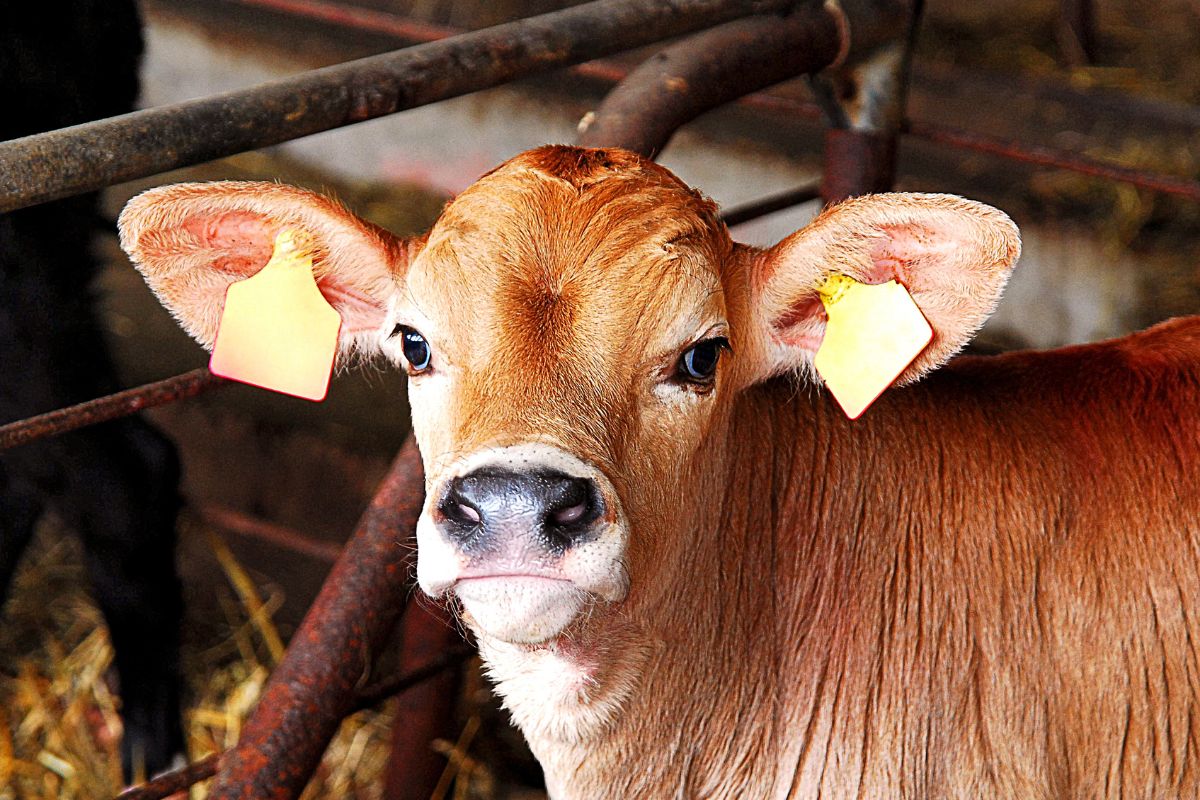
Livestock farmers are increasingly turning to digital tools to improve animal management and reduce losses. One technology gaining attention is the smart ear tag, a small device attached to animals that continuously collects information about movement, activity, temperature, and other health indicators.
Traditional livestock management often depends on visual observation. While experienced farmers can identify many problems early, monitoring large herds remains difficult. Illness, reduced feeding activity, or reproductive changes may go unnoticed until they begin affecting productivity.
Smart ear tags are designed to address this challenge. By collecting data throughout the day, these devices help farmers detect potential issues sooner and make more informed management decisions.
Researchers believe such systems could play an important role in the future of livestock farming, particularly as herd sizes increase and labour becomes more limited.
One of the biggest advantages of smart ear tags is their ability to collect information around the clock. Animals do not always show obvious signs of illness during routine inspections. Changes in behaviour often begin long before visible symptoms appear.
The technology tracks movement patterns and activity levels. If an animal becomes less active than normal, farmers receive alerts that encourage closer inspection. Early identification allows treatment to begin sooner, improving recovery chances and reducing potential production losses.
Livestock experts frequently note that prevention and early intervention are often more effective than treating advanced health problems.
Heat Detection Supports Breeding Management
Reproductive management remains one of the most important aspects of livestock production. Missing the ideal breeding period can delay calving schedules and reduce overall farm profitability.
Smart ear tags help identify behavioural changes associated with heat cycles. Increased movement and activity are often recorded automatically, allowing farmers to receive notifications when animals are ready for breeding.
This improves breeding efficiency and reduces the need for constant manual observation. Many dairy and cattle farmers are adopting monitoring technologies specifically because of the benefits they provide in reproductive management.
Accurate timing can significantly improve herd performance over time.
Animal diseases often spread quickly if they are not identified early. In many cases, subtle behavioural changes appear before serious symptoms develop. Smart monitoring systems help detect these changes and notify farmers when unusual patterns emerge.
Some ear tags also record body temperature and other physiological indicators. Sudden changes can signal potential health concerns requiring attention from farmers or veterinarians.
Researchers studying precision livestock farming view early disease detection as one of the technology’s most important benefits. Faster responses help reduce treatment costs and improve animal welfare.
The ability to identify problems early is becoming increasingly valuable in modern livestock systems.
Farmers managing grazing animals often face challenges related to tracking herd movements. Animals may wander long distances, particularly in extensive grazing systems where monitoring every individual is difficult.
Many smart ear tag systems include location-tracking features that help farmers locate animals quickly. This improves security while reducing the time required for routine herd management activities.
The technology is particularly useful in large grazing areas where traditional monitoring methods require significant labour and time investments.
Improved visibility helps farmers manage livestock more efficiently.
Data Is Becoming a Farm Asset
Agriculture is increasingly driven by information. Livestock farmers are recognising that data collected from animals can support better decision-making throughout the production cycle.
Smart ear tags generate detailed records covering health, activity, reproduction, and movement. Over time, these records help farmers identify trends and improve management practices.
Researchers expect livestock data to become increasingly important as farms adopt more digital technologies. Information gathered today can influence management decisions for years to come.
The value of livestock is no longer measured only by production. The information animals generate is becoming valuable as well.
Smart ear tags demonstrate how technology is reshaping animal husbandry. Rather than replacing farmers, the devices provide additional information that helps them make better decisions and respond more quickly to emerging challenges.
The technology supports animal health, improves breeding management, reduces losses, and strengthens overall farm efficiency. As costs decline and adoption increases, smart monitoring systems are likely to become a common feature of livestock operations around the world.
For farmers, the goal remains simple. Healthier animals, better productivity, and fewer surprises. Smart ear tags are helping make that goal easier to achieve.
Also Read: Punarnava Jal – The world’s first organic fertilizer! Know how it is beneficial for farmers?
Contact us – If farmers want to share any valuable information or experiences related to farming, they can connect with us via phone or whatsapp at 9599273766 or you can write to us at “kisanofindia.mail@gmail.com”. Through Kisan of India, we will convey your message to the people, because we believe that if the farmers are advanced then the country is happy.
You can connect with Kisan of India on Facebook, Twitter, and Whatsapp and Subscribe to our YouTube channel.