


Why Farmers Are Turning to Solar-Powered Cold Storage in 2026

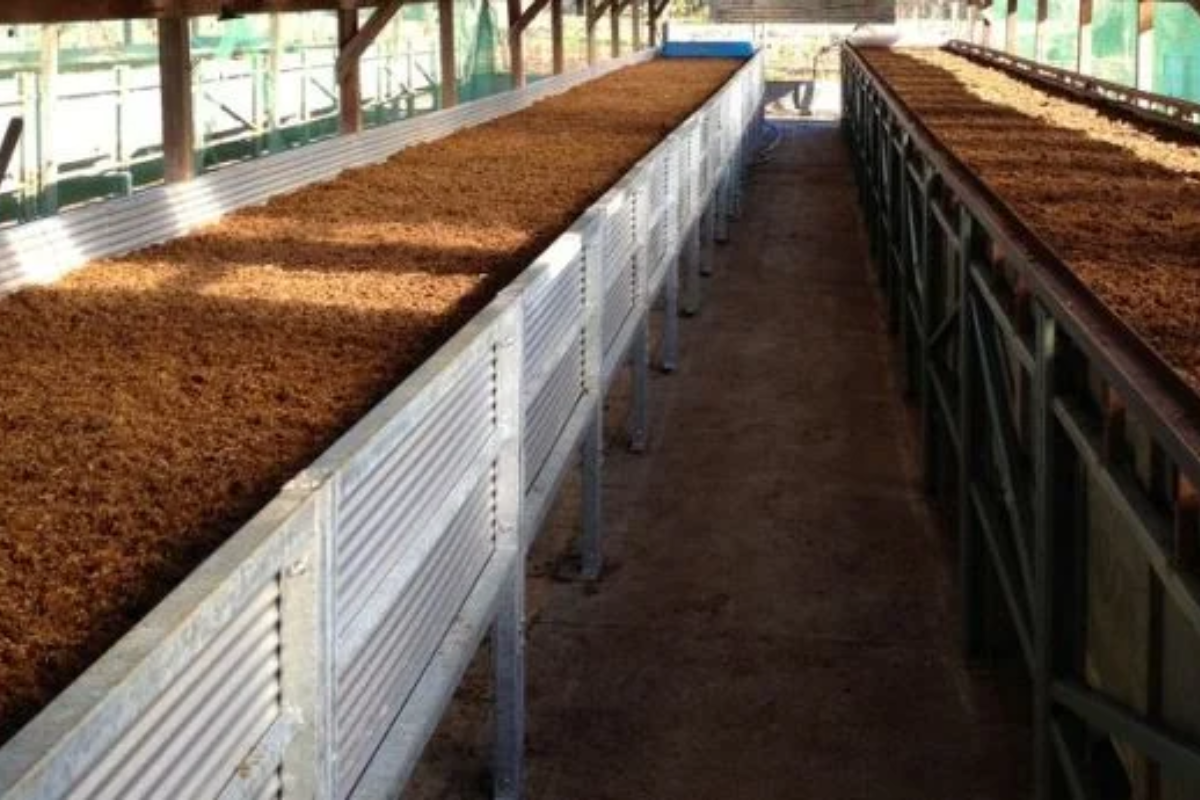
India produces huge quantities of fruits and vegetables every year, but a large share of harvested produce never reaches consumers. Crops spoil during transport, market delays, or because farmers lack access to proper storage facilities. Vegetables such as tomatoes, spinach, cucumbers, and chilies lose freshness quickly during summer months when temperatures remain high. Agriculture experts say post-harvest losses continue reducing farmer income across several states because growers are often forced to sell crops immediately after harvest at low prices.
Traditional cold storage systems are usually located near towns or industrial areas. Small farmers living in villages often struggle to transport limited quantities of produce to distant warehouses. Transport expenses become high, especially for perishable crops. Because of this, many growers prefer immediate sales even when market prices are weak. Agriculture economists say poor storage access weakens the bargaining power of small farmers and increases distress selling during peak harvest seasons.
Solar Power Is Solving Rural Electricity Problems
Electricity remains one of the biggest challenges for cold storage expansion in rural India. Many villages continue facing frequent power cuts and unstable electricity supply, especially during summer months when cooling demand rises sharply. Diesel generators increase operating expenses and make traditional cold storage systems expensive for small farmers.
Solar-powered cold storage systems are now emerging as an alternative solution. These units use rooftop solar panels to power cooling chambers during daytime hours. Some systems also include battery backup for nighttime operation. Agriculture engineers say solar cooling works especially well in farming regions where sunlight remains available for most of the year. By reducing dependence on grid electricity, solar systems lower operating costs and improve reliability for rural storage infrastructure.
Vegetable growers are among the biggest users of solar cold storage systems. Fresh vegetables lose moisture and quality rapidly under hot weather conditions. Farmers often face heavy losses when transport or market access gets delayed for even a few days. Solar cold rooms allow growers to store produce safely for longer periods instead of rushing into immediate sales.
Agriculture experts say even short-term storage can improve farmer income significantly because prices often recover after the first wave of harvest arrivals. Tomato farmers, for example, regularly face sudden price crashes during peak supply periods. Cold storage allows them to wait for better market conditions before selling produce.
Farmer Producer Organizations Are Managing Shared Storage
Many Farmer Producer Organizations are now managing community-based cold storage systems in villages. Farmers bring fruits, vegetables, milk, or flowers to shared storage centers and pay small fees based on quantity and duration. This reduces the need for each farmer to invest individually in expensive infrastructure.
Agriculture experts believe community-managed storage systems are becoming important because most small farmers cannot afford private cold rooms. Shared facilities also improve coordination between farmers, transport operators, and buyers. In some districts, FPOs are combining storage with sorting, grading, and packaging services to improve product quality before sale.
Agri-tech startups are rapidly entering the solar cold storage sector. Several companies now provide village-level cold rooms through rental or subscription-based models. Farmers can book storage space through mobile applications and receive updates about availability, transport services, and nearby market prices.
Some startups also combine storage systems with digital marketplaces that connect farmers directly with urban retailers, supermarkets, and food processing companies. Agriculture experts say these integrated systems may improve rural supply chains and reduce post-harvest waste over time. Startups are also exploring portable solar cooling units for remote farming regions.
Climate Change Is Increasing the Need for Cooling Systems
Climate change is making post-harvest management more important than before. Heatwaves are arriving earlier and lasting longer across several farming states. High temperatures reduce the shelf life of fruits and vegetables much faster than in previous decades. Agriculture scientists say post-harvest losses may increase further if rural cooling infrastructure does not expand quickly.
Better storage systems are becoming important not only for farmer income but also for national food security. India already produces enough fruits and vegetables in many regions, but a large share gets wasted after harvest because of poor storage and transport systems. Agriculture experts believe reducing waste may improve food availability without increasing cultivation area.
The technology is now supporting multiple agricultural sectors beyond vegetable farming. Dairy farmers are using solar-powered cooling systems to preserve milk quality before collection vehicles arrive. Flower growers are also adopting cold storage because flowers lose freshness rapidly under hot weather conditions.
In some regions, fisheries and poultry businesses are testing solar refrigeration systems for short-term storage and transport support. Agriculture experts say multi-purpose storage systems may improve the financial sustainability of rural cooling infrastructure because one facility can support different agricultural products throughout the year.
Government Support Is Helping Expansion
State agriculture departments and renewable energy agencies are increasing support for solar cold storage projects. Subsidy schemes linked with renewable energy, Farmer Producer Organizations, and post-harvest infrastructure are helping projects grow faster across rural areas.
Some districts are also testing mobile solar-powered cold vans that can travel directly to farming regions during harvest seasons. Agriculture experts say decentralized cold chain systems may become more effective than relying only on large warehouses located far from villages.
Agriculture is changing rapidly. Farming is no longer only about crop production. Storage, logistics, energy management, and market timing are becoming equally important for improving farmer income. Agriculture experts believe future farming systems will depend heavily on reducing post-harvest losses because increasing production alone may not improve farmer earnings if crops continue spoiling before sale.
Farmers who reduce storage losses often increase profits without expanding land area or increasing fertilizer use. That is why many agriculture experts believe solar-powered cold storage systems may soon become a common part of village farming infrastructure across India.
Also Read: Punarnava Jal – The world’s first organic fertilizer! Know how it is beneficial for farmers?
Contact us – If farmers want to share any valuable information or experiences related to farming, they can connect with us via phone or whatsapp at 9599273766 or you can write to us at “kisanofindia.mail@gmail.com”. Through Kisan of India, we will convey your message to the people, because we believe that if the farmers are advanced then the country is happy.
You can connect with Kisan of India on Facebook, Twitter, and Whatsapp and Subscribe to our YouTube channel.