



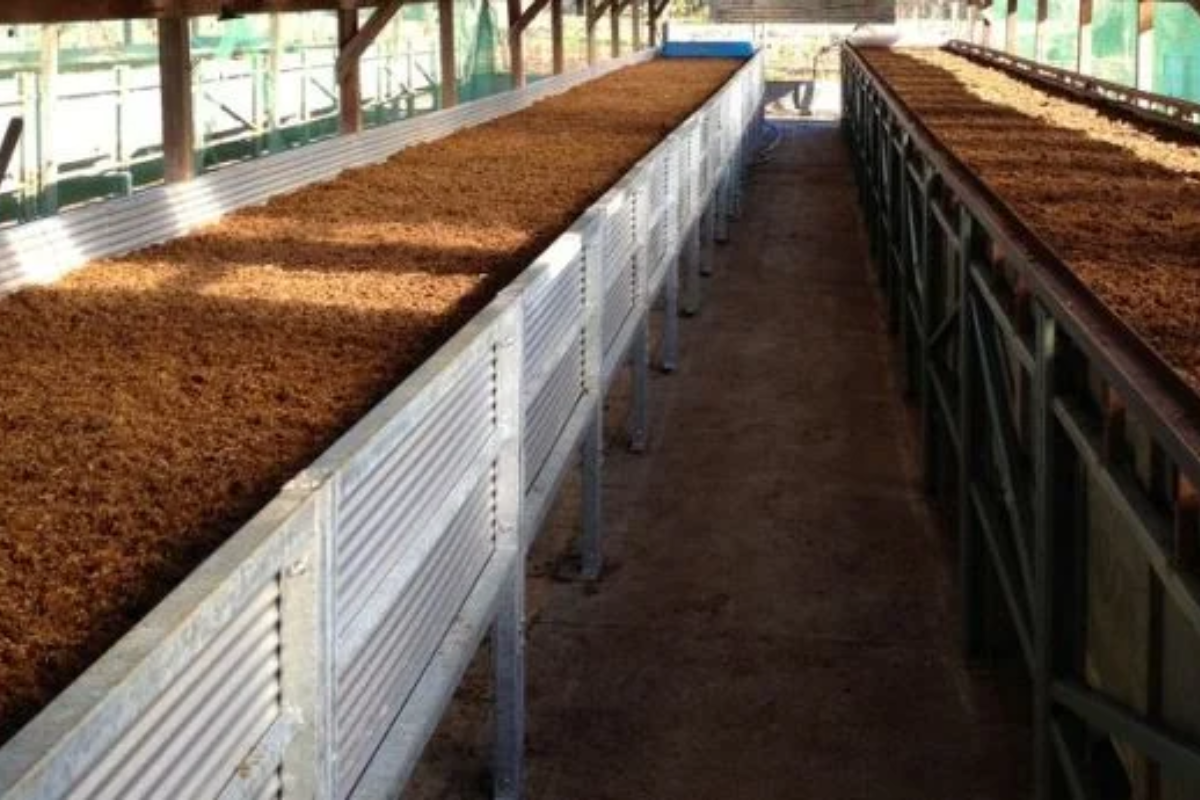
A farmer may grow a good crop but still lose money after harvest if there is no place to store it. Selling immediately can become necessary when prices are low, while poor storage can damage produce. The Agriculture Infrastructure Fund aims to help create infrastructure between harvest and sale.
The scheme supports loans for eligible post-harvest management infrastructure and community farming assets. Farmers, farmer producer organisations, cooperatives and several other eligible groups can use the facility for approved projects.
What does the Agriculture Infrastructure Fund provide?
The Agriculture Infrastructure Fund is not a cash grant that pays the full cost of a warehouse or cold store. It provides financial support linked to loans taken for eligible projects.
Under the scheme, eligible borrowers can receive interest subvention of 3% per year on loans up to ₹2 crore for a maximum period of seven years. The government also provides credit-guarantee support for eligible borrowers, subject to the applicable scheme rules.
This means the farmer or organisation still has to arrange financing and repay the loan. The interest benefit can reduce the cost of borrowing, but it does not remove the project’s financial responsibility.
The scheme therefore works best when farmers have a clear project plan. They need to know what infrastructure they want, how much it will cost, how it will generate income or reduce losses and how the loan will be repaid.
The AIF guidelines cover a range of post-harvest infrastructure. Eligible activities include warehouses, silos, cold stores, pack houses, sorting and grading units, primary processing facilities and other approved facilities.
The scheme also covers certain community farming assets. These can include projects related to precision agriculture and other eligible infrastructure listed under the scheme guidelines.
A farmer does not need to build a large warehouse to benefit from the programme. The suitable project depends on the crop, local market and scale of production.
For example, a group of vegetable growers may consider a grading and packing facility, while producers of fruits may need cold-chain infrastructure. Grain producers may have a different requirement for storage or cleaning and grading.
The key is to match the project with an actual local need rather than building infrastructure simply because financing is available.
Who can apply?
The scheme is open to several categories of beneficiaries. These include farmers, farmer producer organisations, agricultural entrepreneurs, cooperatives and other eligible groups specified under the guidelines.
Primary Agricultural Credit Societies are also among the eligible entities. State agencies, local bodies and certain public-private projects can also qualify under specified conditions.
For small farmers, working through an FPO or cooperative can be useful when individual ownership would make the project too expensive. Several farmers can use a common facility while sharing its operating costs.
Eligibility does not mean automatic approval. The project must meet the scheme requirements, and the lending institution must assess the loan application.
Farmers should therefore check the latest guidelines and speak with the concerned bank or implementing agency before spending money on land, construction or equipment.
The 3% interest subvention is intended to reduce the interest burden on eligible loans. The benefit is available on loans up to ₹2 crore and can continue for a maximum of seven years, subject to the scheme’s conditions.
This can make a difference to the total repayment cost, but farmers should not calculate profitability using the interest benefit alone. Construction, machinery, electricity, labour, maintenance, insurance and other operating costs also need to be included.
The repayment plan should be based on realistic income. A storage facility may earn through rental charges, storage fees, grading, packing or by allowing farmers to sell produce later. These expected revenues should be estimated before taking the loan.
Farmers should also compare the cost of building their own facility with using an existing warehouse or cold store nearby. If an affordable facility already exists, hiring space may be less expensive than taking a long-term loan.
What about credit guarantees?
The government also provides credit-guarantee support for eligible AIF loans, subject to the applicable guidelines. This is intended to make it easier for eligible borrowers to access institutional credit.
The guarantee does not mean that a borrower’s loan becomes free or that repayment is no longer required. The borrower remains responsible for meeting the terms of the loan.
Farmers should ask the lending bank exactly what security, margin money, documents and project approvals are required in their case. These requirements can depend on the borrower, project and lending institution.
Understanding these conditions before submitting an application can prevent delays later.
The first step is a clear project report. It should explain what infrastructure will be built, why it is needed, how much it will cost and how it will generate enough income to meet operating expenses and loan repayments.
Farmers should also collect land and ownership documents, quotations for machinery and construction, projected income and expenditure figures and other documents requested by the lender.
An FPO or cooperative should also estimate how many members will use the facility. The group should calculate expected storage volumes, user charges, maintenance costs and staffing requirements.
Market access matters too. A cold store has little value if farmers have no reliable buyers or if electricity and transport costs make the facility too expensive to operate.
Can small farmers benefit?
The scheme can support infrastructure used by small farmers, but building a facility individually may not always be practical. A shared project through an FPO, cooperative or other eligible group can spread the cost across more users.
For example, vegetable growers could create a common grading and packing facility, while fruit growers could explore suitable storage or cold-chain infrastructure. The project should be based on the actual crops produced in the area.
Farmers should also ask whether the proposed facility will remain useful throughout the year. Seasonal utilisation can affect income, especially when machinery and buildings require maintenance even when they are not being used.
A detailed local assessment can therefore be more useful than simply looking at the maximum loan amount available under the scheme.
What should farmers check before taking the loan?
Before applying, farmers should answer five questions.
What problem will the project solve?
Who will use the facility?
How much will construction and operation cost?
What income will the facility generate?
Can the loan be repaid if crop prices fall?
These questions can reveal whether the project is financially workable.
Farmers should also compare different banks and understand the complete loan terms. The AIF interest benefit is only one part of the borrowing cost.
Government support can reduce the financing burden, but the project still needs sound planning. A warehouse, cold store or processing facility becomes useful only when farmers have enough produce, reliable users and a market that can support its operating costs.
For farmers, the Agriculture Infrastructure Fund can provide a route to building post-harvest assets, but the decision should start with the farm’s actual problem. If poor storage forces farmers to sell cheaply, a shared facility may help. If adequate storage already exists nearby, borrowing to build another facility may not make sense.
The important step is to calculate the full project cost and expected income before applying. Government support can make financing easier, but farmers still need a business plan that works after the loan has to be repaid.
Also Read: Punarnava Jal – The world’s first organic fertilizer! Know how it is beneficial for farmers?
Contact us – If farmers want to share any valuable information or experiences related to farming, they can connect with us via phone or whatsapp at 9599273766 or you can write to us at “kisanofindia.mail@gmail.com”. Through Kisan of India, we will convey your message to the people, because we believe that if the farmers are advanced then the country is happy.
You can connect with Kisan of India on Facebook, Twitter, and Whatsapp and Subscribe to our YouTube channel.