


Newborn Calves Need More Than Milk. What Should Dairy Farmers Do in the First Three Months?

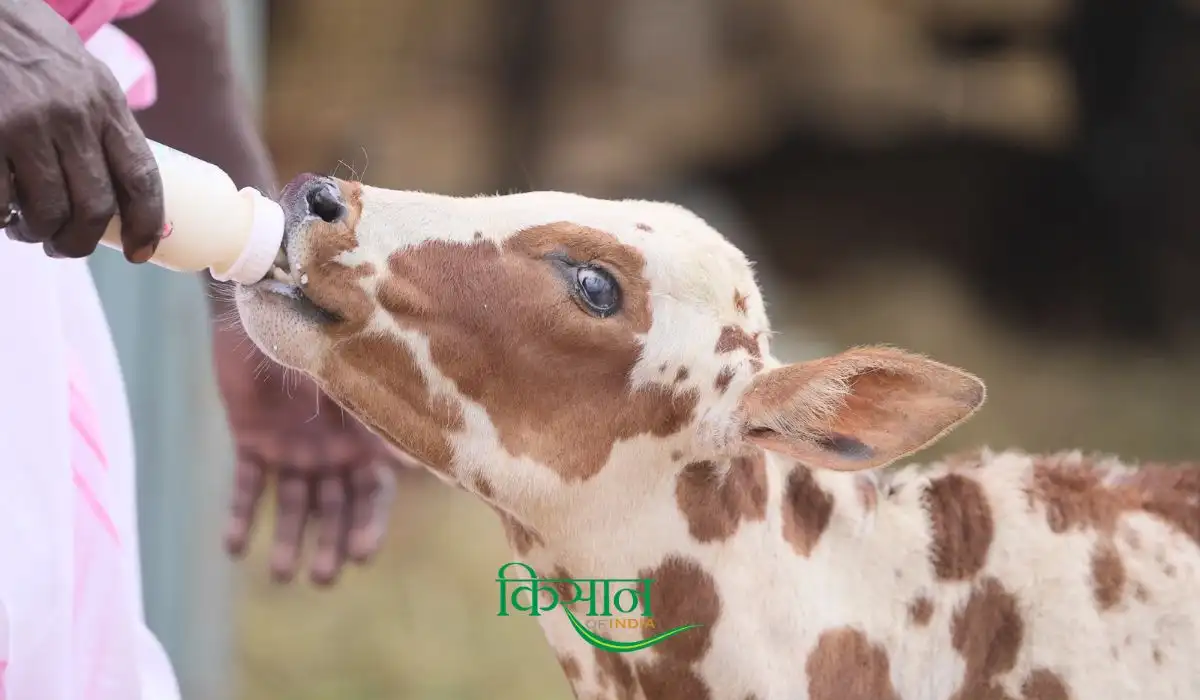
A dairy calf’s first few months can shape its growth, health and future productivity. Farmers often focus on feeding milk, but newborn calves need more than milk alone. Timely colostrum, clean housing, water, starter feed and disease prevention all play important roles.
ICAR recommends giving newborn calves colostrum within 12 hours of birth at about one-tenth of their body weight. Colostrum supplies nutrients and antibodies that help the calf develop early protection against infections during its first days of life.
Why is the first feeding so important?
A calf is born with limited protection against infections. Colostrum, the first milk produced after calving, contains antibodies and other nutrients that support early immunity. The timing matters because the calf’s ability to absorb these antibodies decreases after birth.
ICAR recommends feeding colostrum as early as possible, with its advisories specifying feeding within 12 hours at around one-tenth of the calf’s body weight. Earlier ICAR guidance has recommended giving colostrum within the first six hours whenever possible.
Farmers should make sure the calf actually consumes the required amount. If the mother produces insufficient colostrum, farmers should seek veterinary advice about suitable alternatives rather than simply replacing it with ordinary milk.
The navel also needs attention immediately after birth. ICAR recommends proper navel-cord disinfection because infections entering through the navel can cause serious illness in young calves. Clean bedding and hygienic housing further reduce exposure to disease-causing organisms.
When should calves start eating solid feed?
Milk remains an important feed during early life, but the digestive system gradually changes as the calf grows. Introducing calf starter early encourages development of the rumen, allowing the animal to use solid feed more effectively later.
ICAR recommends offering calf starter from around the third day onward and continuing it until two to three weeks before weaning. Tender leafy fodder can also be provided to support early rumen development.
Farmers should introduce new feed gradually and keep feeding equipment clean. Spoiled or mouldy feed should not be offered because contaminated feed can create digestive and health problems in young animals.
Clean drinking water is also important. ICAR’s livestock guidance recommends free access to clean water for weaned calves, with troughs cleaned regularly. Water availability becomes increasingly important as calves consume more solid feed.
What about disease prevention?
Young calves are vulnerable to infections, particularly when nutrition, hygiene or housing is poor. Farmers should watch for diarrhoea, coughing, nasal discharge, weakness, poor appetite or unusual behaviour and contact a veterinarian when signs appear.
ICAR advisories recommend scheduled deworming for calves, beginning on the 14th, 35th and 56th days, followed by monthly treatment until six months and later intervals as advised locally. Farmers should follow veterinary guidance because treatment schedules can vary.
Housing also matters. Calves should have clean, dry bedding and protection from extreme weather while still receiving adequate ventilation. Crowded or poorly maintained sheds can increase exposure to infections and make it harder to identify sick animals early.
Vaccination should follow the local veterinary department’s schedule. Farmers should keep records of birth dates, vaccinations, deworming, feeding and illnesses. These records can help identify repeated problems and make future management decisions easier.
Does early care affect future dairy production?
Good calf management is an investment in the animal that may enter the dairy herd later. Poor nutrition or repeated illness during early growth can affect development, while adequate nutrition and disease prevention support healthier growth.
ICAR’s training programmes on cattle and buffalo calf rearing specifically include birth management, colostrum feeding, milk replacer techniques, disease prevention and control of calf mortality. The aim is to improve calf survival and reduce problems during later development.
Farmers should also monitor growth rather than judging development only by appearance. Regular weighing or simple body measurements can show whether a calf is gaining weight as expected and can help identify feeding or health problems earlier.
A calf that grows well still needs continued management after the first three months. Balanced nutrition, vaccination, deworming, housing and gradual changes in feed remain important as the animal moves towards the growing and breeding stages.
What can small dairy farmers do?
Small dairy farmers do not necessarily need expensive equipment to improve calf care. The first steps are timely colostrum, clean water, hygienic housing, suitable starter feed and a regular health schedule based on veterinary advice.
Farmers should prepare for calving before the animal gives birth. Clean bedding, feeding utensils, safe water and a plan for colostrum should be ready so that the calf receives attention immediately after birth.
Feed costs should also be recorded. Farmers can compare the amount spent on milk, starter feed, fodder, medicines and labour against calf growth and health. This can show where management changes are reducing avoidable costs.
The first three months are not simply a period when farmers feed a calf until it becomes bigger. They are a key stage for establishing nutrition, immunity, rumen development and basic health.
For dairy farmers, better calf care can begin with simple actions rather than expensive technology. The important questions are straightforward: Did the calf receive colostrum on time? Is it getting suitable feed and water? Is its housing clean? Are health problems being identified early?
Also Read: Punarnava Jal – The world’s first organic fertilizer! Know how it is beneficial for farmers?
Contact us – If farmers want to share any valuable information or experiences related to farming, they can connect with us via phone or whatsapp at 9599273766 or you can write to us at “kisanofindia.mail@gmail.com”. Through Kisan of India, we will convey your message to the people, because we believe that if the farmers are advanced then the country is happy.
You can connect with Kisan of India on Facebook, Twitter, and Whatsapp and Subscribe to our YouTube channel.
