


Why Farmers Are Growing Duckweed as a Low-Cost Protein Feed

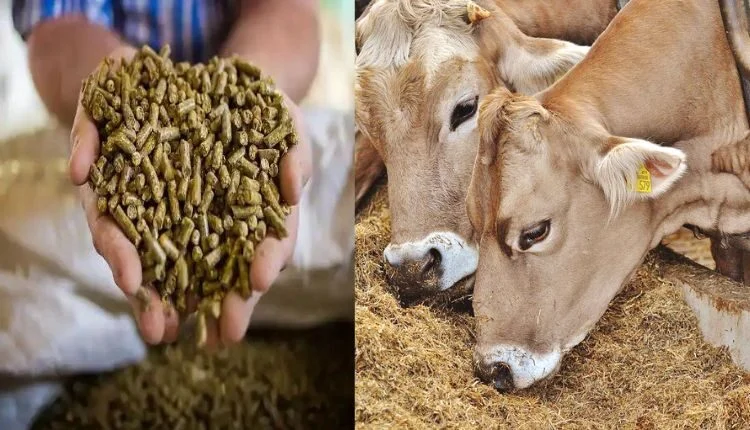
Feed costs are rising steadily for dairy farmers, poultry growers, and fish farmers across India. Commercial feed prices have increased sharply during recent years because raw materials such as soybean meal and maize are becoming more expensive. Small farmers often struggle to maintain regular feeding schedules when input costs rise suddenly. Agriculture experts say feed management is now one of the biggest financial challenges in livestock and fish farming systems.
Because of this, many farmers and researchers are exploring duckweed farming as a low-cost alternative protein source. Duckweed is a tiny floating aquatic plant that grows rapidly on still water surfaces. Though small in size, it contains high protein levels and can be used as feed for fish, ducks, poultry, pigs, and even cattle in limited quantities.
One major reason behind growing interest in duckweed is its rapid growth cycle. Under suitable conditions, duckweed multiplies very quickly and can be harvested within a few days after cultivation begins. Farmers grow the plant in shallow ponds, cement tanks, or lined pits filled with nutrient-rich water.
Agriculture researchers say duckweed requires much less land compared to traditional fodder or feed crops. Small farmers can grow significant quantities inside compact spaces near dairy sheds or fish ponds. Experts believe this makes the system useful for rural households with limited agricultural land.
Protein Content Makes It Valuable
Duckweed contains high protein levels along with amino acids, minerals, and vitamins useful for livestock nutrition. Researchers say protein content can range between 20 and 40 percent depending on growing conditions and plant species. Because of this, the plant is attracting attention as a partial replacement for costly commercial feed ingredients.
Fish farmers are among the biggest users of duckweed systems. Farmers cultivating carp and tilapia often use fresh duckweed as supplementary feed inside ponds. Agriculture experts say duckweed supports fish growth while reducing dependence on expensive pellet feed.
Some dairy farmers are also experimenting with duckweed as a supplementary cattle feed mixed with traditional fodder. Poultry farmers use dried duckweed in limited quantities for ducks and chickens. Agriculture experts say the feed should be balanced properly because duckweed alone cannot replace complete nutritional requirements for livestock.
Farmers using duckweed systems say one major advantage is regular feed availability throughout the year. The plant grows quickly under warm conditions and can be harvested repeatedly from the same pond.
Duckweed farming also fits well within integrated farming systems because it grows on nutrient-rich wastewater. Some farmers use livestock wastewater or pond water rich in natural nutrients to support plant growth. Agriculture experts say this improves nutrient recycling inside farms and reduces waste discharge.
Researchers are studying whether duckweed systems can help improve water treatment while producing useful biomass at the same time. Some integrated farms now combine duckweed cultivation with fish ponds, poultry sheds, and biogas systems.
Climate Pressure Is Increasing Interest
Climate change and rising feed prices are increasing pressure on traditional livestock systems. Heatwaves and irregular rainfall affect fodder production across several states. Agriculture experts say alternative feed systems may become necessary as feed shortages and input costs continue increasing.
Duckweed attracts attention because it requires little land, low water movement, and minimal infrastructure compared to traditional fodder crops. Researchers believe climate-resilient feed systems may become more important for future livestock management.
Agriculture universities and startups are increasing research related to duckweed cultivation and processing. Some companies are exploring duckweed-based protein products for aquaculture and livestock industries. Researchers are also studying drying methods and nutrient enhancement systems to improve storage and transport possibilities.
Experts say commercial-scale duckweed farming still faces several challenges including contamination control, storage stability, and farmer awareness. Many farmers remain unfamiliar with cultivation methods and proper feeding ratios.
One reason duckweed farming attracts attention is its low starting cost. Farmers can begin with small ponds or lined pits using locally available materials. Agriculture officers and rural training centres are slowly introducing demonstration projects related to alternative feed cultivation systems.
Experts believe small farmers may benefit the most because low-cost protein production reduces dependence on expensive commercial feed markets.
Duckweed May Become Part of Future Farming Systems
Agriculture experts believe future farming systems will increasingly combine crop production, livestock management, water recycling, and waste utilization together. Duckweed farming fits within this model because it supports protein production using limited resources.
The plant may not completely replace commercial feed systems, but researchers believe it could become an important supplementary feed source for small farmers facing rising livestock expenses. As sustainable agriculture gains attention, duckweed farming is slowly moving from research discussions into real farming practices across several regions.
Also Read: Punarnava Jal – The world’s first organic fertilizer! Know how it is beneficial for farmers?
Contact us – If farmers want to share any valuable information or experiences related to farming, they can connect with us via phone or whatsapp at 9599273766 or you can write to us at “kisanofindia.mail@gmail.com”. Through Kisan of India, we will convey your message to the people, because we believe that if the farmers are advanced then the country is happy.
You can connect with Kisan of India on Facebook, Twitter, and Whatsapp and Subscribe to our YouTube channel.