


ICAR Releases Two New Groundnut Varieties for Higher Yield and Better Oil Quality

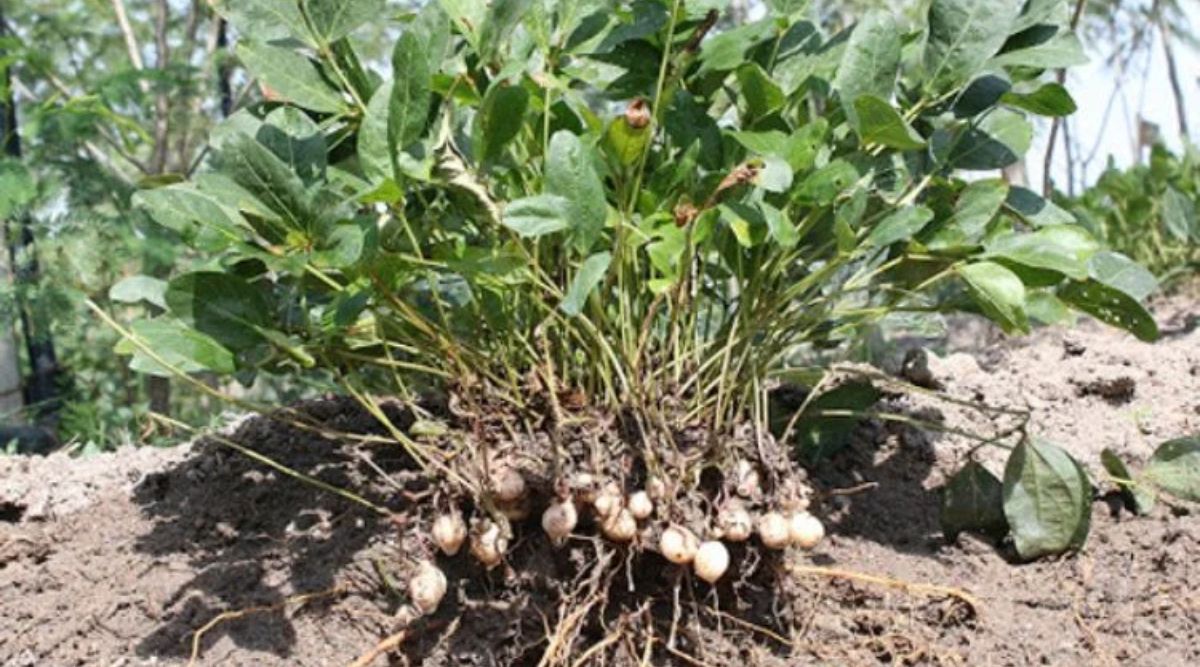
Groundnut is one of India’s most important oilseed crops, providing edible oil, livestock feed and income to millions of farmers. To improve productivity and strengthen domestic oilseed production, the Indian Council of Agricultural Research (ICAR) has released two new groundnut varieties that combine higher yield, better oil quality and improved tolerance to major diseases. The new varieties are expected to benefit farmers in several rainfed and irrigated groundnut-growing regions. (ICAR)
The varieties were developed after years of field evaluation under different agro-climatic conditions. Researchers say they have shown better performance than existing cultivars in terms of yield stability, pod quality and adaptability. The release is part of ICAR’s broader effort to develop improved oilseed varieties that can perform well under changing climatic conditions.
One of the biggest objectives of the new varieties is to increase oilseed production without expanding the cultivated area.
Scientists say the improved varieties produce more pods while maintaining good kernel quality. They also contain higher oil content, making them attractive for both farmers and the edible oil industry. Better oil recovery can increase returns for processors while helping India reduce its dependence on imported edible oils.
Researchers also observed good shelling percentage and uniform pod development during field trials. These characteristics improve market value and make the crop suitable for commercial cultivation in major producing states.
Improved Disease Tolerance
Groundnut farmers often face losses due to diseases such as late leaf spot and rust, especially during humid weather.
The newly released varieties have shown improved tolerance to these diseases, reducing the risk of severe yield losses. Although farmers should continue following recommended crop protection practices, improved genetic resistance can lower production risks and reduce the number of pesticide sprays required during the season.
Scientists also emphasise timely sowing, balanced fertiliser application, seed treatment and proper irrigation to achieve the full yield potential of the new varieties.
India is one of the world’s largest groundnut producers, with Gujarat, Rajasthan, Andhra Pradesh, Karnataka, Tamil Nadu, Telangana and Maharashtra accounting for a large share of production.
Researchers believe the new varieties will help improve productivity in these states, particularly where farmers are looking for stable yields under variable weather conditions. Krishi Vigyan Kendras (KVKs) and state agriculture departments are expected to demonstrate the varieties and guide farmers on recommended cultivation practices.
Supporting India’s Oilseed Mission
Increasing domestic oilseed production has become a national priority as India continues to import a significant share of its edible oil requirements.
Improved crop varieties are among the most effective tools for increasing production without putting additional pressure on land and water resources. The release of these new ICAR groundnut varieties is expected to strengthen the oilseed sector by improving farm productivity, enhancing oil quality and providing farmers with more resilient planting options.
As research institutions continue to develop climate-resilient and high-yielding crops, improved varieties will play an important role in supporting India’s long-term goals of higher oilseed production, better farmer incomes and greater self-reliance in edible oils.
Also Read: Punarnava Jal – The world’s first organic fertilizer! Know how it is beneficial for farmers?
Contact us – If farmers want to share any valuable information or experiences related to farming, they can connect with us via phone or whatsapp at 9599273766 or you can write to us at “kisanofindia.mail@gmail.com”. Through Kisan of India, we will convey your message to the people, because we believe that if the farmers are advanced then the country is happy.
You can connect with Kisan of India on Facebook, Twitter, and Whatsapp and Subscribe to our YouTube channel.
