



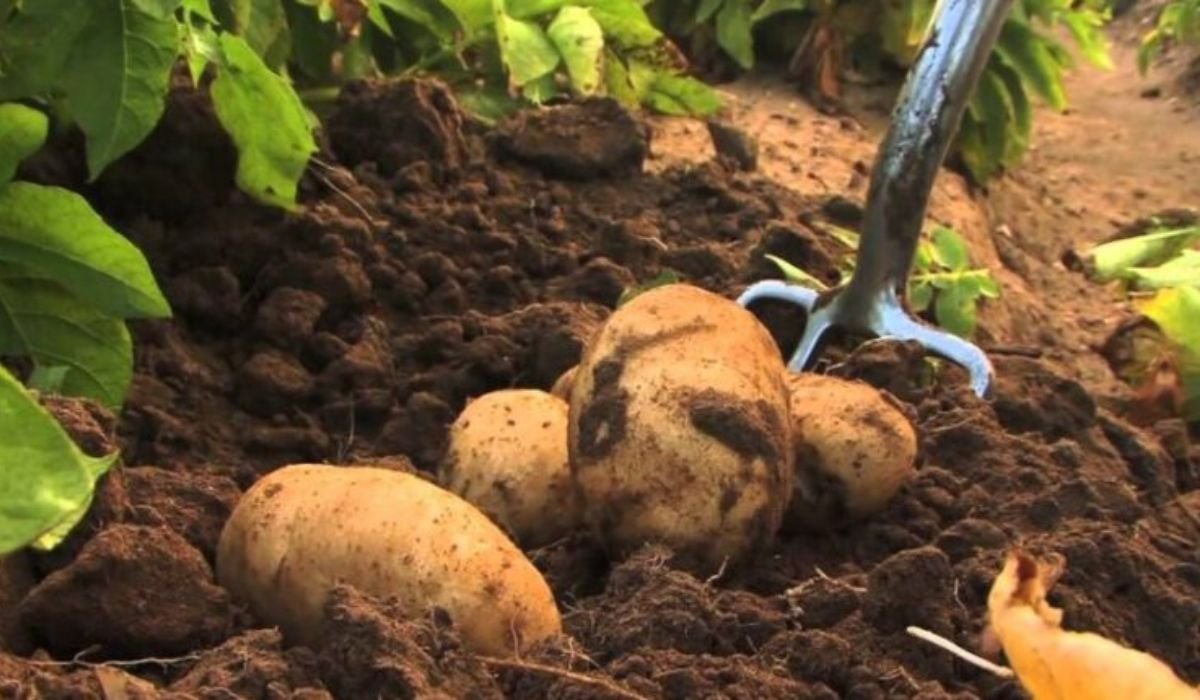
Potato is an important Rabi vegetable crop grown across several parts of India. In the plains, planting commonly takes place during October and November. A healthy crop starts with disease-free seed tubers, suitable soil, timely planting and careful water management.
1. Choose healthy seed tubers
Farmers should begin with healthy, disease-free seed tubers because infected planting material can carry problems into the new crop. Tuber size, variety and physiological condition also affect crop establishment. Certified or reliable seed from a recognised source is preferable to tubers saved without proper disease checks.
Farmers should avoid planting tubers showing rot, severe bruising, unusual spots or other signs of disease. The Central Potato Research Institute and state agricultural universities provide recommendations on varieties suited to different production regions. Local recommendations should guide variety selection rather than choosing seed only on market demand.
2. Prepare a well-drained field
Potato requires loose, friable and well-drained soil because developing tubers need space underground. Waterlogging can damage roots and tubers and increase disease risk. Farmers should prepare the field so excess water can drain quickly, especially in areas receiving heavy rainfall or using irrigation.
TNAU recommends well-drained soil for potato cultivation and notes that the crop prefers cool weather. Farmers should break large soil clods during preparation and create suitable ridges or beds. Good soil preparation can also make earthing up and later intercultural operations easier.
3. Plant at the right time
Timely planting helps farmers take advantage of suitable temperatures during tuber development. In the plains, potato is generally planted during October and November, although the exact window varies by region, variety and local weather. Farmers should follow their state agriculture department’s recommended planting calendar.
Planting too early or too late can expose the crop to unsuitable temperatures and affect establishment. Farmers should consider soil moisture before planting and avoid working very wet fields. Local weather advisories can help farmers decide whether field conditions are suitable for planting.
4. Manage seed tubers properly
Seed tubers need careful handling before planting. Large tubers may be cut into pieces where recommended, but cut surfaces need time to heal before they are planted. Proper handling reduces the risk of pathogens entering damaged tissue and helps produce healthier planting material.
ICAR’s Rabi advisory recommends appropriate seed preparation and planting practices for potato, including suitable spacing and mechanised planters where tractor power is available. Farmers should follow locally recommended seed treatment procedures rather than applying chemicals or growth regulators without expert advice.
5. Maintain suitable plant spacing
Correct spacing helps provide enough room for plants and developing tubers while allowing farmers to carry out intercultural operations. Planting too closely can increase competition, while excessive spacing can reduce plant population. Farmers should follow the recommended spacing for their variety, soil and production system.
ICAR’s Rabi advisory gives examples of mechanised potato planting at row and tuber spacings suited to different production systems. Farmers using planters should calibrate the machine before field operation so seed placement remains reasonably uniform across the plot.
6. Manage irrigation and weeds carefully
Potato responds well to adequate moisture, but excessive irrigation can create problems. Farmers should irrigate according to soil condition, crop stage and local weather instead of following a fixed schedule. Light and timely irrigation can help maintain moisture during important growth stages without keeping the field saturated.
Weed management is also important during early crop growth because weeds compete for water, nutrients and sunlight. ICAR recommends maintaining the crop weed-free during the initial period. Earthing up can also help cover developing tubers and support proper tuber formation.
7. Watch for diseases early
Farmers should regularly inspect potato fields for symptoms of late blight, early blight, black scurf, bacterial diseases and other problems. Disease-free seed is one of the most important preventive measures. Good drainage, crop rotation and field sanitation can also reduce disease pressure under suitable local conditions.
TNAU recommends selecting healthy seed tubers and maintaining appropriate crop practices to reduce major potato diseases. Farmers should not spray pesticides simply because a disease is reported elsewhere. They should identify the problem correctly and follow recommendations from agricultural experts before using any plant-protection product.
Keep tubers covered during growth
Potato tubers developing close to the soil surface can turn green when exposed to light. Earthing up helps cover the developing tubers and can also support the plant during growth. Farmers should carry out earthing up at the recommended crop stage without damaging roots or developing tubers.
The operation can be combined with weed management where suitable. ICAR’s Rabi advisory recommends earthing up after planting as part of potato crop management. Farmers using machinery should ensure the operation does not injure plants or disturb tubers developing near the ridge.
Harvest timing affects tuber quality and storage life. Farmers should avoid unnecessary bruising during digging and handling because damaged tubers are more vulnerable to rot. TNAU recommends harvesting after vines have completely died for better skin maturity and reducing injuries during harvesting and handling.
After harvesting, farmers should sort damaged, diseased and unsuitable tubers from healthy produce. Storage conditions should be clean and appropriate for the intended duration. Farmers selling quickly after harvest may follow different handling practices from those storing potatoes for later markets.
Check local advisories before planting
Potato management varies considerably across India’s production regions. Farmers should check recommendations from their state agriculture department, Krishi Vigyan Kendra or agricultural university before planting. Variety, planting date, seed rate, spacing, irrigation and disease-management recommendations should be adapted to local conditions.
Farmers should also monitor weather forecasts during the crop season. Sudden rainfall, temperature changes and disease-favourable conditions can alter management decisions. Combining local crop recommendations with weather information can help farmers respond more quickly when field conditions change.
A healthy potato crop begins before the tubers enter the soil. Farmers can improve establishment by selecting healthy seed, preparing well-drained fields, planting at the right time, maintaining suitable spacing, managing moisture and weeds, and monitoring diseases. Local agricultural recommendations should guide decisions on varieties and crop-protection measures.
Also Read: Punarnava Jal – The world’s first organic fertilizer! Know how it is beneficial for farmers?
Contact us – If farmers want to share any valuable information or experiences related to farming, they can connect with us via phone or whatsapp at 9599273766 or you can write to us at “kisanofindia.mail@gmail.com”. Through Kisan of India, we will convey your message to the people, because we believe that if the farmers are advanced then the country is happy.
You can connect with Kisan of India on Facebook, Twitter, and Whatsapp and Subscribe to our YouTube channel.