


Green Manure in Natural Farming: 7 Ways Farmers Can Improve Soil Before the Next Crop

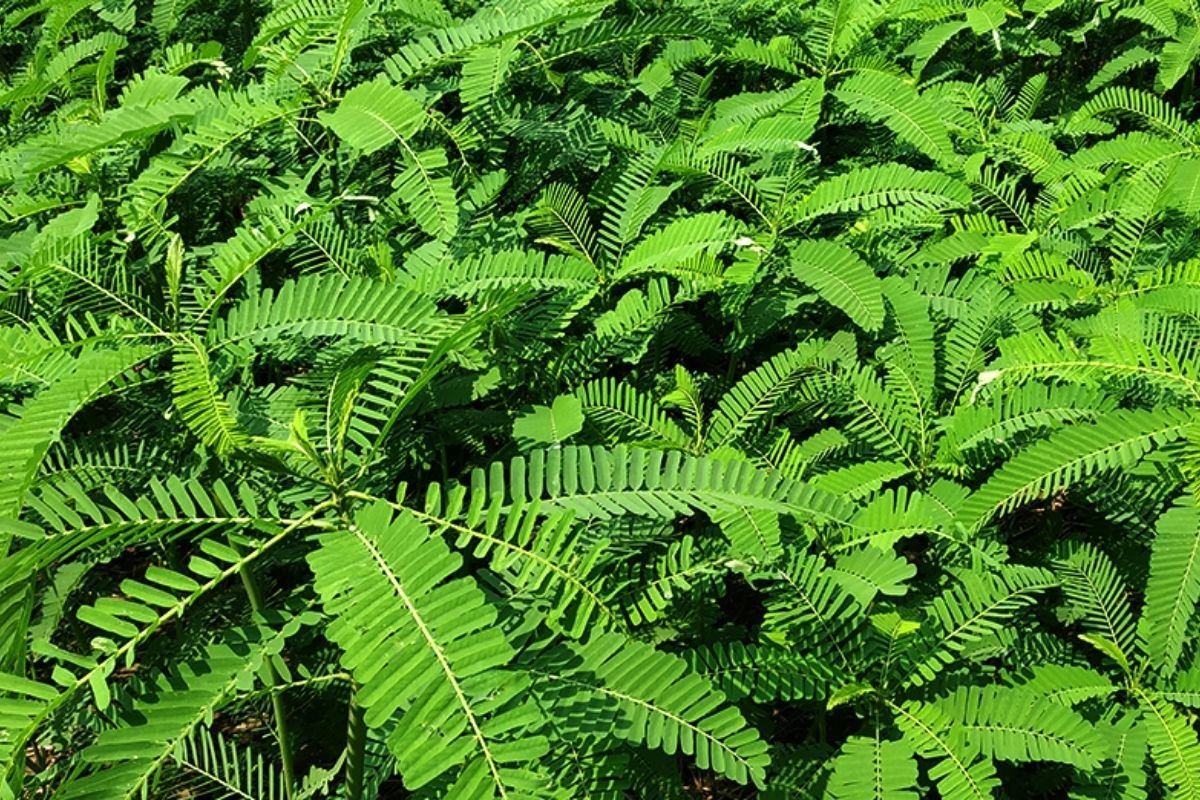
Green manure is a simple way to grow a crop mainly for improving the soil rather than harvesting it for sale. Crops such as dhaincha and sunhemp can be grown and incorporated into the soil while still green. ICAR describes green manuring as an important practice for improving soil fertility and organic matter.
What is green manure?
Green manure crops are usually fast-growing plants that are incorporated into the soil before flowering or at another recommended stage. Leguminous crops can also contribute nitrogen through biological nitrogen fixation when they form suitable associations with soil microorganisms.
Dhaincha, sunhemp and other green manure crops are commonly used in Indian agriculture. Farmers should choose according to their soil, rainfall, available growing period and main crop. Local agriculture departments and Krishi Vigyan Kendras can recommend suitable species and sowing windows.
1. Add organic matter to the soil
When green manure plants are incorporated into the field, their biomass decomposes and adds organic material to the soil. This can improve soil structure and support biological activity. The benefit depends on the amount of biomass produced and how well the crop is incorporated.
Farmers should not expect green manure to replace every fertiliser requirement immediately. Its value is mainly in improving soil condition and contributing nutrients as plant material decomposes. Soil testing can help farmers understand existing nutrient levels before changing their fertiliser programme.
2. Use legume crops to add nitrogen
Leguminous green manure crops can work with specific soil bacteria to fix atmospheric nitrogen. Dhaincha, sunhemp and other suitable legumes are therefore used in farming systems where farmers want to improve soil nitrogen availability while adding plant biomass.
The amount of nitrogen contributed depends on crop growth, biomass production, soil conditions and successful biological fixation. Farmers should avoid assuming that every green manure crop provides the same benefit. Recommended varieties and locally suitable management practices should be followed for better results.
3. Improve soil structure
Repeated cultivation, intensive tillage and low organic matter can affect soil structure. Adding plant biomass through green manuring can contribute organic material that supports aggregation and improves the physical condition of the soil over time.
Better soil structure can influence water movement, aeration and root growth. The effect is not immediate in every field, especially where soil degradation is severe. Farmers should treat green manure as part of a longer-term soil management plan rather than a one-season solution.
4. Support soil microorganisms
Green plant residues provide organic material that soil organisms can break down. This decomposition supports biological activity and contributes to nutrient cycling. Healthy soil microbial communities can help transform nutrients into forms that plants can use during subsequent crop growth.
Farmers should allow enough time for incorporated biomass to decompose before establishing the next crop. The appropriate interval depends on the green manure crop, soil moisture, temperature and the following crop’s planting schedule.
5. Reduce dependence on purchased inputs
Green manure can contribute nutrients and organic matter, which may help farmers manage input requirements over time. But the reduction in fertiliser use should be based on soil testing and crop needs rather than a fixed assumption that green manure can replace all external nutrients.
Farmers should compare soil-test results across seasons to understand whether soil organic matter and nutrient levels are changing. Combining green manure with crop residues, balanced fertilisation and other soil-management practices can provide a more complete approach.
6. Protect the soil between crops
Fast-growing green manure crops can provide ground cover during periods when fields might otherwise remain exposed. Vegetative cover can reduce the direct impact of rain on bare soil and help limit erosion under suitable conditions.
The practice can be particularly useful where there is enough moisture and a suitable gap between two main crops. Farmers should calculate the crop’s water requirement before sowing it, especially in rainfed areas where moisture is already limited.
7. Choose the crop according to local conditions
There is no single green manure crop that works equally well across India. Dhaincha may suit some conditions, while sunhemp or another species may be more appropriate elsewhere. Farmers should consider soil type, rainfall, temperature, available irrigation and the time available before the main crop.
The choice should also fit the farming system. A green manure crop that takes too long to mature can delay the main crop. Farmers should therefore check the recommended duration and incorporation stage before sowing large areas.
How to incorporate green manure
Green manure is generally incorporated while the plants are still young and succulent, because the material decomposes more readily at this stage. Farmers can use suitable tillage equipment based on field size and soil condition.
The crop should be incorporated at the locally recommended stage and followed by adequate soil moisture where possible. Farmers should avoid leaving large amounts of undecomposed material immediately before sowing a crop if it could interfere with seed placement or early crop growth.
Green manure is not only for organic farms
Green manuring can be used in conventional, organic and natural farming systems. Its role is broader than replacing synthetic fertilisers. It can contribute organic matter, support nutrient cycling and improve the physical condition of soil when included as part of a wider crop-management plan.
Farmers transitioning towards organic or natural farming can consider green manure alongside crop residues, composting, crop rotation and biological inputs. The choice should be based on local resources and soil conditions rather than following a fixed package for every farm.
Before planting a green manure crop, farmers should consider the sowing date of the following main crop. The green manure must have enough time to grow and be incorporated without delaying the next crop.
Farmers should also consider water availability. In areas facing moisture shortages, growing an additional crop solely for soil improvement may require careful planning. A locally recommended short-duration green manure crop can reduce competition with the main crop for land and water.
Green manure can help farmers build soil organic matter, support biological activity and improve soil structure while contributing nutrients through suitable legume crops. Dhaincha and sunhemp are among the options used in India, but the right choice depends on local conditions. Farmers should plan green manuring around the next crop.
Also Read: Punarnava Jal – The world’s first organic fertilizer! Know how it is beneficial for farmers?
Contact us – If farmers want to share any valuable information or experiences related to farming, they can connect with us via phone or whatsapp at 9599273766 or you can write to us at “kisanofindia.mail@gmail.com”. Through Kisan of India, we will convey your message to the people, because we believe that if the farmers are advanced then the country is happy.
You can connect with Kisan of India on Facebook, Twitter, and Whatsapp and Subscribe to our YouTube channel.