



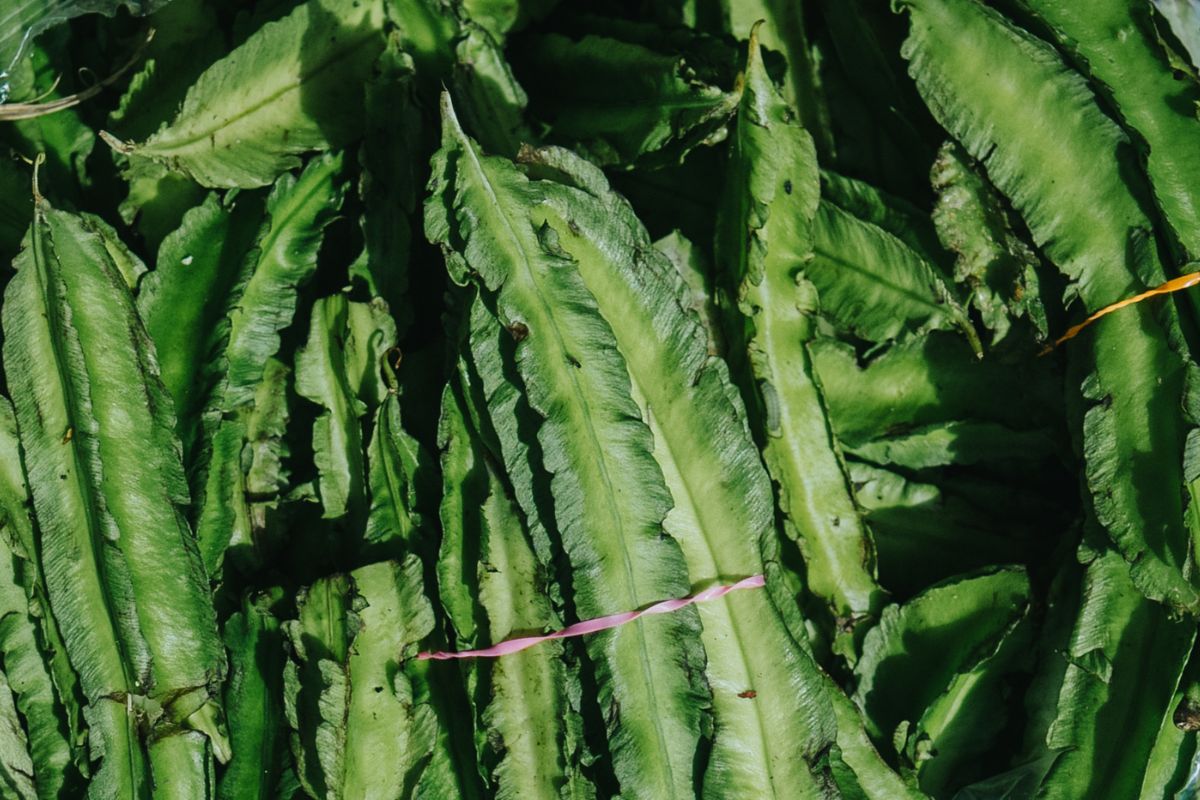
Farmers and researchers are increasingly searching for crops that can provide multiple benefits from a single field. Rising input costs, climate uncertainty, and growing demand for nutritious food are encouraging interest in lesser-known species that can strengthen farming systems. One crop attracting attention is the winged bean, a tropical legume that remains underutilised despite its remarkable versatility.
Unlike many crops that are valued for only one product, nearly every part of the winged bean plant can be used. Farmers can harvest pods, leaves, flowers, seeds, and even underground tubers. This flexibility makes it attractive for smallholders seeking to maximise productivity from limited land while reducing dependence on a single source of income.
Researchers believe the crop has significant potential because it combines food production, soil improvement, and climate resilience within one farming system.
Multiple Harvests Increase Farm Value
One of the strongest advantages of winged bean cultivation is the number of marketable products it produces. Young pods are consumed as vegetables, leaves can be used as greens, flowers are edible, seeds contain high protein levels, and tubers can also be utilised as food.
This diversity creates opportunities for farmers to generate income from different parts of the same crop throughout the growing season. Agricultural economists frequently note that diversified production systems tend to be more resilient because farmers are not dependent on a single harvest or market.
The crop’s versatility makes it particularly attractive for small and medium-scale producers seeking greater flexibility.
Natural Nitrogen Fixation Improves Soil Health
Like many legumes, winged bean forms a relationship with soil bacteria that allows it to fix atmospheric nitrogen. This process helps enrich soil fertility and can reduce the need for synthetic nitrogen fertilisers.
Researchers studying sustainable agriculture often highlight nitrogen-fixing crops because they contribute to long-term soil productivity while lowering input requirements. Farmers integrating winged bean into crop rotations may benefit not only from harvests but also from improved soil conditions for subsequent crops.
The ability to support soil health is becoming increasingly valuable as farmers seek ways to reduce cultivation costs.
Climate Resilience Supports Future Farming
Climate change is increasing interest in crops capable of performing under variable weather conditions. Winged bean is adapted to tropical environments and can tolerate periods of heat while producing substantial biomass and edible products.
Scientists are evaluating its potential role in climate-resilient farming systems because of its adaptability and efficient resource use. As rainfall patterns become less predictable in many regions, diversified crops with multiple uses are receiving greater attention from researchers and policymakers.
The crop’s resilience could make it a useful addition to future agricultural strategies.
Nutrition Is Driving Interest
Nutrition experts are paying closer attention to winged bean because it contains protein, vitamins, minerals, and dietary fibre. Different parts of the plant contribute to dietary diversity, making it valuable for communities seeking nutritious food sources.
Consumers are increasingly interested in alternative crops that provide both health benefits and environmental sustainability. This trend is creating opportunities for farmers willing to cultivate species that remain relatively uncommon in commercial markets.
Researchers believe greater awareness of the crop’s nutritional qualities could support future market growth.
Still Underutilised Despite Strong Potential
Despite its advantages, winged bean remains largely underdeveloped compared with major legumes such as soybean, pigeon pea, and chickpea. Limited seed availability, low consumer awareness, and insufficient commercial supply chains have slowed wider adoption.
Agricultural scientists argue that the crop deserves greater attention because it offers several characteristics needed in modern farming systems. Ongoing research is focused on improving varieties, cultivation practices, and market opportunities.
Many experts view winged bean as one of the most promising underutilised crops currently available to tropical agriculture.
A Crop With Multiple Solutions
The growing interest in winged bean reflects a broader shift in agriculture. Farmers are increasingly looking for crops that can address multiple challenges simultaneously rather than focusing only on yield.
By providing food, improving soil fertility, supporting climate resilience, and creating diverse market opportunities, winged bean demonstrates the value of multifunctional crops. Its potential extends beyond production alone and contributes to wider goals related to sustainability and food security.
As agriculture adapts to changing environmental and economic conditions, crops like winged bean may become increasingly important.
For many farmers, the future may depend not only on growing more crops, but on growing crops capable of doing more.
Also Read: Punarnava Jal – The world’s first organic fertilizer! Know how it is beneficial for farmers?
Contact us – If farmers want to share any valuable information or experiences related to farming, they can connect with us via phone or whatsapp at 9599273766 or you can write to us at “kisanofindia.mail@gmail.com”. Through Kisan of India, we will convey your message to the people, because we believe that if the farmers are advanced then the country is happy.
You can connect with Kisan of India on Facebook, Twitter, and Whatsapp and Subscribe to our YouTube channel.