


Small Farmers Can Mechanise Weeding Too. Which Machines Can Replace Manual Weeding?

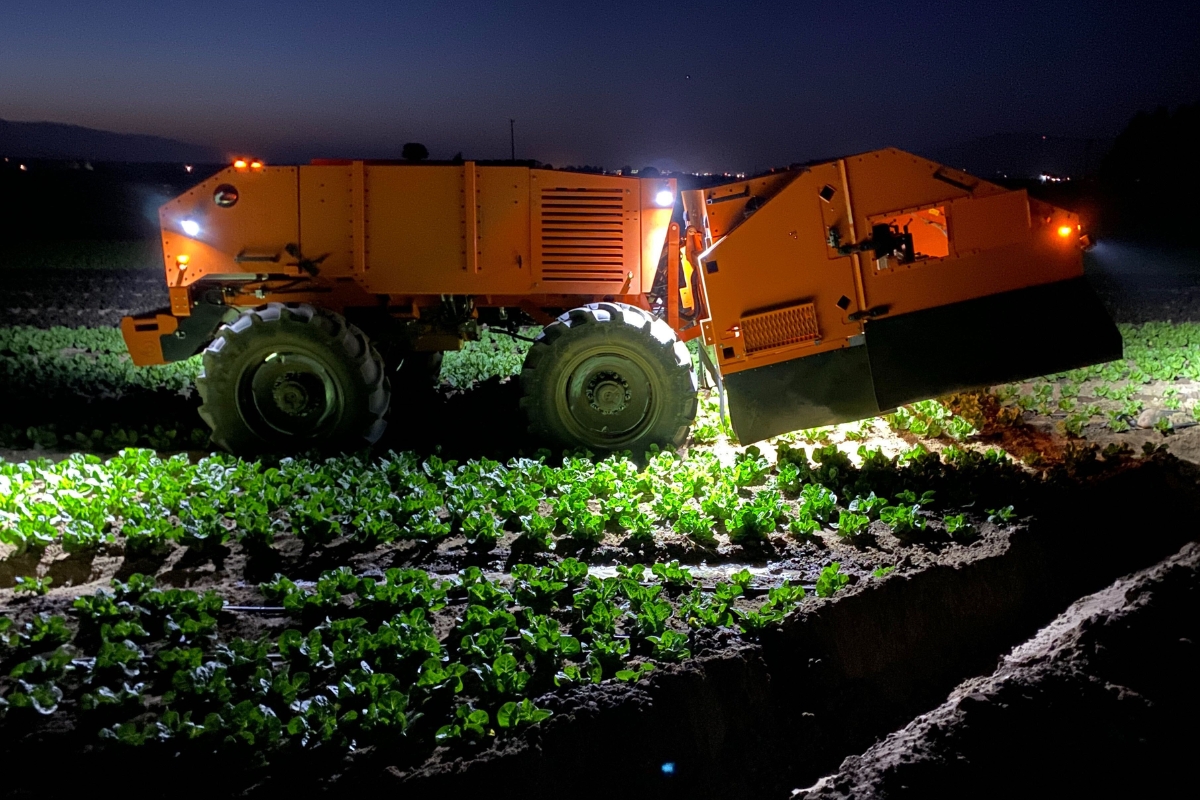
Weeding can take a large share of farm labour, especially when crops need repeated removal of weeds during early growth. Mechanical weeders offer farmers an alternative to manual work and can be useful where labour is costly or difficult to find.
Different machines suit different crops and field layouts. ICAR research has evaluated rotary weeders, power weeders and other equipment for crops including rice, vegetables, pulses and oilseeds. Farmers need to match the machine with crop spacing, soil and field conditions.
A mechanical weeder removes or suppresses weeds between crop rows using rotating blades, tines, wheels or other working parts. Some machines are pushed manually, while powered models use petrol or diesel engines.
The main benefit is faster field coverage compared with hand weeding. Machines can also reduce the physical workload for farmers and agricultural workers. Their usefulness depends on whether the crop rows are spaced enough for the equipment to pass without damaging plants.
Power weeders are available in different sizes. Small models can be suitable for vegetable plots and other compact farms, while larger machines can cover wider areas. Farmers should check the machine’s working width and power requirement before purchase.
Which crops can use mechanical weeders?
Mechanical weeders are used in several crops, but the machine must match the cultivation method. Inter-row weeders work where crops are planted in defined rows. They are commonly used in crops such as maize, cotton, vegetables, pulses and oilseeds.
Rice requires different equipment because the field may be wet and the crop can have a different planting arrangement. ICAR has developed and evaluated mechanical weeders for wetland rice and other crops under Indian field conditions. Vegetable farmers can also use small power weeders where rows provide enough operating space. The machine should be adjusted carefully because vegetable plants may be closer together and more easily damaged.
Labour savings depend on the machine, field size, crop spacing and weed density. A machine can cover several rows in one pass, while manual workers have to remove weeds individually around plants. ICAR studies have found that mechanical weeding can reduce weeding time compared with manual operations in specific crops. The exact saving varies, so farmers should compare local labour costs with the machine’s operating cost.
Farmers should also consider how many times weeding is required. A machine that is used several times each season can provide more value than equipment purchased for a single operation.
Power weeders use an engine to drive rotating blades or other tools. They can be useful on small and medium farms where tractor-mounted equipment is difficult to use. The machine can reduce physical effort because the engine provides power for soil disturbance and weed removal. Some models also support attachments for different operations, which can increase their usefulness beyond weeding.
Farmers should not choose a machine only on engine power. Working width, weight, fuel consumption, turning radius, spare-parts availability and operator requirements also affect whether a model is practical.
How much does a machine cost?
Prices vary widely according to engine size, working width, brand, attachments and design. Farmers should compare the full cost rather than looking only at the purchase price. Operating expenses include fuel, maintenance, lubrication, replacement blades and labour for operating the machine. Farmers should calculate the cost per acre and compare it with the cost of hiring workers for the same operation.
Can farmers rent machines instead?
Yes. Farmers who do not use a machine frequently can consider renting it through Custom Hiring Centres. These centres allow farmers to access agricultural machinery without purchasing each machine individually. The government has promoted Custom Hiring Centres as part of agricultural mechanisation programmes, particularly to improve machinery access for small and marginal farmers who may not be able to afford individual ownership.
A Custom Hiring Centre provides machinery to farmers for a fee. Instead of paying the full purchase cost, farmers pay for the period or operation in which they use the equipment. The model can make specialised machines more accessible. Before renting, farmers should ask about the hourly or acreage rate, transport charges, fuel responsibility, operator availability and damage or maintenance arrangements.
Farmers should first measure row spacing and identify the crop’s growth stage when mechanical weeding will be required. The machine should fit between rows without damaging crop roots or stems. They should also check soil conditions. Wet, hard or heavily compacted soil can affect machine performance. Demonstrating the machine in the farmer’s own field before purchase can reveal problems that may not appear during a showroom demonstration.
Does timing matter?
Yes. Mechanical weeding generally works best when weeds are still young and the crop can be clearly distinguished from unwanted plants. Delaying weeding can allow weeds to establish stronger roots and become harder to remove.cFarmers should follow crop-specific recommendations for the timing of mechanical weeding. Equipment should also be adjusted to the crop’s height and row spacing at the time of operation.
Some power weeders can accept different attachments, making them useful for more than one farm operation. But farmers should confirm that the machine and attachments are suitable for their crops before assuming it can replace several specialised machines.cA machine used across multiple crops can improve utilisation. Farmers can also consider sharing equipment with neighbouring farmers or using a Custom Hiring Centre when individual ownership would leave the machine unused for long periods.
Regular maintenance keeps agricultural machinery usable during the short periods when farmers need it most. Engines require routine servicing, while blades, tines and other working parts wear with use. Farmers should check whether spare parts and trained mechanics are available locally. A machine that cannot be repaired quickly during the weeding season can create delays and increase crop-management problems.
Is mechanised weeding suitable for every farm?
No. Small irregular fields, closely planted crops, steep land and rocky soils can make mechanical weeding difficult. Manual weeding may still be needed around plants or in areas the machine cannot reach. Farmers should therefore treat mechanisation as a way to reduce manual work rather than assuming it will remove all labour. Combining mechanical and manual weeding can sometimes be the more practical approach.
Farmers should compare the purchase price with annual usage, labour savings, fuel, maintenance and expected working life. The calculation should be based on actual acreage rather than the maximum area advertised by the manufacturer. If a farmer operates only a few acres, renting through a Custom Hiring Centre may cost less than ownership. If the machine will be used across several crops or farms, purchasing or sharing may become more practical.
Mechanical weeders can reduce the time and physical effort required for an important farm operation. Their value depends on crop spacing, field conditions, machine capacity, labour costs and how frequently the equipment is used.
For small farmers, renting through a Custom Hiring Centre can be a practical way to test machinery before purchasing. Farmers should compare the cost per acre, check local repair support and test the machine in their own field before making a decision.
Also Read: Punarnava Jal – The world’s first organic fertilizer! Know how it is beneficial for farmers?
Contact us – If farmers want to share any valuable information or experiences related to farming, they can connect with us via phone or whatsapp at 9599273766 or you can write to us at “kisanofindia.mail@gmail.com”. Through Kisan of India, we will convey your message to the people, because we believe that if the farmers are advanced then the country is happy.
You can connect with Kisan of India on Facebook, Twitter, and Whatsapp and Subscribe to our YouTube channel.