Agriculture and Farming Technology Updates

Why Drip Irrigation Is Becoming Popular in Farming Across the World

0

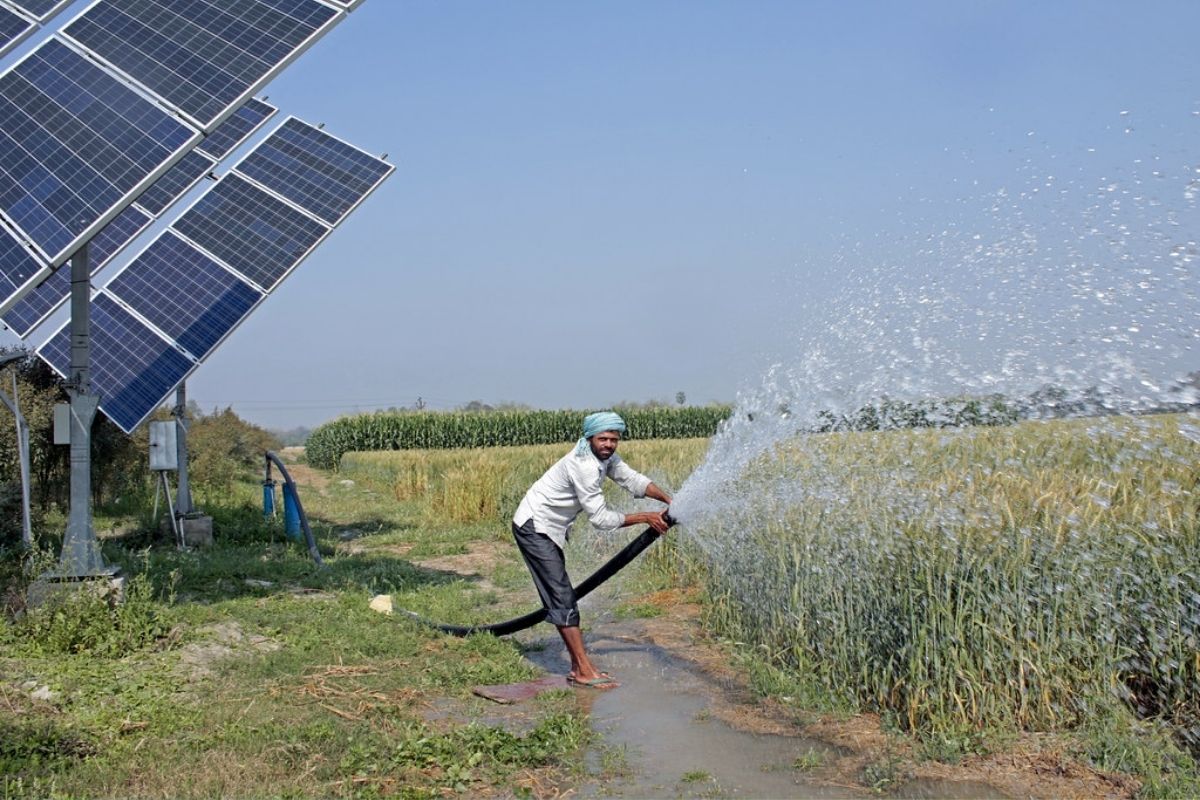
Water shortage has become one of the biggest challenges in agriculture across many countries. Farmers are facing delayed rainfall, falling groundwater levels, and longer dry periods during crop seasons. Traditional flood irrigation methods often waste large amounts of water. Agriculture experts say water management is now becoming necessary for long-term farming sustainability. Because of this, many farmers around the world are shifting toward drip irrigation systems.

Drip irrigation works by supplying water directly near plant roots through pipes and small outlets. Instead of flooding entire fields, water is delivered slowly and evenly to crops. Experts say this reduces water loss caused by evaporation and runoff. Farmers can also control how much water each crop receives depending on growth stage and weather conditions.

One major advantage of drip irrigation is water conservation. Farmers using drip systems often require much less water compared to traditional irrigation methods. Reduced pumping also lowers electricity and diesel expenses. Agriculture experts believe efficient irrigation systems may become more important because climate pressure is increasing in many farming regions.

Vegetable and Fruit Farmers Use Drip Systems Widely

Drip irrigation is especially useful for vegetable, fruit, and horticulture farming. Crops like tomatoes, cucumbers, grapes, bananas, and pomegranates respond well to controlled irrigation. Farmers say drip systems improve crop quality and reduce moisture-related diseases. Experts also say proper water management supports healthier plant growth and better productivity.

Farmers can apply fertilizers directly through drip irrigation systems using fertigation methods. Nutrients reach plant roots more effectively and reduce wastage. Agriculture experts say balanced nutrient application improves crop growth while lowering fertilizer expenses. Some farmers also combine drip systems with liquid organic fertilizers for sustainable farming practices.

Traditional flood irrigation wets the entire field, which often increases weed growth between crop rows. Drip irrigation supplies water only near crop roots, reducing moisture in unused field areas. Experts say this helps lower weed problems and reduces labour required for cleaning fields. Better moisture control also reduces some fungal disease risks.

Government Support Encourages Adoption

Many governments are supporting drip irrigation through subsidy programs and awareness campaigns. Agriculture departments encourage farmers to adopt micro-irrigation systems to improve water conservation. Some states also provide technical support and training related to drip installation and maintenance. Experts believe policy support is helping irrigation systems expand faster in agriculture.

Drip irrigation is becoming one of the most important water-saving technologies in agriculture. Farmers who use controlled irrigation systems often improve water management, crop productivity, and farming efficiency over time. Agriculture experts believe future farming success may depend heavily on irrigation methods that protect both crop production and natural water resources.

Also Read: Punarnava Jal – The world’s first organic fertilizer! Know how it is beneficial for farmers?

Contact us – If farmers want to share any valuable information or experiences related to farming, they can connect with us via phone or whatsapp at 9599273766 or you can write to us at “kisanofindia.mail@gmail.com”. Through Kisan of India, we will convey your message to the people, because we believe that if the farmers are advanced then the country is happy.

You can connect with Kisan of India on FacebookTwitter, and Whatsapp and Subscribe to our YouTube channel.

Leave a comment