


India’s Pulse Production Target Rises: What the New Focus on Tur, Urad and Masur Means for Farmers

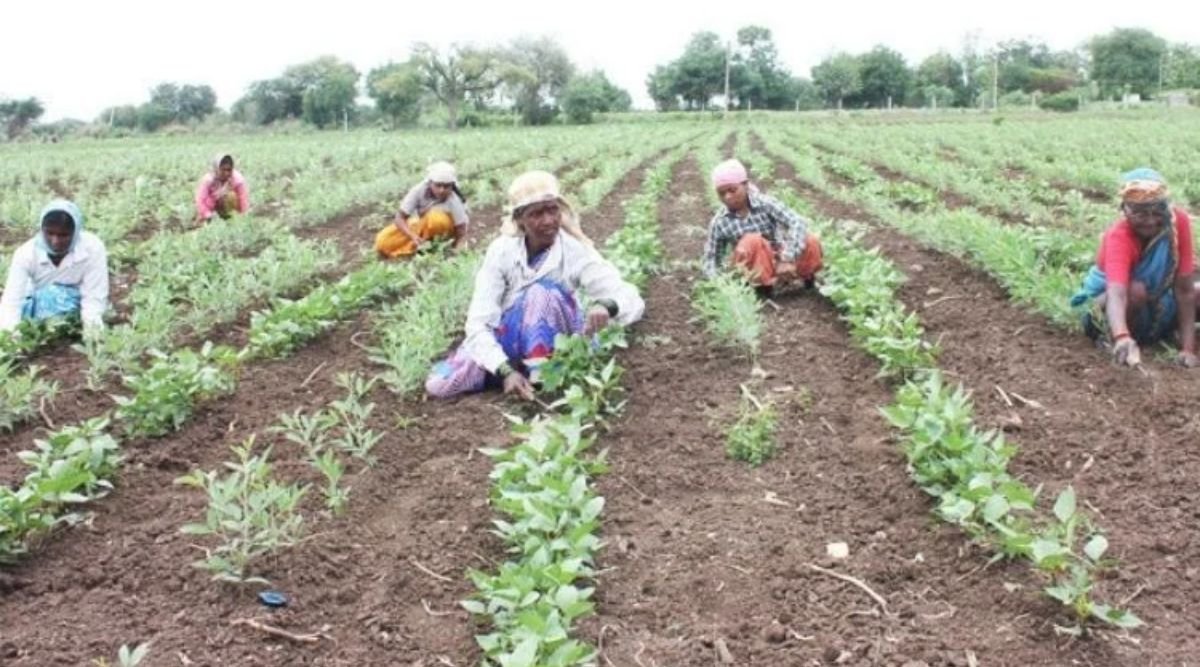
India is placing greater focus on pulse production as it seeks to reduce dependence on imports. The government’s Mission for Aatmanirbharta in Pulses targets 350 lakh tonnes of production by 2030-31, up from the present target base of 242 lakh tonnes. The programme covers seed, cultivation and procurement.
Why pulses are receiving attention
Pulse production has to rise alongside demand from Indian households. The government’s new mission aims to bring an additional 35 lakh hectares under pulses by 2030-31, including rice fallows and suitable non-traditional areas. This creates opportunities for farmers, but crop selection must match local soil and water conditions.
The programme has identified 489 districts for focused interventions. Support can include demonstrations, improved seed distribution and extension services. Farmers in these districts should check with agriculture departments and Krishi Vigyan Kendras about local activities rather than assuming every benefit will automatically reach every village.
Focus on three major pulses
Tur, Urad and Masur have received particular attention under the government’s procurement plans. The Centre has announced procurement of these three pulses at minimum support price through designated agencies, subject to procurement rules and quality requirements. This is intended to give farmers greater confidence when deciding what to grow.
For farmers, procurement assurance matters only when arrangements work locally. Before sowing, they should check registration requirements, approved varieties, procurement centres and quality specifications. Keeping land and crop records updated can also help when farmers need to register their produce for government procurement.
Better seeds are part of the plan
Seed availability remains one of the major factors affecting pulse productivity. Under the pulses mission, the government plans to distribute free seed kits and expand demonstrations of improved varieties. These measures are intended to help farmers access better planting material and learn suitable production practices.
Farmers should avoid selecting a pulse variety only because it promises high yields. Duration, disease resistance, rainfall, soil type and local temperature all affect performance. A variety recommended by an agricultural university or KVK for the district is generally a safer starting point than an unverified commercial claim.
More land does not automatically mean higher output
Increasing the area under pulses can raise total production, but productivity will remain important. Farmers need timely sowing, quality seed, suitable plant population, weed management and protection from major pests and diseases. Weather during flowering and pod formation can also affect final yields.
This is especially important as weather patterns become less predictable. Short dry spells, unseasonal rainfall and high temperatures can affect pulse crops at sensitive stages. Farmers can reduce some risks by choosing locally recommended varieties and following crop advisories issued during the growing season.
Processing could create local opportunities
The government mission also includes investment in pulse processing. Plans for processing units could create opportunities beyond cultivation by allowing farmer groups and local enterprises to clean, grade and process pulses closer to production areas.
For farmers, local processing can potentially improve market access and reduce dependence on selling raw produce immediately after harvest. Farmer Producer Organisations and cooperatives can explore such opportunities where sufficient production exists. Any investment should first be based on local supply, processing demand, storage needs and nearby markets.
What farmers should do before the next crop
Farmers planning Tur, Urad or Masur should first check the crop calendar and recommendations issued for their district. They should also compare expected returns with competing crops, considering seed costs, irrigation availability, labour requirements, pest risks and access to procurement or private markets.
The government’s pulse push can create opportunities, but farmers should not change their cropping pattern solely because procurement has been announced. Local implementation matters. Checking with the agriculture department, KVK or authorised procurement agency before sowing can help farmers understand what support is actually available.
India’s new pulse production push combines area expansion, improved seeds, demonstrations, procurement and processing. For farmers, Tur, Urad and Masur could receive stronger policy attention in coming seasons. The benefits will depend on timely local support, suitable varieties, reliable markets and careful crop planning at farm level.
Also Read: Punarnava Jal – The world’s first organic fertilizer! Know how it is beneficial for farmers?
Contact us – If farmers want to share any valuable information or experiences related to farming, they can connect with us via phone or whatsapp at 9599273766 or you can write to us at “kisanofindia.mail@gmail.com”. Through Kisan of India, we will convey your message to the people, because we believe that if the farmers are advanced then the country is happy.
You can connect with Kisan of India on Facebook, Twitter, and Whatsapp and Subscribe to our YouTube channel.