


Mission for Aatmanirbharta in Pulses: 7 Ways Farmers Can Benefit From the New Government Scheme

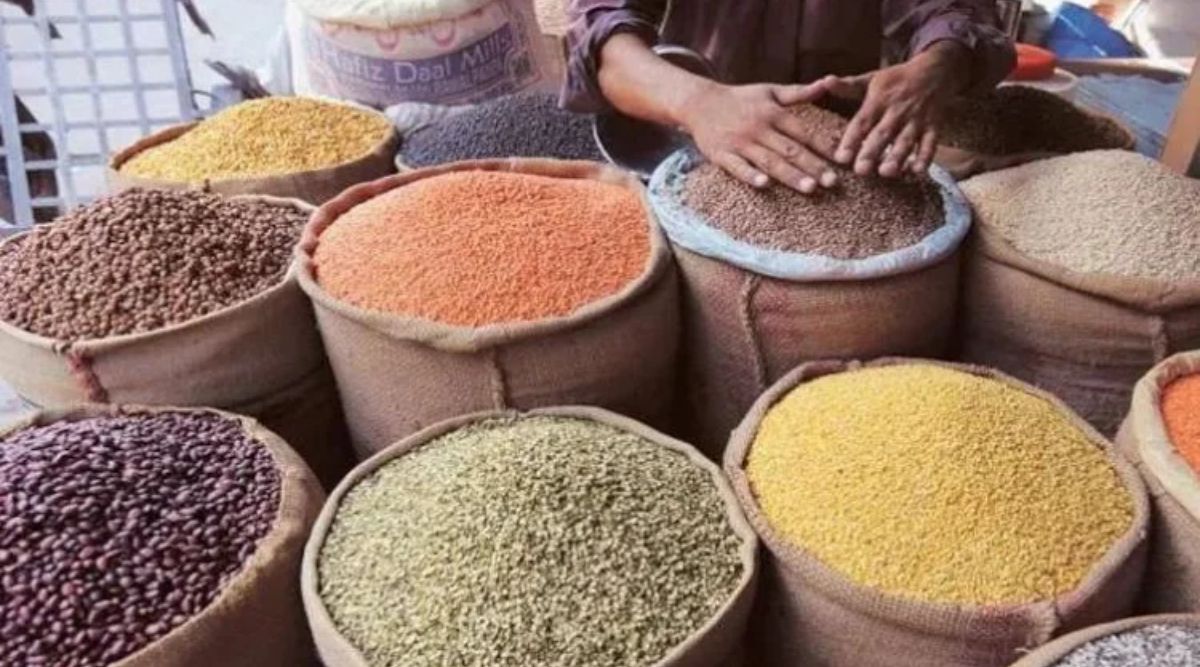
India is expanding support for pulse farmers through the Mission for Aatmanirbharta in Pulses. Approved for 2025-26 to 2030-31, the scheme has an outlay of Rs 11,440 crore and aims to raise domestic pulse production while improving access to seeds, processing facilities and assured procurement.
What is the pulses mission?
The mission aims to increase pulse production from 242 lakh tonnes to 350 lakh tonnes by 2030-31. It focuses on improving productivity, expanding cultivation in suitable areas and strengthening post-harvest systems. Farmers can benefit through seed distribution, demonstrations, procurement support and better access to processing facilities.
1. Get access to free quality seed kits
One major component is the distribution of free seed kits containing improved pulse varieties. The government has targeted 87.5 lakh seed kits during the six-year mission period. For Rabi 2025-26 alone, 10.36 lakh kits were allocated to states and Union Territories.
Farmers interested in these kits should contact their state agriculture department, Krishi Vigyan Kendra or local agriculture office to check availability. Distribution depends on annual action plans and identified areas. Farmers should also ask about recommended varieties suited to their local soil, rainfall and sowing conditions.
2. Expand pulses into suitable fallow land
The mission plans to expand pulse cultivation by 35 lakh hectares by 2030-31. This includes 24.5 lakh hectares in traditional pulse-growing areas and 10.5 lakh hectares in non-traditional areas. Rice fallows and other suitable areas are among the locations targeted for expansion.
Farmers should not shift crops simply because seed support is available. Soil type, available moisture, local markets and the suitability of the pulse crop must be considered first. Agriculture officers can help farmers identify crops that fit local conditions and existing cropping systems.
3. Benefit from improved varieties
Better varieties can help farmers address problems linked to low productivity, disease and changing weather. The mission supports the use of improved seeds and demonstrations so farmers can see recommended practices under local conditions before adopting them across larger areas.
Farmers should pay attention to demonstrations conducted in their districts rather than selecting varieties only from advertisements or informal advice. Choosing a variety suited to the local season can improve crop establishment and reduce the risk of investing in seed that performs poorly under local conditions.
4. Get support through focused districts
The government has identified 489 districts as focus districts under the pulses mission. These areas are expected to receive targeted interventions based on local requirements. The focus can help concentrate seed distribution, demonstrations, extension support and other activities where pulse production has greater potential.
Farmers should check whether their district is included in the current focus list and ask the local agriculture office about available activities. Support can differ between states and districts, so farmers should confirm the current year’s targets before purchasing inputs or changing their crop plan.
5. Benefit from post-harvest processing
The mission also addresses what happens after harvesting. A total of 1,000 pulse processing units are planned during the mission period, with an initial target of 528 units allocated to states and Union Territories. Better processing capacity can help reduce post-harvest losses and improve local value addition.
For farmers, processing facilities can become useful when selling cleaned, graded or processed pulses instead of unprocessed produce. Farmer groups, cooperatives and local enterprises can explore these opportunities where facilities become available, especially in areas producing larger quantities of pulses.
6. Get stronger procurement support
The mission links pulse production with procurement support. The government has announced 100% procurement of Tur, Urad and Masur from farmers during the next four years under the mission, subject to the applicable procurement arrangements and quality requirements.
Farmers should keep records of sowing, seed purchase and land details where required under local procurement rules. They should also register with the designated procurement agency when registration opens. Understanding quality standards, procurement centres and registration deadlines can help farmers avoid problems during harvest.
7. Use pulses for climate-resilient diversification
Pulses can play a role in diversified farming because they can fit into rotations with cereals and other crops. The government’s expansion plan includes non-traditional areas and fallow land, creating opportunities to diversify where soil, rainfall and markets permit. Farmers should choose crops according to local conditions.
Diversification should be planned rather than treated as a guaranteed income strategy. Farmers should compare expected returns, water availability, seed costs, pest risks and nearby markets before changing their crop plan. Local agricultural universities and Krishi Vigyan Kendras can provide crop-specific recommendations for suitable pulse varieties.
How farmers can check eligibility and support
The Mission for Aatmanirbharta in Pulses is implemented through state and district-level agricultural systems. Farmers should contact their agriculture department, KVK or designated local officials to check whether their area is covered by seed distribution, demonstrations, procurement or processing initiatives.
The mission is part of a broader government effort to reduce India’s dependence on imported pulses. For farmers, its practical value will depend on timely access to quality seed, extension services, markets and procurement. Checking local provisions before sowing is therefore more useful than relying on the scheme name alone.
The pulses mission offers support at several stages, from seed and crop demonstrations to procurement and processing. Farmers growing Tur, Urad, Masur and other pulses should check local programmes before the season begins. Proper crop selection and timely registration can help them make better use of available government support.
Also Read: Punarnava Jal – The world’s first organic fertilizer! Know how it is beneficial for farmers?
Contact us – If farmers want to share any valuable information or experiences related to farming, they can connect with us via phone or whatsapp at 9599273766 or you can write to us at “kisanofindia.mail@gmail.com”. Through Kisan of India, we will convey your message to the people, because we believe that if the farmers are advanced then the country is happy.
You can connect with Kisan of India on Facebook, Twitter, and Whatsapp and Subscribe to our YouTube channel.